Have you been thinking about making the switch to solar power? Perhaps you’ve noticed your energy bills creeping up and wondered if there’s a better way? Or maybe you’re keen to reduce your carbon footprint and do your bit for the environment? Whatever your motivation, you’re not alone. Thousands of Australians are embracing solar energy every year, and it’s easy to see why.
But here’s the thing—installing solar panels isn’t quite as simple as popping them on your roof and plugging them in. It’s a complex process that requires technical knowledge, safety awareness, and a solid understanding of local regulations. This is where professional solar installers come into play. They’re the experts who make sure your system works efficiently, safely, and legally.
In this article, we’ll explore exactly what professional installers do, why DIY isn’t the smart choice, and how to pick the right team for your project. We’ll also look at costs, ongoing support, and answer some common questions you might have. By the end, you’ll have a clear picture of why investing in professional installation is absolutely worth it.
What Does a Professional Solar Installer Actually Do?
Site Assessment and System Design
Before any panels go up, a professional installer visits your property to assess the site. They’ll evaluate your roof’s condition, check its orientation, and measure how much sunlight it receives throughout the day. This isn’t just a quick glance—it’s a thorough analysis that determines the best system design for your specific needs.
They’ll also look at your energy consumption patterns. How much electricity do you use? When do you use the most? This information helps them recommend the right system size, so you’re not overpaying for capacity you don’t need or underpowering your home.
Navigating Permits and Regulations
Australia has strict regulations around solar installations, and these vary between states and territories. Professional installers handle all the paperwork, from council permits to grid connection applications. They know the rules inside out, which means fewer headaches for you and no risk of falling foul of local requirements.
Quality Installation and Safety Standards
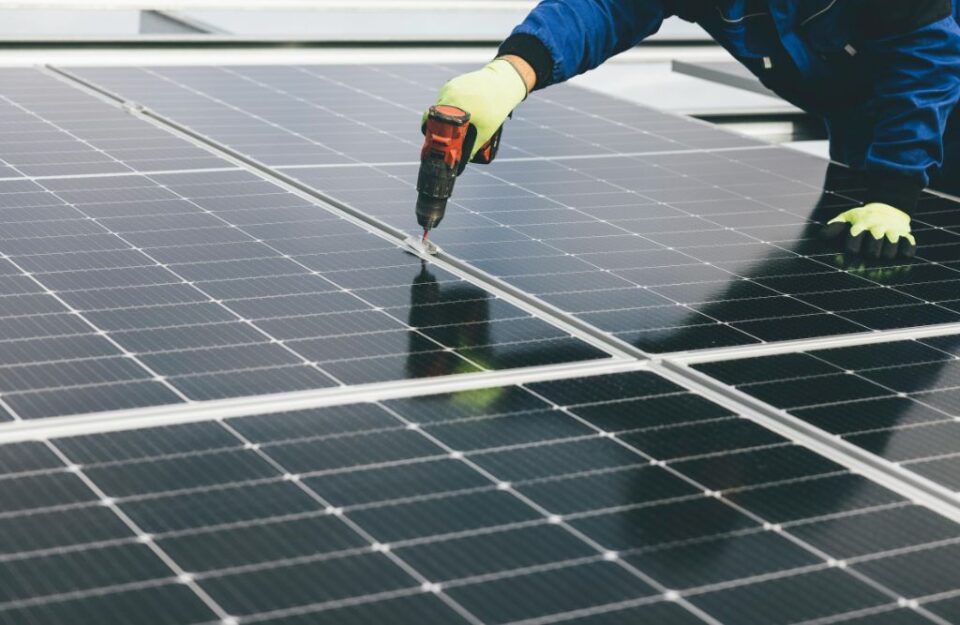
The actual installation involves working with electrical systems and being up on your roof—both of which carry significant risks. Accredited installers follow strict safety protocols and nsure every component is fitted correctly. They’ll also test the entire system before signing off, giving you peace of mind that everything works as it should.
The Real Risks of DIY Solar Installation
Electrical Hazards and Safety Concerns
Let’s be honest—working with electricity is dangerous. One wrong move can result in serious injury or even death. Solar systems involve high-voltage DC power, and without proper training, you’re putting yourself at genuine risk. Professional installers are trained to handle these hazards safely.
Plus, there’s the matter of working at height. Falls from roofs are one of the most common causes of injury in Australia. Is saving a few dollars really worth the risk?
Voided Warranties and Insurance Issues
Here’s something many DIY enthusiasts don’t realise: installing panels yourself can void manufacturer warranties. If something goes wrong down the track, you might find yourself paying out of pocket for repairs or replacements. What’s more, your home insurance might not cover damage caused by an unqualified installation.
Costly Mistakes That Add Up
DIY installations often lead to performance issues. Panels might be positioned incorrectly, wiring could be faulty, or the system might not be optimised for your energy needs. These mistakes don’t just affect efficiency—they cost you money in lost savings and potential repairs.
How Do I Choose the Right Solar Installer?
Checking Accreditations and Certifications
In Australia, look for installers who are Clean Energy Council (CEC) accredited. This certification confirms they’ve met rigorous training standards and follow industry best practices. It’s also a requirement for accessing government rebates, so it’s non-negotiable if you want to maximise your savings.
Reading Reviews and Asking for References
Don’t just take an installer’s word for it—check out what previous customers have to say. Online reviews on platforms like Google and Facebook can give you valuable insights. Better yet, ask for references and speak directly to past clients about their experience.
Comparing Quotes: What to Look For
When comparing quotes, don’t simply go for the cheapest option. Look at what’s included: panel quality, inverter type, warranty terms, and after-sales support. A slightly higher upfront cost often translates to better long-term value.
Are Solar Installers Worth the Cost?
Long-Term Savings vs Upfront Investment
Yes, professional installation costs more initially. But consider this: a properly installed system will operate at peak efficiency for 25 years or more. That’s decades of reduced electricity bills and potential feed-in tariff earnings. The upfront investment pays for itself many times over.
Government Rebates and Incentives You Might Miss
Australia offers generous Small-scale Technology Certificates (STCs) that significantly reduce installation costs. However, you’ll only qualify if your system is installed by a CEC-accredited professional. Skipping this step means missing out on thousands of dollars in rebates.
The True Cost of Poor Installation
A botched installation might seem cheaper upfront, but the long-term costs can be substantial. Poor performance, frequent repairs, and safety issues all add up. In many cases, homeowners end up paying more to fix DIY installations than they would have spent on professional work in the first place.
What Questions Should I Ask a Solar Installer Before Hiring?
Before signing anything, make sure you’re comfortable with your chosen installer. Ask about their CEC accreditation and how long they’ve been in business. Find out what brands they recommend and why. Query their warranty terms and what happens if something goes wrong. Don’t forget to ask about their timeline and what the installation process involves. A reputable installer will welcome these questions and provide clear, honest answers.
How Long Does Professional Solar Installation Take?
Most residential installations take just one to two days once all permits are approved. The permit process itself typically takes a few weeks, depending on your local council. Your installer should give you a clear timeline upfront, including when you can expect your system to be connected to the grid and fully operational.
What Happens After Installation? Ongoing Support and Maintenance
Warranty Protection and Guarantees
Professional installers provide comprehensive warranties covering both products and workmanship. This protection typically lasts between 5 and 25 years, depending on the component. If anything fails during this period, you’re covered.
System Monitoring and Performance Checks
Many modern systems come with monitoring apps that let you track performance in real-time. Your installer should show you how to use these tools and explain what to look out for. Some companies also offer regular performance checks as part of their service.
When to Call Your Installer Back
If you notice a sudden drop in performance, unusual sounds, or physical damage to panels, contact your installer straight away. Early intervention prevents small issues from becoming expensive problems.
Can Solar Panels Be Installed on Any Roof?
Roof Types and Structural Considerations
Solar panels work on most roof types, including tile, metal, and flat roofs. However, the condition of your roof matters. If it needs repairs or replacement soon, it’s best to address that before installation. Your installer will assess structural integrity during the site visit.
Shading, Orientation, and Panel Placement
North-facing roofs typically perform best in Australia, but east and west orientations can work well too. Shading from trees or neighbouring buildings can significantly impact performance, so your installer will carefully plan panel placement to maximise sunlight exposure.
Professional Installers vs Solar Retailers: What’s the Difference?
Solar retailers sell systems but may use subcontractors for installation. Professional installers, on the other hand, often handle everything in-house—from sales to installation to after-care. This integrated approach typically means better quality control, clearer communication, and more accountability if issues arise.
Making the Smart Choice for Your Energy Future
When it comes to solar installation, cutting corners simply isn’t worth it. Professional installers bring expertise, safety knowledge, and regulatory understanding that DIY approaches can’t match. They make sure your system performs optimally, complies with all requirements, and qualifies for valuable government incentives.
Choosing the right solar installer takes a bit of research, but it’s time well spent. Look for CEC accreditation, read reviews, compare quotes thoroughly, and don’t be afraid to ask questions. A good installer will be transparent about costs, timelines, and what you can expect.
Your solar investment is a long-term commitment—one that should deliver reliable savings for decades. By trusting professional installers, you’re not just buying a product; you’re investing in peace of mind. So, take the smart approach, do your homework, and partner with experts who’ll get the job done right. Your future self (and your electricity bills) will thank you for it.