
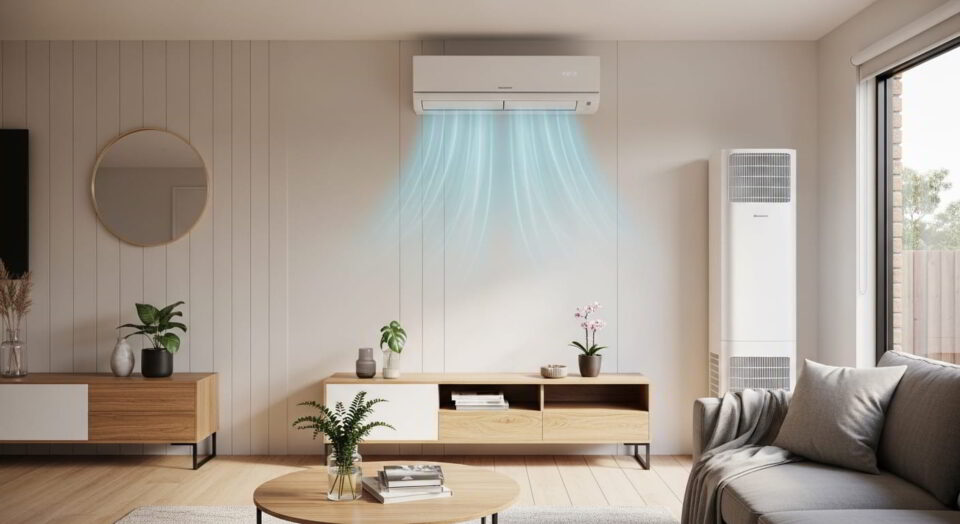
When temperatures start climbing, few inventions feel as valuable as air conditioning. Whether you’re relaxing at home, working in an office, or shopping at a mall, air conditioning systems play a crucial role in maintaining a comfortable indoor environment. Despite being a common feature in modern buildings, many people don’t fully understand how these systems actually work.
Air conditioning is much more than simply blowing cold air into a room. It is a carefully engineered process that removes heat and humidity from indoor spaces, creating a cooler and healthier atmosphere. Understanding how air conditioning works can help homeowners make informed decisions about maintenance, energy efficiency, and system upgrades.
The Basic Principle Behind Air Conditioning
At its core, air conditioning operates on a simple scientific principle: heat transfer. Instead of generating cold air, an air conditioning system removes heat from inside your home and releases it outdoors.
The process relies on a specialized chemical called refrigerant, which circulates through the system and absorbs heat from indoor air. As the refrigerant moves through different components, it changes between liquid and gas states, allowing it to efficiently carry heat away from your living spaces.
This continuous cycle keeps indoor temperatures comfortable even during the hottest days of the year.
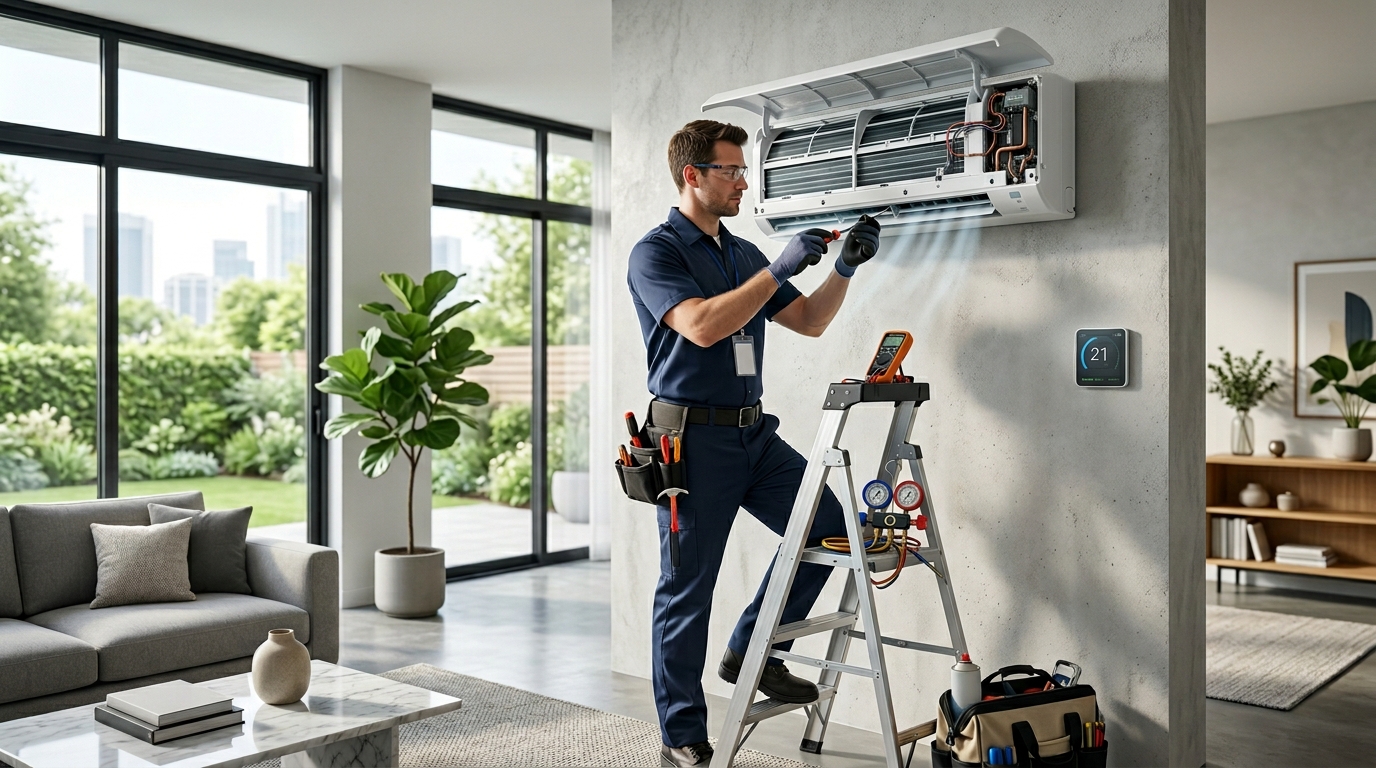
The Main Components of an Air Conditioning System
To understand how air conditioning functions, it’s important to know the key parts involved in the cooling process.
1. Thermostat
The thermostat acts as the control center of the system. It monitors indoor temperatures and signals the air conditioning unit to start or stop cooling based on the temperature settings chosen by the user.
2. Evaporator Coil
Located inside the home, the evaporator coil contains cold refrigerant. As warm indoor air passes over the coil, the refrigerant absorbs heat from the air, causing the air to cool before being circulated throughout the building.
3. Compressor
The compressor is often considered the heart of the air conditioning system. Located in the outdoor unit, it pressurizes the refrigerant and keeps it moving through the cooling cycle.
4. Condenser Coil
The condenser coil releases the heat collected from inside the building. As refrigerant passes through the condenser, the absorbed heat is expelled outdoors.
5. Fan System
Fans help move air across the coils and distribute conditioned air throughout the home. Without proper airflow, the cooling process would be ineffective.
Step-by-Step: How Air Conditioning Cools Your Home
The cooling process may seem complex, but it follows a consistent cycle.
Step 1: Warm Air Is Pulled In
The system draws warm indoor air through return vents. This air passes through filters that remove dust, allergens, and other airborne particles.
Step 2: Heat Is Absorbed
The warm air flows across the evaporator coil. The refrigerant inside the coil absorbs heat from the air, causing the air temperature to drop significantly.
Step 3: Cool Air Is Distributed
Once cooled, the air is pushed through ductwork and delivered back into living spaces through supply vents.
Step 4: Refrigerant Carries Heat Outside
After absorbing indoor heat, the refrigerant travels to the outdoor compressor and condenser unit.
Step 5: Heat Is Released
The condenser coil releases the collected heat into the outdoor environment. The refrigerant then cools down and returns to the evaporator coil to repeat the process.
This cycle continues until the desired indoor temperature is reached.
The Role of Refrigerant in Air Conditioning
Refrigerant is one of the most important elements of any air conditioning system. It is specially designed to absorb and release heat efficiently through repeated state changes.
As refrigerant moves through the system:
- It absorbs heat as a low-pressure liquid.
- It transforms into a gas when heated.
- It becomes compressed and highly pressurized.
- It releases heat outdoors.
- It returns to a liquid state and repeats the cycle.
Modern air conditioning systems use environmentally friendlier refrigerants compared to older systems, helping reduce environmental impact while improving efficiency.
How Air Conditioning Controls Humidity
One often-overlooked benefit of air conditioning is humidity control. High humidity levels can make indoor spaces feel hotter and less comfortable, even when temperatures are moderate.
As warm air passes over the cold evaporator coil, moisture in the air condenses into water droplets. This moisture is collected and drained away from the system.
By reducing humidity levels, air conditioning helps create a more comfortable indoor environment while also minimizing the risk of mold growth and moisture-related damage.
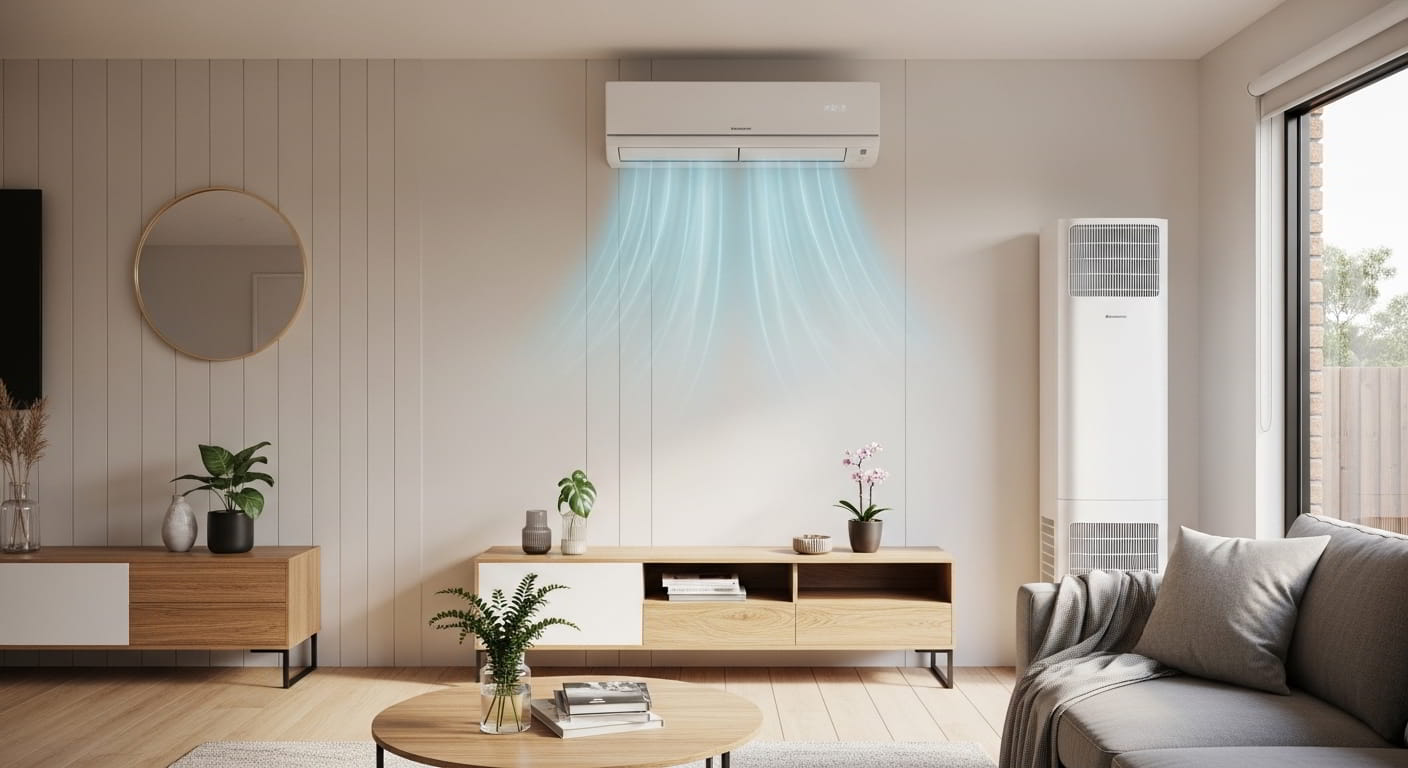
Different Types of Air Conditioning Systems
Not all air conditioning systems operate in exactly the same way. Several options are available depending on the size and needs of the property.
Central Air Conditioning
Central systems use ductwork to distribute cooled air throughout an entire building. They are ideal for larger homes and provide consistent temperature control.
Split-System Air Conditioners
These systems consist of indoor and outdoor units connected by refrigerant lines. They are among the most common residential cooling solutions.
Ductless Mini-Split Systems
Mini-split systems do not require ductwork and allow homeowners to cool individual rooms or zones independently.
Window Air Conditioners
Window units are compact systems designed to cool a single room. They are often used in apartments and smaller living spaces.
Portable Air Conditioners
Portable units can be moved between rooms and offer temporary cooling solutions where permanent installation is not practical.
Improving Air Conditioning Efficiency
An efficient air conditioning system not only keeps your home comfortable but also helps reduce energy costs.
Here are a few ways homeowners can improve efficiency:
- Replace or clean air filters regularly.
- Schedule professional maintenance inspections.
- Seal air leaks around doors and windows.
- Use programmable thermostats.
- Keep outdoor condenser units free from debris.
- Ensure ducts are properly sealed and insulated.
Regular maintenance can significantly extend system lifespan while maintaining optimal performance.
Common Signs Your Air Conditioning System Needs Attention
Even the most reliable air conditioning systems occasionally experience issues. Recognizing warning signs early can prevent costly repairs.
Watch for:
- Weak airflow
- Uneven cooling
- Unusual noises
- Rising energy bills
- Frequent cycling
- Excess humidity indoors
- Warm air coming from vents
If any of these problems occur, professional inspection and servicing may be necessary.
Final Thoughts
Air conditioning has become an essential part of modern comfort, especially in regions that experience hot and humid weather. While the technology behind it may seem complex, the basic principle remains simple: remove heat from indoors and release it outside.