
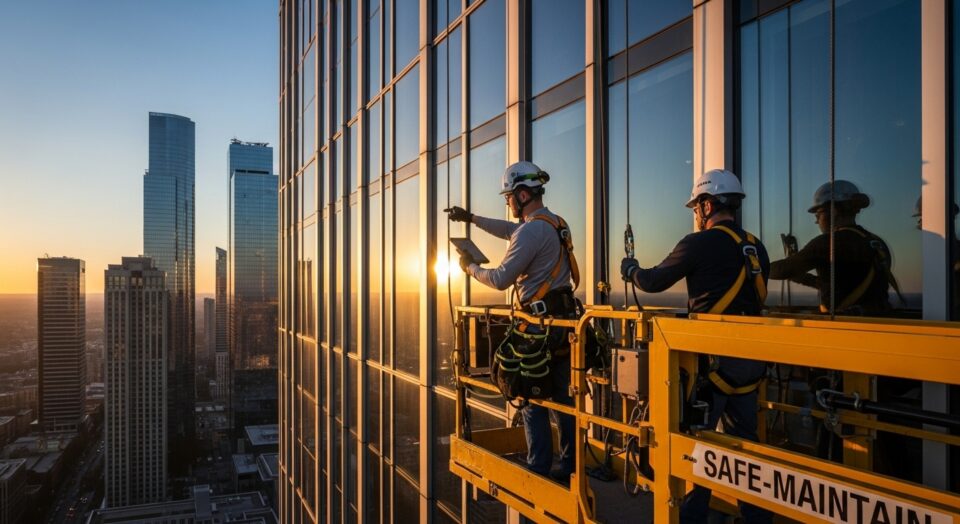
Every property owner wants their building to stay safe, attractive and valuable for years to come. Whether you own an office, retail space, apartment complex or industrial facility skipping routine upkeep can lead to repairs, safety risks and a drop in property value. That is why building maintenance is more than fixing problems when they occur it is about stopping them before they become major issues.
A maintained building creates a good impression and improves functionality extends the lifespan of structural components and reduces unexpected repair costs. Regular inspections and timely servicing ensure that everything from roofing and plumbing to systems and HVAC equipment works efficiently.
Why Preventative Maintenance Matters More Than Repairs
Many property owners only act when something breaks. Unfortunately, reactive repairs are often more expensive than routine maintenance.
Preventative building maintenance focuses on finding issues before they escalate into costly structural damage. For example fixing a roof leak today can prevent extensive water damage mould growth, insulation replacement and ceiling repairs later.
Preventative care helps:
- Detect issues early
- Minimize repair expenses
- Reduce emergency call-outs
- Improve building safety
- Extend the lifespan of assets
This proactive approach saves both time and money over the life of a property.
Preserving Property Value
Buildings naturally experience wear due to weather daily use and ageing materials. Without care deterioration becomes visible making the property less appealing to tenants, buyers or customers.
A property that receives scheduled building maintenance retains its appearance and market value better than one that is neglected.
Key areas that influence property value include:
- walls
- Roofing
- Landscaping
- Flooring
- Windows and doors
- Common areas
- Parking facilities
Maintaining these elements ensures your property continues to attract quality tenants and commands resale prices.
Potential buyers often view maintenance records as evidence that the building has been responsibly managed, increasing buyer confidence.
Reducing Emergency Repairs
Unexpected breakdowns can disrupt business operations and create significant financial burdens.
Imagine discovering:
- pipes after hours
- Air conditioning failure during summer
- Electrical faults affecting tenants
- Roof leaks during heavy rain
Emergency repairs usually involve labour costs, urgent replacement parts and operational downtime.
Routine building maintenance significantly lowers the risk of failures by inspecting systems before they reach critical condition.
Regular servicing of electrical, plumbing, HVAC and roofing systems keeps everything functioning reliably throughout the year.
Improving Occupant Safety
Safety should always be a priority for every property owner.
Maintained buildings can expose occupants to various hazards including:
- Slippery walkways
- Electrical faults
- Structural damage
- Fire hazards
- Water leaks
- Broken handrails
- Faulty emergency lighting
Regular inspections help identify these issues early and ensure they are corrected before accidents occur.
Safe buildings protect employees, residents, customers and visitors while also reducing the risk of claims and insurance issues.
Increasing Energy Efficiency
Energy costs continue to rise, making efficiency an important part of property management.
Routine building maintenance ensures equipment operates at peak performance.
Examples include:
- Cleaning HVAC filters
- Servicing air conditioning systems
- Repairing insulation
- Sealing windows and doors
- Maintaining lighting systems
- Checking water systems for leaks
When building systems operate efficiently energy consumption decreases, resulting in utility bills.
Simple maintenance tasks can often generate long-term savings while reducing environmental impact.
Extending the Life of Building Assets
Every building contains assets that require ongoing care.
These include:
- Roofing systems
- Elevators
- Plumbing infrastructure
- Heating and cooling equipment
- Electrical installations
- Flooring
- Paintwork
Replacing these assets can be extremely expensive.
Regular servicing extends their lifespan by preventing unnecessary wear and reducing strain on equipment.
For example servicing an HVAC unit twice a year can add years to its operational life while maintaining reliable performance.
Longer-lasting assets deliver better returns on investment and reduce capital expenditure.
Supporting Business Continuity
properties rely on uninterrupted operations.
Unexpected equipment failures or structural issues can force businesses to close leading to lost revenue and dissatisfied customers.
Routine building maintenance helps minimise disruptions by keeping essential systems functioning correctly.
Businesses benefit from:
- Reliable electrical systems
- Comfortable indoor temperatures
- Safe work environments
- plumbing
- Secure access points
A dependable building allows employees to remain productive while providing customers with an experience.
Meeting Compliance Requirements
Many commercial buildings must comply with safety regulations and industry standards.
Maintenance schedules often include inspections for:
- Fire safety equipment
- Emergency exits
- Smoke alarms
- systems
- Lift maintenance
- Accessibility features
Failure to maintain these systems may result in penalties, legal issues or insurance complications.
Keeping maintenance records demonstrates property management and helps satisfy regulatory requirements.
Regular inspections ensure compliance while reducing liabilities.
Enhancing Tenant Satisfaction
For landlords and property managers tenant retention is directly linked to building condition.
Tenants appreciate buildings that’re
- Clean
- Safe
- Comfortable
- Efficient
- maintained
Prompt maintenance creates a positive living or working environment while building trust between owners and occupants.
Satisfied tenants are more likely to renew leases reducing vacancy rates and associated marketing costs.
Good maintenance also enhances the propertys reputation within the market.
Best Practices for Effective Building Maintenance
Creating a maintenance plan helps ensure nothing is overlooked.
Consider these practical strategies:
Schedule Regular Inspections
Inspect roofs, plumbing, electrical systems, HVAC units and structural components throughout the year.
Address Minor Problems Quickly
Small repairs often prevent structural damage and higher repair costs.
Maintain Detailed Records
Document inspections, servicing, repairs and equipment warranties to simplify maintenance planning.
Prioritise Preventative Servicing
Follow manufacturer recommendations for servicing equipment before breakdowns occur.
Work with Qualified Professionals
Experienced maintenance specialists can identify issues and recommend practical long-term solutions.
Plan for Seasonal Changes
Prepare buildings before summer heat, winter storms or heavy rainfall by servicing climate- systems.
Common Areas That Need Routine Maintenance
A comprehensive maintenance program typically includes:
- Roof inspections
- Gutter cleaning
- Exterior painting
- Plumbing maintenance
- testing
- HVAC servicing
- Fire safety inspections
- Pest management
- Waterproofing checks
- Window and door maintenance
- Car park repairs
- Lighting replacement
- Drainage inspections
- Landscaping upkeep
Giving attention to these areas helps maintain the buildings appearance while reducing long-term repair costs.
Why Professional Maintenance Makes a Difference
While some minor tasks can be handled internally larger buildings benefit from maintenance services.
Experienced contractors use equipment and industry knowledge to identify issues that may not be visible during routine inspections.
Professional teams can also create maintenance schedules based on:
- Building age
- Occupancy levels
- conditions
- Equipment requirements
- Budget considerations
Their expertise ensures repairs meet current safety standards while improving overall building performance.
A building represents one of the valuable investments a person or business can own. Protecting that investment requires more than repairs it demands a proactive approach focused on prevention, efficiency and long-term performance.