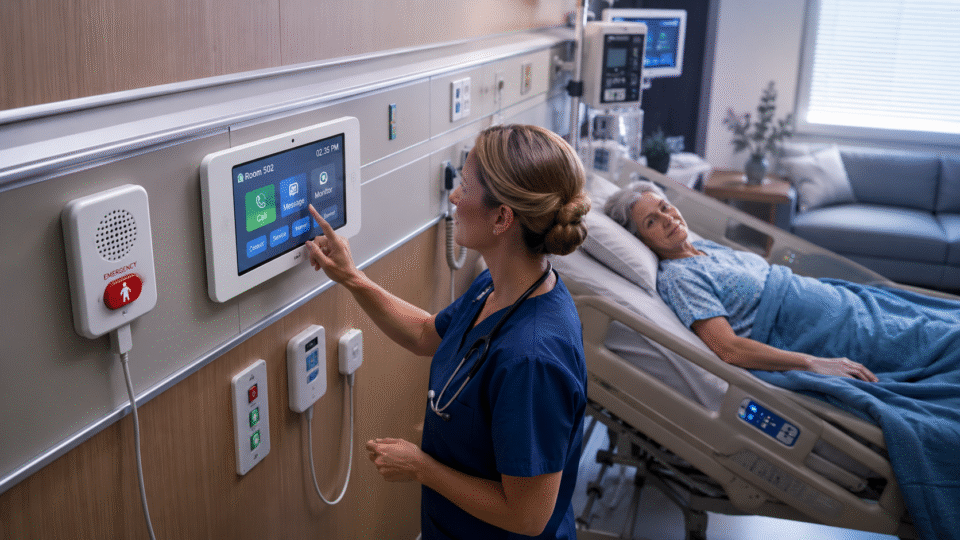
In the evolving landscape of healthcare, technology plays a critical role in enhancing patient care, improving efficiency, and supporting medical professionals. Hospitals and healthcare facilities are increasingly adopting advanced solutions to streamline communication and response times. One such innovation is the medical call system, which has become an essential component in modern healthcare environments. These systems are no longer limited to basic alerts; they now integrate with smart technologies to provide real-time data, faster communication, and improved patient outcomes.
With the rise of medical alert system innovations, healthcare providers are leveraging integrated technologies to create more responsive and efficient environments. Modern medical call systems are designed to connect seamlessly with hospital infrastructure, including electronic health records, mobile devices, and monitoring equipment. This level of integration ensures that healthcare professionals receive accurate information instantly, enabling them to respond quickly and effectively to patient needs while minimizing delays and errors.

Understanding Medical Call Systems
A medical call system is a communication platform that allows patients to request assistance and enables healthcare staff to respond promptly. Traditionally, these systems consisted of a simple call button located near the patient’s bed. Today, however, they have evolved into sophisticated networks that include:
- Wireless call buttons and wearable devices
- Mobile notifications for healthcare staff
- Integration with patient monitoring systems
- Automated alerts based on patient conditions
These advancements make medical call systems more efficient, reliable, and adaptable to the complex needs of modern healthcare facilities.
The Role of Smart Integration
Smart integration refers to the ability of medical call systems to connect with other technologies within a healthcare environment. This integration enhances the functionality and effectiveness of the system in several ways:
Real-Time Data Sharing
Integrated systems allow patient data to be shared instantly between devices and staff. For example, if a patient presses a call button, the system can provide nurses with additional information such as medical history, current condition, and urgency level. This helps in prioritizing responses and delivering appropriate care.
Automated Alerts and Notifications
Smart medical call systems can generate automatic alerts based on predefined conditions, such as abnormal vital signs or patient movement. This reduces reliance on manual monitoring and ensures that critical situations are addressed immediately.
Mobile Integration
Healthcare professionals can receive alerts directly on their smartphones or tablets. This mobility allows staff to respond faster, even when they are not stationed at a central desk, improving workflow efficiency and reducing response times.
Workflow Optimization
By integrating with hospital management systems, medical call systems help streamline workflows. Tasks can be assigned automatically, reducing confusion and ensuring that the right staff member responds to each call.
Benefits of Smart Medical Call Systems
Improved Patient Outcomes
Timely communication is essential in healthcare. With faster response times and better coordination, patients receive prompt attention, reducing the risk of complications and improving recovery rates.
Enhanced Staff Efficiency
Smart integration minimizes unnecessary movement and manual processes. Nurses and healthcare workers can focus on critical tasks rather than spending time tracking down information or responding to non-urgent calls inefficiently.
Better Patient Experience
Patients feel more secure knowing that help is just a button away. Advanced systems also allow for more personalized care, as staff have access to detailed patient information before responding.
Increased Safety and Compliance
Integrated systems ensure that all interactions are logged and monitored. This helps healthcare facilities maintain compliance with industry regulations and provides valuable data for quality improvement initiatives.
Key Features of Modern Medical Call Systems
- Two-way communication: Enables direct interaction between patients and staff
- Priority-based alerts: Differentiates between routine and emergency calls
- Integration with IoT devices: Connects with smart beds, monitors, and sensors
- Data analytics and reporting: Provides insights into response times and system performance
- Scalability: Adapts to the needs of small clinics and large hospitals alike
These features make medical call systems indispensable in delivering high-quality healthcare services.

Applications Across Healthcare Settings
Hospitals
In large hospitals, integrated medical call systems ensure seamless communication across departments, improving coordination and reducing delays in patient care.
Elderly Care Facilities
Wearable devices and fall detection systems provide immediate alerts, ensuring the safety of elderly residents and enabling quick intervention when needed.
Clinics and Outpatient Centers
Even smaller healthcare facilities benefit from efficient communication systems that streamline operations and enhance patient satisfaction.
Home Healthcare
Smart medical call systems are increasingly used in home care settings, allowing patients to stay connected with healthcare providers while maintaining independence.
Challenges and Considerations
While the benefits are significant, implementing smart medical call systems comes with certain challenges:
- Initial investment costs for advanced technology
- Training requirements for staff to use new systems effectively
- Integration complexities with existing infrastructure
- Maintenance and updates to ensure system reliability
Addressing these challenges requires careful planning, proper vendor selection, and ongoing support to maximize the return on investment.
Future Trends in Medical Call Systems
The future of medical call systems lies in continuous innovation and deeper integration:
- Artificial Intelligence (AI): Predictive analytics to anticipate patient needs
- Voice-activated systems: Hands-free communication for improved accessibility
- Cloud-based platforms: Remote monitoring and data storage
- Advanced wearables: Real-time health tracking and automatic alerts
These advancements will further enhance the efficiency and effectiveness of healthcare delivery, ensuring better outcomes for patients.
Conclusion
Smart integration in medical call systems is transforming the way healthcare facilities operate. By combining advanced technology with efficient communication, these systems play a crucial role in improving patient outcomes, enhancing staff productivity, and ensuring safety. The evolution of the medical call system into a fully integrated solution reflects the growing demand for smarter, more responsive healthcare environments.