
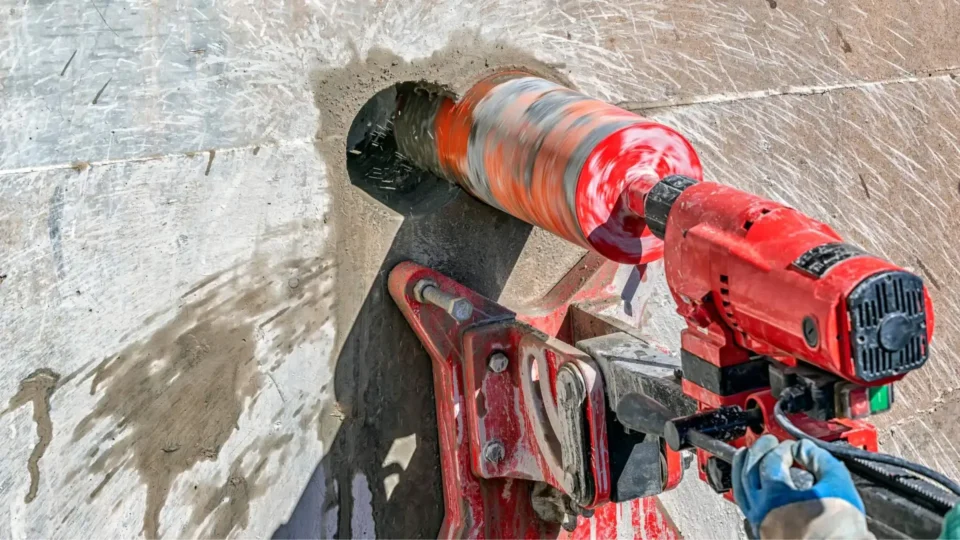
Have you ever been mid-way through a core drilling job when suddenly your bit grinds to a halt? That sickening moment when the motor strains, the bit refuses to budge, and you realise you’ve got a serious problem on your hands? If you’ve worked with heavily reinforced concrete, you’ll know exactly what we’re talking about.
We will walk you through everything you need to know about core drilling through heavily reinforced concrete. You’ll learn what causes bits to bind, how to choose the right equipment, and the professional techniques that keep cuts clean and bits spinning freely. By the end, you’ll have the confidence to tackle even the toughest reinforced concrete jobs without destroying your gear.
Understanding Reinforced Core Drill: What You’re Up Against
What Makes Concrete Heavily Reinforced?
Not all reinforced concrete is created equal. Standard residential slabs might contain a simple mesh of light rebar, but heavily reinforced structures are a different beast entirely. Think commercial buildings, bridge supports, or industrial foundations these typically feature dense networks of thick steel bars, sometimes layered at multiple depths.
Heavy reinforcement usually means rebar at 16mm diameter or larger, placed at close intervals of 100-150mm. Some structures include multiple layers of reinforcement running in different directions. This creates a steel cage within the concrete that dramatically increases strength but makes drilling significantly more challenging.
How Rebar Placement Affects Core Drilling
The position and orientation of rebar directly impacts your drilling success. When your core bit encounters steel at an angle, it tends to deflect rather than cut cleanly. Hitting multiple bars in quick succession generates excessive heat and creates binding conditions.
Why Do Core Drill Bits Bind in Reinforced Concrete?
Common Causes of Bit Binding
Bit binding occurs when the cutting edge becomes trapped in the material. Several factors contribute to this frustrating situation. Insufficient water flow allows debris to pack around the bit, creating friction that stops rotation. Running the drill too fast through steel overheats the diamond segments, causing them to glaze over and lose cutting ability.
Warning Signs Your Bit Is About to Bind
Learning to recognise the warning signs saves you from damaged equipment and wasted time. Watch for sudden changes in the sound of your drill a high-pitched whine often indicates the bit is struggling. If you notice the rotation slowing despite consistent power, back off immediately.
Essential Equipment for Drilling Through Reinforced Concrete
Choosing the Right Diamond Core Bit for Rebar
Your bit selection makes or breaks the job. For reinforced concrete, you need diamond segments specifically formulated for cutting both aggregate and steel. These combination bits feature a softer bond matrix that exposes fresh diamonds as you cut through rebar.
What Size Core Drill Do I Need for Reinforced Concrete?
Motor power determines your success with heavy reinforcement. For holes up to 100mm diameter, a minimum 2kW drill handles most jobs. Larger holes through thick reinforcement demand 3kW machines or higher.
Wet vs Dry Core Drilling: Which Is Better for Heavy Reinforcement?
Wet drilling wins hands-down for reinforced concrete work. The constant water flow serves multiple critical functions. It cools the bit, preventing the heat buildup that destroys diamond segments. It flushes debris from the cut, reducing friction. Plus, it suppresses dust, making for a safer work environment.
Dry drilling has its place for shallow cuts in lightly reinforced material, but attempting deep holes through heavy rebar without water is asking for trouble. Invest in proper wet drilling setup it’s non-negotiable for serious reinforced concrete work.
Step-by-Step Guide: How to Core Drill Reinforced Concrete Without Binding
Pre-Drilling Preparation and Site Assessment
Proper preparation prevents problems. Start by examining the structure and any available plans showing reinforcement placement. Check the concrete age and condition older concrete often behaves differently than fresh pours.
Can You Use a Rebar Locator Before Core Drilling?
Absolutely and you should. Rebar locators use electromagnetic detection to map steel positions before you cut. This simple step helps you avoid the worst binding scenarios by allowing you to reposition holes away from dense reinforcement clusters.
Setting Up Your Core Drill Correctly
Secure mounting prevents movement during cutting. Whether using a rig stand or handheld setup, ensure everything is stable and properly aligned. A wobbly setup causes uneven cutting that promotes binding.
Optimal Speed and Pressure Settings
Finding the right balance between speed and pressure is crucial. Start slowly, allowing the bit to establish a clean kerf before increasing rotation speed. Let the weight of the drill provide downward pressure initially don’t force it.
Managing Water Flow During the Cut
Maintain steady water flow throughout the drilling process. Too little water causes overheating; too much can flood the cut and reduce cutting efficiency. Adjust flow based on the slurry colour emerging from the hole light grey indicates good concrete cutting, darker tones suggest adequate rebar cooling.
.jpg)
Professional Techniques to Prevent Bit Binding
The Peck Drilling Method Explained
Peck drilling involves periodically retracting the bit during cutting. This technique clears accumulated debris and allows fresh water to reach the cutting face. For reinforced concrete, withdraw the bit every 50-100mm of depth, clear the slurry, then continue.
How Do You Stop a Core Drill Bit from Overheating?
Beyond adequate water flow, managing heat requires attention to technique. Reduce pressure when hitting steel let the diamonds do the work. If the bit feels hot to touch after withdrawal, allow cooling time before continuing.
Watch for glazed diamond segments, which appear shiny rather than rough. Glazing indicates heat damage and requires dressing the bit against an abrasive block to expose fresh diamonds.
When to Pause and Clear Slurry
Regular slurry clearing maintains cutting efficiency. When slurry becomes thick or circulation slows, retract and flush. Build-up around the bit creates friction that leads to binding.
What to Do If Your Core Drill Bit Gets Stuck
Safe Extraction Methods
If binding occurs, never force the drill. Switch to reverse rotation briefly while gently pulling upward. Work the bit gradually, alternating direction until freed. For severe cases, you may need to chisel around the bit or use a extraction tool.
Can a Bound Bit Be Saved?
Often, yes. Inspect the diamond segments after extraction. If they’re intact, dress the bit to restore cutting ability. However, severely damaged segments may require replacement.
When to Call a Professional Core Drilling Contractor
Complex jobs involving deep cuts, multiple large-diameter holes, or structural elements warrant professional expertise. Licensed contractors have specialised equipment and insurance coverage that protects everyone involved.
Mastering Reinforced Concrete Core Drilling
Core drilling through heavily reinforced concrete doesn’t have to result in stuck bits and abandoned projects. Success comes down to preparation, proper equipment selection, and patient technique. The investment in quality combination bits pays dividends in reduced downtime and frustration.
Remember the fundamentals: use adequate water, maintain moderate speed through rebar, and employ peck drilling for deep holes. Learn to recognise the warning signs of impending binding and respond immediately. These habits separate successful operators from those constantly fighting equipment failures.