
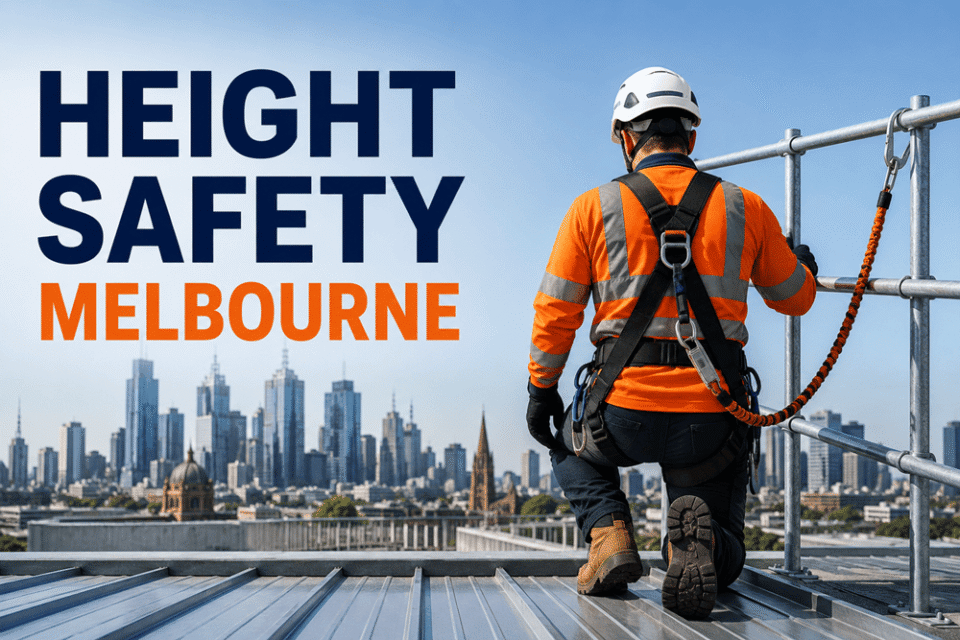
Ever wondered what keeps workers safe when they’re dangling from skyscrapers or maintaining rooftops in our busy Australian cities? Have you thought about the systems and training that prevent falls from heights every single day? And what about the regulations that make sure everyone goes home safely after a shift?
Height safety in urban environments isn’t just a box-ticking exercise it’s genuinely life-saving stuff. With our cities growing taller and more complex, the need for solid height safety practices has never been greater. From construction sites dotting the Sydney skyline to telecommunications workers scaling towers in Perth, thousands of Australians work at heights daily. Getting this right matters enormously.
In this article, we’ll explore everything you need to know about height safety in urban settings. We’ll break down the regulations, examine common hazards, and look at the equipment that keeps people safe. You’ll also discover the training requirements, industry-specific considerations, and how to choose the right height safety provider for your project. Whether you’re a site manager, business owner, or worker, there’s something here for everyone.
Understanding Height Safety Regulations in Australia
What Are the Legal Requirements for Working at Heights?
In Australia, working at heights is covered under Work Health and Safety (WHS) laws. These regulations apply to any work where a person could fall from one level to another and suffer an injury. There’s no specific height that triggers these requirements if there’s a risk of falling, the rules apply.
Employers have a duty of care to eliminate or minimise fall risks. This means providing appropriate equipment, training, and supervision. Workers also have responsibilities to follow safety procedures and use equipment correctly.
Key Standards and Compliance Guidelines
The main standard governing height safety is AS/NZS 1891, which covers industrial fall-arrest systems and devices. Additionally, AS/NZS 4488
addresses industrial rope access systems. These standards outline everything from equipment specifications to installation requirements.
Compliance isn’t optional. Safe Work Australia provides codes of practice that give practical guidance on meeting your obligations. Regular audits and inspections help make sure everything stays up to scratch.
Common Height Safety Hazards in Urban Settings
Rooftop and Building Maintenance Risks
Rooftops present unique challenges in urban environments. Unprotected edges, fragile surfaces like skylights, and unexpected weather changes all create hazards. Maintenance workers often access rooftops regularly, making proper anchor points and guardrails essential.
The risks multiply when workers carry tools or equipment. A simple slip near an unguarded edge can have devastating consequences. That’s why permanent height safety systems on commercial buildings aren’t luxuries they’re necessities.
Construction Site Dangers
Construction sites are among the most hazardous environments for working at heights. Scaffolding, elevated platforms, and incomplete structures all pose significant risks. The dynamic nature of construction means hazards change constantly as projects progress.
Falls from heights remain one of the leading causes of workplace fatalities in Australia. On construction sites, this often happens during tasks like installing roof trusses, working on scaffolds, or accessing partially completed floors.
Window Cleaning and Facade Work
Window cleaners and facade maintenance workers face specific challenges in urban environments. They often work on suspended platforms or rope access systems, sometimes dozens of storeys above street level. Wind conditions, building movement, and equipment failure are all potential hazards.
These workers need specialised training and equipment. Building owners must provide suitable anchor points and access systems that meet Australian standards.
Essential Height Safety Equipment and Systems
What Safety Equipment Is Required for Working at Heights?
The equipment required depends on the specific task and risk assessment. However, common items include harnesses, lanyards, anchor points, guardrails, and safety nets. Personal protective equipment (PPE) like hard hats and non-slip footwear also plays a role.
Every piece of equipment must comply with relevant Australian standards. This isn’t just about buying the right gear it’s about making sure it’s properly fitted, maintained, and used correctly.
Fall Arrest Systems vs Fall Restraint Systems
Understanding the difference between these systems is crucial:
– Fall restraint systems prevent workers from reaching an edge where they could fall
– Fall arrest systems stop a fall that’s already happening
Fall restraint is generally preferred because it prevents falls entirely. Fall arrest systems are used when restraint isn’t practical. Both require proper training and regular equipment checks.
Anchor Points and Guardrails
Anchor points are fixed positions where workers can attach their harnesses. They must be engineered to withstand the forces generated during a fall. Guardrails provide passive protection, creating physical barriers at edges and openings.
The choice between these systems depends on factors like the building design, frequency of access, and types of work being performed.
How Often Should Height Safety Equipment Be Inspected?
Equipment inspection is non-negotiable. Pre-use checks should happen every time equipment is used. Formal inspections by competent persons should occur at least every six months for regularly used equipment.
Any equipment that fails inspection or shows signs of wear must be removed from service immediately. Keeping detailed records of inspections and maintenance is also a legal requirement.
Best Practices for Fall Prevention in Urban Environments
Risk Assessment and Planning
Every job at heights starts with a thorough risk assessment. This involves identifying hazards, evaluating risks, and determining appropriate controls. Good planning prevents accidents and keeps projects running smoothly.
Documentation is key. Written safe work method statements (SWMS) outline how high-risk construction work will be carried out safely. These aren’t just paperwork they’re practical guides that workers should actually use.
How Do You Conduct a Height Safety Risk Assessment?
A proper risk assessment follows a structured approach:
- Identify all tasks involving work at heights
- Spot potential hazards for each task
- Evaluate the likelihood and severity of harm
- Determine existing controls and their effectiveness
- Implement additional controls where needed
- Review and update regularly
Involving workers in this process is vital. They often have firsthand knowledge of hazards that might not be obvious to managers or safety professionals.
Height Safety Training Requirements
What Training Is Needed for Working at Heights in Australia?
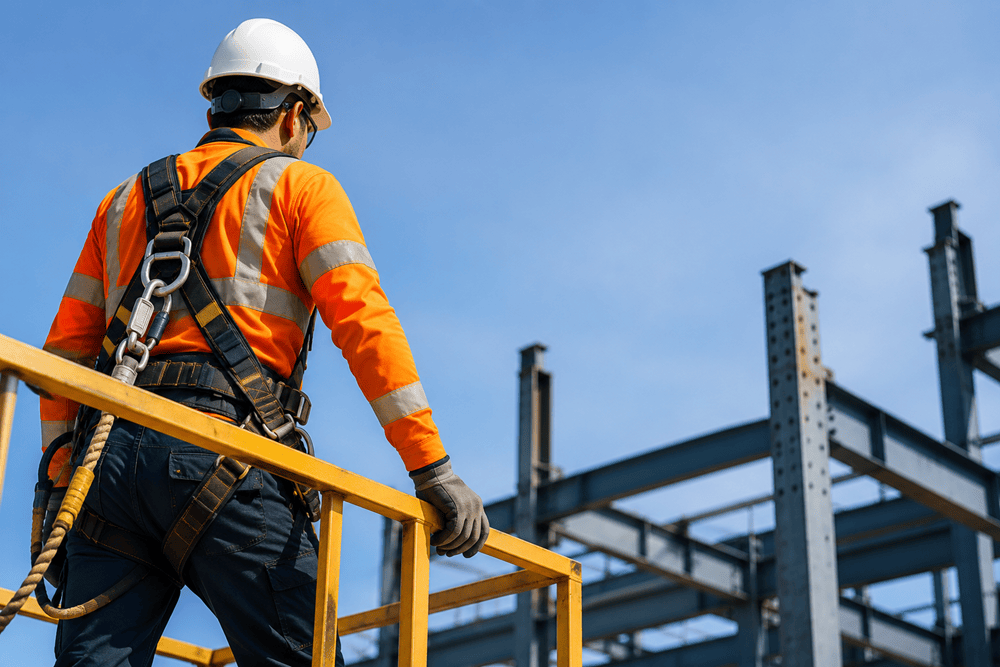
In Australia, workers performing high-risk work at heights need formal training. The nationally recognised unit of competency is RIIWHS204E (Work Safely at Heights). This training covers hazard identification, equipment use, and emergency procedures.
Training must be delivered by registered training organisations (RTOs). It includes both theoretical knowledge and practical skills assessment.
Competency Standards and Certifications
Beyond the basic unit, various roles require additional competencies. Rope access technicians, for example, need specialised certifications from organisations like IRATA or ARAA. Rescue training is also essential for teams working in isolated or difficult-to-access locations.
Employers must verify that workers hold current, valid certifications before allowing them to work at heights.
Refresher Training and Ongoing Education
Skills fade without practice. Refresher training helps workers maintain their competency and stay updated on new regulations or equipment. Many organisations require annual refresher courses for height safety.
Toolbox talks and regular safety meetings also reinforce good practices. Creating a culture where safety is openly discussed makes a real difference.
Industry-Specific Height Safety Considerations
Different industries face unique height safety challenges. Commercial building maintenance often involves regular rooftop access, requiring permanent anchor systems. Residential construction projects may need temporary solutions like scaffolding and guardrails.
Telecommunications and infrastructure work frequently involves towers and poles in remote locations. These settings require self-rescue capabilities and robust emergency planning.
Choosing the Right Height Safety Solutions for Your Project
What Should You Look for in a Height Safety Provider?
When selecting a height safety provider, consider their experience, certifications, and reputation. They should understand Australian standards thoroughly and offer customised approaches rather than one-size-fits-all products.
Ask about their after-sales support, including inspection and maintenance services. A good provider becomes a long-term partner in your safety programme.
Cost Considerations and Long-Term Value
While budget matters, the cheapest option isn’t always the best value. Quality equipment lasts longer and provides better protection. Consider the total cost of ownership, including maintenance, inspections, and potential downtime.
Investing in proper height safety systems also reduces liability and insurance costs. Most importantly, it protects your people.
Building a Culture of Height Safety
We’ve covered a lot of ground here from regulations and hazards to equipment, training, and choosing the right provider. The key takeaway? Height safety in urban environments requires a systematic approach that combines proper equipment, thorough training, and genuine commitment from everyone involved.
The best height safety outcomes happen when safety becomes part of everyday thinking, not just a compliance requirement. This means involving workers in risk assessments, encouraging them to speak up about hazards, and recognising safe behaviour.
So whether you’re planning a construction project, managing a commercial building, or working at heights yourself, take these best practices seriously. Your safety and the safety of those around you depends on it. If you’re unsure about any aspect of height safety, reach out to qualified professionals who can guide you in the right direction.