
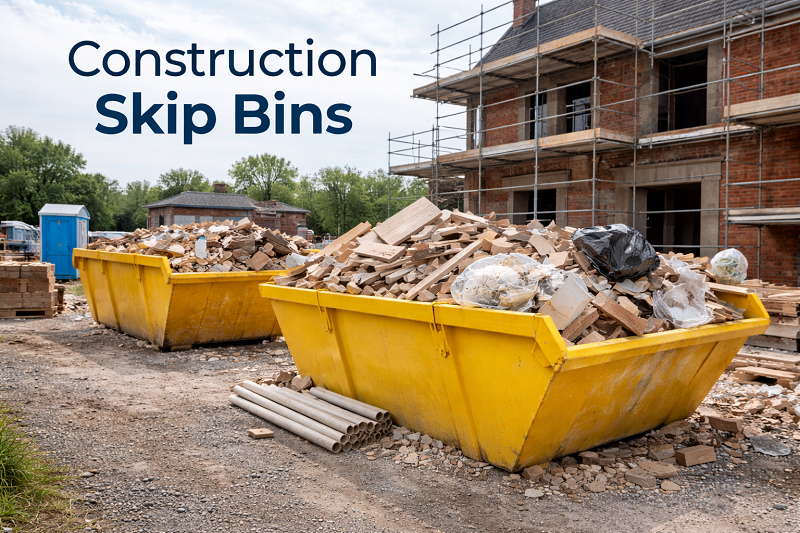
Ever found yourself knee-deep in demolition debris, wondering where on earth all this rubble should go? Perhaps you’re midway through a bathroom renovation and the pile of broken tiles keeps growing by the hour. Or maybe you’re tackling a major home extension and the sheer volume of waste has left you scratching your head.
If you’re working on any construction project in Melbourne, chances are you’ll need a skip bin at some point. These handy containers make waste disposal so much simpler, but here’s the thing—not everything can be tossed in willy-nilly. There are rules about what goes in, what stays out, and how to make the most of your hire.
This guide walks you through everything you need to know about construction skip bins in Melbourne. We’ll cover acceptable materials, banned items, sizing options, costs, and even tips for loading efficiently. By the end, you’ll feel confident about managing your construction waste properly. Let’s get stuck into it.
What Can You Put in a Construction Skip Bin?
Common Construction and Demolition Waste
Most construction projects generate a predictable mix of waste materials. Timber offcuts, plasterboard, metal scraps, and general building debris are all perfectly fine for your skip bin. Broken fixtures, old doors, window frames, and damaged flooring materials can go straight in too.
Roofing materials like tiles and metal sheeting are generally accepted. The same goes for plastic packaging, insulation materials (excluding asbestos), and carpet or underlay from demolitions. Basically, if it’s standard building material without hazardous properties, you’re good to go.
Renovation and Remodelling Materials
Kitchen and bathroom renovations create heaps of waste. Old cabinets, benchtops, sinks, bathtubs, and ceramic tiles can all be disposed of in construction skip bins. Broken glass from windows or mirrors is acceptable, though it’s best wrapped or contained for safety.
Flooring materials such as vinyl, laminate, and timber boards are fine. Wall panelling, skirting boards, and architraves—chuck them in. Even old paint tins are sometimes accepted if they’re completely empty and dried out, though always check with your provider first.
Heavy Materials: Concrete, Bricks, and Soil
Here’s where things get interesting. Concrete, bricks, and masonry are accepted in most skip bins, but there’s a catch. These materials are incredibly heavy, so many companies have weight limits or require you to hire a specific “heavy waste” bin.
Mixing heavy materials with lighter general waste can push you over weight restrictions. This might result in additional fees or even rejection of the load. Some skip bin companies offer dedicated bins for concrete and bricks, which are often smaller but designed to handle the weight. Always ask about weight limits before you start filling.
What Cannot Go in a Skip Bin?
Hazardous Materials and Why They’re Banned
Certain materials pose serious risks to people and the environment. That’s why hazardous waste is strictly prohibited in skip bins. This includes paints, solvents, oils, pesticides, and any flammable liquids. Batteries, gas bottles, and fire extinguishers are also banned.
These items require specialised disposal through licensed facilities. Mixing them with general construction waste can contaminate entire loads, making recycling impossible. Plus, there are significant legal penalties for improper disposal of hazardous materials in Victoria.
Asbestos: Melbourne’s Strict Regulations
Asbestos deserves its own mention because it’s so commonly found in older Melbourne homes. If your property was built before 1990, there’s a decent chance asbestos is lurking somewhere—in roof sheeting, wall cladding, floor tiles, or insulation.
Never, ever put asbestos in a standard skip bin. It’s illegal and incredibly dangerous. Melbourne has strict regulations requiring asbestos to be removed by licensed professionals and disposed of at approved facilities. If you suspect asbestos, stop work immediately and get it tested. The EPA Victoria website has detailed guidance on proper handling.
Electronic Waste and Chemicals
Old appliances, computers, televisions, and other electronics don’t belong in skip bins. These items contain toxic components like lead, mercury, and cadmium that require proper recycling. Many councils and retailers offer free e-waste drop-off programs.
Household chemicals, cleaning products, and medical waste are equally prohibited. Tyres and mattresses are also commonly refused, as they’re difficult to process and can damage recycling equipment. When in doubt, ask your skip bin provider before loading questionable items.
Also read: Various Types of Skip Bin Hire
Can You Put Soil and Green Waste in a Skip Bin?
The short answer is: it depends. Clean soil—meaning dirt free from contaminants, rocks, and rubbish—is often accepted in dedicated bins. However, mixing soil with general construction waste is usually not allowed.
Green waste like tree branches, grass clippings, and garden debris can sometimes go in mixed waste bins, but many companies prefer it separated. Some providers offer specific green waste bins that get composted or mulched rather than sent to landfill. This is often a more environmentally friendly option and can be cheaper too.
If your project involves landscaping alongside construction, consider hiring separate bins for different waste streams. It keeps disposal straightforward and helps maximise recycling opportunities.
How Do I Dispose of Concrete and Bricks in Melbourne?
Concrete and brick disposal requires a bit of planning. As mentioned earlier, these materials are heavy, so standard skip bins may not be suitable for large quantities. Many skip bin companies offer specific heavy waste options designed for masonry, concrete, and soil.
The good news? Concrete and bricks are highly recyclable. Crushed concrete becomes road base material, while bricks can be repurposed for landscaping or new construction. By choosing a provider that recycles these materials, you’re reducing landfill waste and supporting Melbourne’s circular economy.
For smaller amounts, some council transfer stations accept concrete and bricks from residents. Quantities and fees vary between councils, so check your local council website for specific details.
Skip Bin Sizes: Which One Do You Need for Your Construction Project?
Small Renovations and Bathroom Remodels
For minor renovations—think bathroom updates or small room makeovers—a 2 to 4 cubic metre bin usually does the trick. These compact options fit easily in driveways and handle a surprising amount of waste.
A 3 cubic metre bin holds roughly 6 to 8 standard trailer loads. That’s plenty for tiles, old fixtures, plasterboard, and general debris from a single-room renovation.
Medium-Sized Home Extensions
Tackling a home extension or multiple-room renovation? You’ll likely need something in the 6 to 8 cubic metre range. These bins accommodate the increased waste from larger projects without requiring constant replacements.
Consider the project timeline too. A bin that sits for two weeks costs more than a shorter hire, but swapping bins mid-project adds delivery fees. Balance capacity against rental duration for the best value.
Large Demolition and Commercial Projects
Major demolitions and commercial builds demand serious capacity. Bins ranging from 10 to 30 cubic metres handle substantial waste volumes efficiently. For complete house demolitions, multiple bins or a combination of sizes might be necessary.
At this scale, working closely with your skip bin provider makes sense. They can advise on the most cost-effective bin combinations and coordinate pickups to keep your site running smoothly.
How Much Does It Cost to Hire a Skip Bin in Melbourne?
Skip bin pricing varies based on size, rental period, location, and waste type. As a rough guide, expect to pay between $250 and $350 for a small 2-3 cubic metre bin. Medium bins (4-6 cubic metres) typically range from $300 to $450.
Larger bins for major projects can cost $500 to $800 or more. Heavy waste bins for concrete and soil often carry premium pricing due to weight and processing costs.
Most hire periods run 3-7 days, with extensions available for additional fees. Delivery charges may apply depending on your Melbourne suburb. Getting quotes from several providers helps ensure competitive pricing.
Do You Need a Council Permit for a Skip Bin in Melbourne?
If your skip bin sits on private property—your driveway, for instance—no permit is needed. However, placing a bin on public property like the street or footpath requires a council permit.
Permit costs and requirements vary between Melbourne councils. Processing times range from a few days to over a week, so apply early. Your skip bin company can often handle permit applications on your behalf, which saves considerable hassle.
Tips for Loading Your Construction Skip Bin Efficiently
Maximising Space and Avoiding Overloading
Start by placing flat items like plasterboard and timber along the bottom. Break down large pieces before loading—it creates a more stable base and maximises space.
Fill gaps with smaller debris as you go. Don’t load above the bin’s rim; overfilled bins can’t be transported legally and may incur extra charges. Distribute weight evenly to prevent the bin tipping during pickup.
Separating Materials for Recycling
Where possible, keep recyclable materials together. Metals, clean timber, and concrete can often be recycled if properly separated. Some skip bin companies offer reduced rates for source-separated waste because processing is simpler.
Even basic sorting helps. Keeping green waste separate from construction materials improves recycling rates and reduces your project’s environmental footprint.
How Is Construction Waste Recycled in Melbourne?
Melbourne has robust construction waste recycling infrastructure. Reputable skip bin companies sort incoming waste at transfer stations, separating recyclable materials from landfill-bound rubbish.
Timber gets chipped for mulch or biomass fuel. Metals are sent to scrap processors. Concrete and bricks are crushed for aggregate. Clean soil finds new life in landscaping projects.
Choosing a skip bin provider committed to recycling ensures your construction waste gets processed responsibly. Ask potential providers about their recycling rates—good operators are proud to share their environmental credentials.
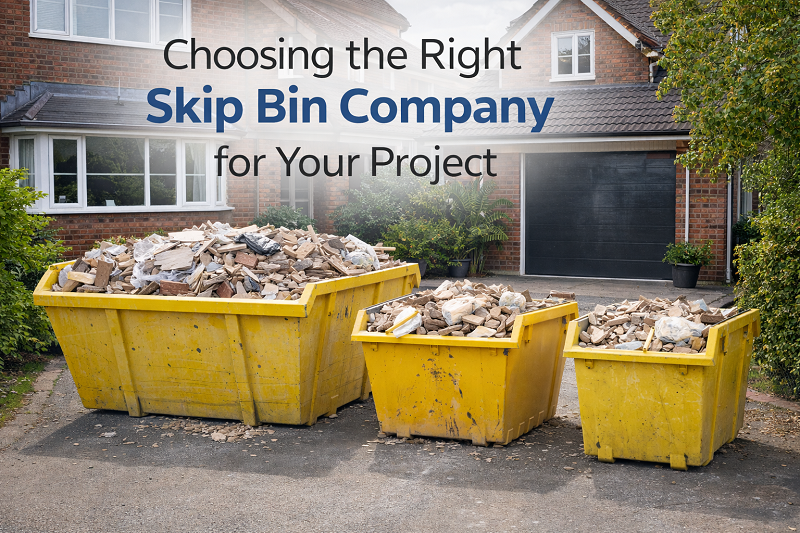
Choosing the Right Skip Bin Company for Your Project
Not all skip bin companies are created equal. When searching for construction skip bins Melbourne near me, it’s important to choose a provider with transparent pricing, clear terms, and strong reviews from Melbourne customers. Ask about their recycling practices and what happens to waste after collection to ensure environmentally responsible disposal.
Reliability matters too. A company that delivers on time and collects promptly keeps your project running smoothly. Check whether they offer flexible hire periods and what happens if you need to extend your booking without unexpected costs.
Local knowledge also makes a difference. A provider familiar with Melbourne council requirements can advise on permits and area-specific regulations. Local skip bin companies often provide faster response times and more personalised service, especially for construction and renovation projects.
Making Construction Waste Disposal Simple
Managing construction waste doesn’t need to be complicated. By understanding what can and can’t go in your skip bin, choosing the right size, and loading efficiently, you’ll keep your project site tidy and avoid unexpected costs.
The key points to remember? Most standard construction materials are fine, but hazardous waste, asbestos, and electronics are strictly off-limits. Heavy materials need special consideration, and getting quotes from multiple providers ensures you’re not overpaying.
Whether you’re renovating a bathroom or demolishing an entire building, the right skip bin makes all the difference. Taking time to plan your waste management and choosing reliable construction skip bins in Melbourne ensures compliance, efficiency, and a cleaner site. Work with a reputable local provider who understands construction requirements, and your project—and the environment—will thank you for it.