
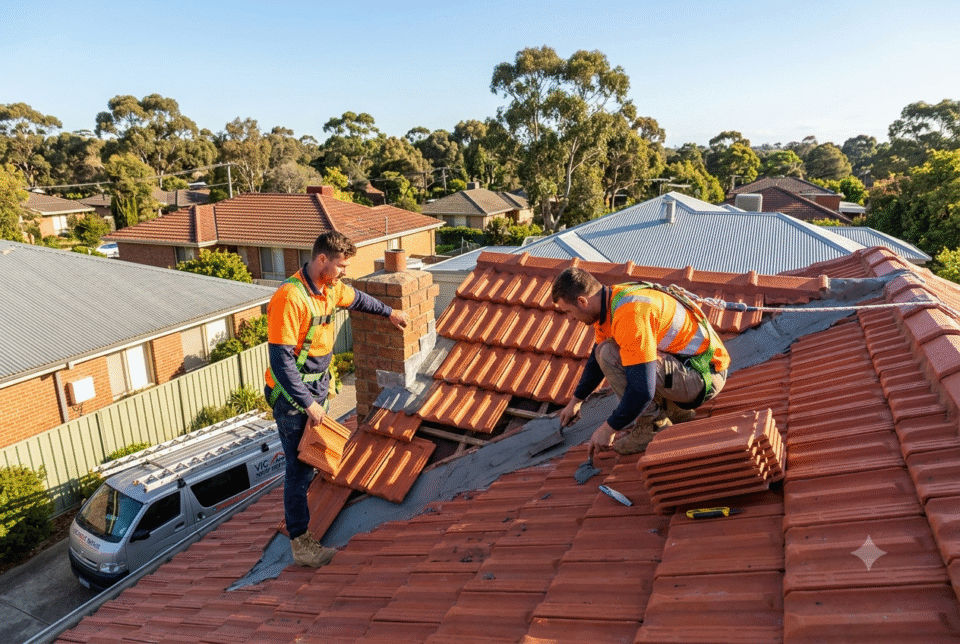
This guide breaks down exactly how different weather conditions impact your roof over time and why roof restoration isn’t just a nice-to-have it’s essential for protecting your home and your hip pocket. We’ll explore the sneaky ways sun, rain, wind, and temperature changes wear down roofing materials, the warning signs you shouldn’t ignore, and how to decide between roof restoration and full replacement. Whether you’re a new homeowner or have lived under the same roof for decades, understanding these factors can save you thousands in the long run.
How Different Weather Conditions Damage Your Roof Restoration
Sun and UV Exposure
Living in Australia means dealing with some of the harshest UV radiation on the planet. While we’re busy slapping on sunscreen, our roofs are baking in extreme heat day after day. So how does this affect roof tiles? The intense heat causes materials to dry out, become brittle, and lose their protective coatings over time.
Heavy Rain and Storms
When a storm hits, your roof becomes a battleground. Strong winds drive rain into tiny gaps and cracks that might seem insignificant during calm weather. Water finds its way under tiles, into valleys, and around flashings basically anywhere it can exploit a weakness.
Wind Damage
Can strong winds actually lift roof tiles? Absolutely. In fact, it doesn’t take a cyclone to cause problems. Even moderate gusts can get under tiles that have become loose or poorly secured, lifting them enough to break seals and create entry points for water.
Hail and Its Impact
Australia’s eastern states regularly experience hailstorms, and the damage can be severe. Large hailstones can crack or shatter tiles on impact, dent metal roofing, and destroy guttering in minutes. Even smaller hail causes surface damage that weakens materials over time.
Temperature Fluctuations
Why do roof materials expand and contract? It’s simple physics. When temperatures rise, materials expand; when they cool, they contract. In Australia, where we can experience significant temperature swings between day and night, this constant movement stresses roofing materials and their fixings.
Common Signs Your Roof Restoration Has Weather Damage
How do you know if your roof needs repair? Start by looking for obvious visual clues from ground level. Cracked, broken, or missing tiles are clear indicators of problems. Sagging areas, damaged guttering, and visible rust on metal roofs all warrant further investigation.
When should you call a professional for an inspection? If your roof is over ten years old, has recently been through severe weather, or shows any of the signs mentioned above, it’s time to get expert eyes on it. A trained professional can spot issues you’d likely miss and provide an accurate assessment of your roof’s condition.
Why Roof Restoration Matters
Protecting Your Home’s Structural Integrity
How does a damaged roof affect the rest of your home? Water infiltration is the main culprit. Once moisture gets into your roof cavity, it can damage ceiling materials, wall insulation, and even the structural timber framing. Left unchecked, this leads to rot, weakening your home’s overall structure and creating potential safety hazards.
Energy Efficiency and Insulation
A properly restored roof helps maintain consistent internal temperatures, reducing the strain on your HVAC system and lowering your energy costs. It’s an often-overlooked benefit of roof restoration that pays dividends every time your electricity bill arrives.
Preventing Costly Repairs Down the Track
Is it cheaper to restore or replace a roof? In most cases, roof restoration costs a fraction of full replacement typically around 50-70% less. Addressing issues early through roof restoration prevents minor problems from escalating into major structural damage requiring expensive repairs or complete roof replacement.
Think of roof restoration as preventative maintenance. Spending money now on repointing, resealing, and recoating saves you from the financial pain of emergency repairs or premature replacement later.
Maintaining Property Value
A well-maintained roof significantly impacts your property’s market value and street appeal. Potential buyers notice roof restoration condition immediately, and a tired-looking or damaged roof can put them off entirely or give them leverage to negotiate a lower price.
How Often Should You Have Your Roof Inspected?
Recommended inspection schedules for Australian homes suggest professional assessments every 2-3 years as a baseline. However, if you’re in an area prone to severe weather, annual inspections are wise. Always arrange an inspection after major weather events like storms or hailstorms.
Choosing the Right Roof Restoration Service
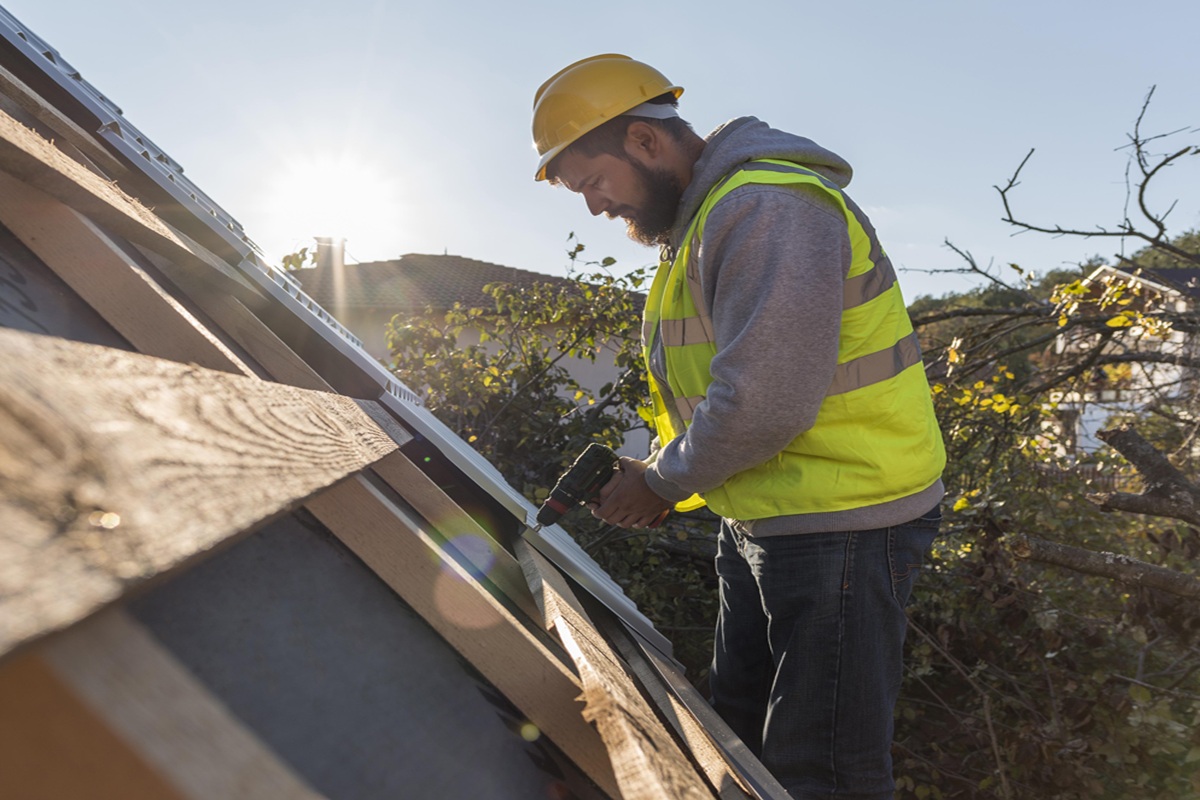
What to look for in a roofing professional includes proper licensing, comprehensive insurance, and a solid reputation backed by genuine customer reviews. Experience with your specific roof type matters too someone who specialises in tile roofs might not be the best choice for metal roofing repairs.
Conclusion
The key takeaway here is simple: proactive maintenance and timely roof restoration save you money and stress in the long run. Don’t wait for a leak to appear in your living room ceiling before giving your roof the attention it deserves. Regular inspections and prompt repairs protect your home’s structure, maintain your property value, and keep energy costs under control.
Make roof care a priority rather than an afterthought. Schedule that inspection you’ve been putting off, address any issues promptly, and consider professional roof restoration if your roof’s showing its age. Your home and your wallet will thank you for it.