You’re certainly not alone. Many Australians put off visiting an optometrist until something feels genuinely wrong. But here’s the thing your eyes often send subtle signals long before problems become serious. Regular eye check-ups aren’t just about getting a new pair of glasses. They’re a vital part of looking after your overall health. In fact, a thorough eye examination can pick up early signs of conditions like diabetes, high blood pressure, and even certain cancers.
In this article, we’ll walk you through the key warning signs that mean it’s time to book an appointment with your optometrist. We’ll cover everything from everyday struggles like struggling to read small print, to more urgent symptoms that need immediate attention. Plus, we’ll explore how often you should really be getting your eyes tested based on your age and lifestyle. Whether you’re experiencing changes in your vision or simply wondering when your last eye test was, this guide will help you take charge of your eye health today.
Understanding the Difference: Optometrist vs Ophthalmologist vs Optician
Before we get stuck into the warning signs, let’s clear up some confusion. Many people use these terms interchangeably, but they describe quite different roles.
What Does an Optometrist Do?
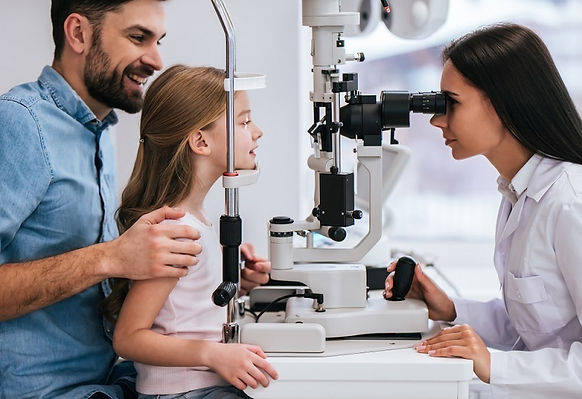
An optometrist is your go-to professional for routine eye care. They’re qualified to perform comprehensive eye examinations, prescribe glasses and contact lenses, and detect eye diseases. In Australia, optometrists can also prescribe certain medications for eye conditions and refer you to specialists when needed. Think of them as your primary eye care provider the first port of call for most vision concerns.
When Should You See an Ophthalmologist Instead?
An ophthalmologist is a medical doctor who specialises in eye and vision care. They can do everything an optometrist does, plus perform eye surgery and treat complex eye diseases. Your optometrist will refer you to an ophthalmologist if you need surgical treatment or have a condition requiring specialist medical care. An optician, on the other hand, is the person who fits and dispenses your glasses based on the prescription from your optometrist or ophthalmologist.
Key Warning Signs You Shouldn’t Ignore
Your eyes have clever ways of telling you when something’s not quite right. Learning to recognise these signals can make a real difference to your long-term eye health.
Changes in Your Vision
Blurry vision that comes and goes is one of the most common reasons people book an eye test. If you’re noticing things aren’t as sharp as they used to be particularly when reading or driving it’s worth getting checked out. This fluctuating blurriness could indicate anything from dry eyes to early signs of diabetes.
Sudden loss of vision in one or both eyes is a medical emergency. If this happens to you, don’t wait seek immediate medical attention. This could indicate a retinal detachment or stroke, both of which require urgent treatment.
Physical Symptoms Around Your Eyes
Frequent headaches and eye strain are often dismissed as stress or tiredness. However, if you’re getting headaches regularly, especially after reading or screen work, your eyes might be working overtime to compensate for an uncorrected vision problem.
Red, itchy, or irritated eyes that won’t clear up deserve attention. While occasional redness from allergies or tiredness is normal, persistent irritation could indicate infection, dry eye syndrome, or other conditions needing treatment.
Everyday Struggles That Signal a Problem
Are you squinting more than usual? Squinting temporarily improves focus by reducing the amount of light entering your eye. If you’re doing it constantly, your prescription likely needs updating.
Trouble adjusting between near and far distances becomes more common as we age, but it can affect anyone. If switching focus from your computer to a colleague across the room takes longer than it used to, your eyes could use some professional attention.
How Do I Know If I Need Glasses or Contact Lenses?
The signs your prescription has changed are often subtle. You might notice increased fatigue after reading, difficulty recognising faces from a distance, or needing brighter light for close work. Some people experience neck pain or headaches from unconsciously adjusting their posture to see better.
During a comprehensive eye exam, your optometrist will check your visual acuity, assess how your eyes work together, examine the health of your eyes inside and out, and test for conditions like glaucoma. The whole process typically takes around 20 to 30 minutes, and it’s completely painless.
Age-Related Eye Health: When to Book Based on Life Stage
Children and Teenagers
Kids should have their first eye exam before starting school, around age four or five. Children often don’t realise they can’t see properly because they assume everyone sees the same way. Watch for signs like sitting too close to the television, losing their place while reading, or avoiding activities that require good distance vision.
Adults Aged 20 to 40
If you’ve got no existing eye conditions and enjoy good vision, an eye test every two years is generally recommended. However, if you wear glasses or contacts, annual check-ups help keep your prescription current.
Adults Over 40: Presbyopia and Beyond
Welcome to the club where reading menus becomes an extreme sport. Presbyopia the gradual loss of your eyes’ ability to focus on nearby objects is a normal part of ageing. From 40 onwards, annual eye exams become increasingly important as your risk of conditions like glaucoma and macular degeneration rises.
Seniors and Age-Related Conditions
For those over 65, yearly eye examinations are essential. Age-related eye diseases often develop without obvious symptoms in the early stages, making regular screening crucial for early detection and treatment.
Do I Need an Eye Test If I Have No Symptoms?
Absolutely. Many serious eye conditions including glaucoma, diabetic retinopathy, and macular degeneration develop gradually without noticeable symptoms until significant damage has occurred. By the time you notice something’s wrong, permanent vision loss may have already happened.
Preventative eye care is about catching problems early when treatment is most effective. Think of it like a dental check-up you don’t wait until you’ve got severe toothache to see the dentist.
Special Circumstances: When to See an Optometrist Sooner
Certain situations mean you should book an eye test sooner rather than later:
-
Managing diabetes: Diabetic retinopathy is a leading cause of blindness in Australian adults. Annual eye exams are essential for anyone with diabetes.
-
Family history of glaucoma or macular degeneration: Your risk increases significantly with family history. More frequent monitoring helps catch changes early.
-
After an eye injury or trauma: Even minor injuries should be assessed to rule out damage that isn’t immediately apparent.
-
If you work with screens all day: Digital eye strain is increasingly common. Regular exams help manage symptoms and keep your prescription optimised.
What Happens During an Eye Examination?
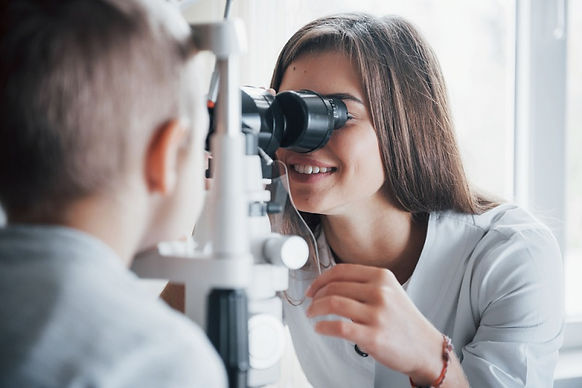
Your optometrist will perform several tests, including visual acuity (the letter chart), refraction assessment (determining your prescription), eye pressure measurement, and detailed examination of your eye structures. They’ll check your peripheral vision and assess how well your eyes work together.
Most comprehensive eye exams take between 20 and 45 minutes, depending on what’s involved.
Can an Optometrist Detect Other Health Problems?
Yes, and this surprises many people. Your eyes provide a unique window into your overall health. During an examination, optometrists can spot early signs of diabetes, high blood pressure, high cholesterol, autoimmune conditions, and even certain cancers. The blood vessels and nerves visible in your eyes often show changes related to systemic health conditions before other symptoms appear.
How Much Does an Eye Test Cost in Australia?
Here’s some good news if you’re an Australian citizen or permanent resident with a Medicare card, you’re eligible for bulk-billed eye examinations. This means a standard eye test can be completely free. Children and pensioners are always eligible, while other adults can access bulk-billed exams every three years (or more frequently if clinically indicated).
Taking Charge of Your Eye Health Today
Your eyes work incredibly hard every single day. From the moment you wake up until you close them at night, they’re processing an astonishing amount of visual information. Looking after them shouldn’t be an afterthought it should be a priority.
We’ve covered a lot of ground today, from the warning signs that mean it’s time to see an optometrist, to understanding how often you should book based on your life stage. The key takeaway? Don’t wait for obvious problems to appear. Many eye conditions develop silently, and regular check-ups are your best defence against preventable vision loss
So, when was your last eye test? If you can’t remember, or if any of the warning signs we’ve discussed sound familiar, now’s the perfect time to pick up the phone and book an appointment. Your future self the one still enjoying clear, comfortable vision will thank you for it. Taking that first step is easier than you might think, and the peace of mind you’ll gain is well worth 30 minutes of your time.