
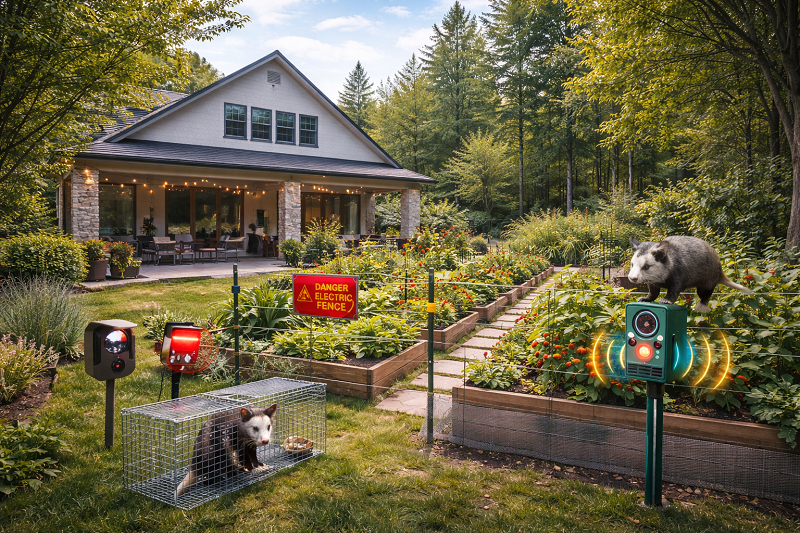
Have you ever been jolted awake at 2 AM by mysterious thumping sounds coming from your roof? Or perhaps you’ve wandered into your garden to find your prized tomatoes half-eaten and scattered across the lawn? If you’re living in Melbourne or anywhere across Victoria, chances are you’ve got a furry nocturnal visitor making themselves right at home on your property.
Possums are a quintessentially Australian challenge. These cute but troublesome marsupials have adapted brilliantly to suburban life, and while they’re protected native wildlife, they can certainly test your patience. From raiding fruit trees to setting up camp in your ceiling cavity, possums know how to make their presence felt. The good news? You don’t have to simply put up with the chaos.
In this guide, we’ll walk you through everything you need to know about possum control in Melbourne and beyond. You’ll discover how to identify which possum varieties are causing you grief, explore DIY deterrent methods that actually work, and learn when it’s time to call in the professionals. We’ll also cover what plants possums hate in Australia, helping you create a garden they’ll want to avoid. Whether you’re dealing with a single curious critter or a full-blown family takeover, you’ll find practical, humane approaches to reclaim your space.
Understanding Why Possums Become a Household Problem
Possums aren’t invading your home out of spite—they’re simply following their instincts. As urban development has expanded across Melbourne and Victoria, natural possum habitats have shrunk considerably. Hollow trees, their preferred nesting spots, are increasingly rare in suburban areas. Your cosy roof cavity? It’s basically a five-star hotel to a possum looking for somewhere warm and safe.
Food availability plays a massive role too. Gardens filled with fruit trees, vegetable patches, and flowering plants are essentially an all-you-can-eat buffet. Possums are opportunistic feeders, and they’re not fussy about whether that apple belongs to you or them.
It’s worth noting that possums are fully protected under Australian law. In Victoria, you cannot harm, kill, or relocate a possum more than 50 metres from where it was caught without proper permits. This legal protection means you’ll need to focus on deterrence and exclusion rather than removal. Understanding this framework is essential before taking any action—getting it wrong can land you with hefty fines.
Possum Varieties: Know What You’re Dealing With
When it comes to possum varieties in Victoria, you’re most likely dealing with one of two species. The common brushtail possum is the larger of the two, weighing up to 4.5 kilograms with a bushy black tail and pointed ears. These are the usual suspects when it comes to roof invasions—they’re bold, territorial, and quite comfortable around humans.
Ringtail possums are smaller, more timid, and prefer to build dreys (leafy nests) in trees rather than moving into your ceiling. They’ve got distinctive, white-tipped tails that curl into a neat ring, and they tend to travel in family groups. Spotting a possum nest in tree branches around your property usually indicates ringtails are nearby.
So how do you tell which one’s visiting? Brushtails are louder, heavier-footed, and often seen alone. They’ll happily stare you down if you catch them mid-snack. Ringtails are shyer, often spotted in pairs or small groups, and they’re quieter overall. Knowing which species, you’re dealing with helps you choose the most effective control strategies.
Signs You Have a Possum Problem
Recognising a possum problem early saves you time, money, and frustration. The most obvious sign is noise—possums are nocturnal, so you’ll hear them most between dusk and dawn. Thumping, scratching, and hissing sounds from your roof or walls are classic giveaways. If you’re hearing what sounds like a small child running laps overhead, a brushtail has likely moved in.
Droppings are another telltale sign. Possum poo looks similar to large olive pits—dark, pellet-shaped, and often found near entry points or along their regular travel routes. You might also notice urine stains on ceilings or walls if they’ve been living in your roof space for a while.
Garden damage is equally revealing. Chewed leaves, missing fruit, and scratched bark on trees all point to possum activity. When does this become a genuine concern? If you’re noticing consistent damage, regular nighttime noise, or actual sightings several times a week, it’s time to take action rather than hoping they’ll move on naturally.
What Plants Do Possums Hate in Australia?
Creating a possum-resistant garden is one of the smartest long-term strategies you can employ. So, what plants do possums hate in Australia? Generally, they avoid anything strongly scented, prickly, or bitter-tasting. Grevilleas, banksias, and bottlebrush are native options that possums typically leave alone. Chrysanthemums, geraniums, and lavender work well too.
Plants that possums don’t eat also include most herbs—think rosemary, mint, and sage. These double as useful kitchen additions while keeping possums at bay. Agapanthus, daffodils, and camellias are other reliable choices that won’t attract unwanted attention.
When planning your garden, consider creating a buffer zone of possum-resistant plants around more vulnerable areas. Surround your veggie patch or fruit trees with strongly scented herbs and spiky shrubs. This won’t guarantee complete protection, but it makes your garden considerably less appealing. Combining plant choices with physical barriers creates a layered defence that’s far more effective than any single approach.
DIY Possum Deterrent Methods
Fancy getting hands-on? A DIY possum tree guard is a brilliant starting point. Wrap smooth metal sheeting around tree trunks, extending at least 60 centimetres above and below any branches possums could use as launch points. They can’t grip the smooth surface, preventing them from climbing up to feast on your fruit.
Possum spikes are another popular option—but do they actually work? Yes and no. Metal or plastic spikes installed along fence tops and roof edges can discourage possums from using these routes. However, determined possums sometimes navigate around them, so they’re best used alongside other methods rather than alone.
What about using mothballs for possums? This old wives’ tale persists, but the reality is disappointing. While possums dislike the smell initially, they quickly become accustomed to it. Plus, mothballs contain naphthalene, which is toxic to pets and children. Mothballs and possums aren’t a reliable solution, and the safety risks outweigh any temporary benefits. Motion-activated lights and sprinklers tend to be more effective and far safer alternatives.
Physical Barriers and Exclusion Techniques
When it comes to protecting fruit trees and vegetable gardens, netting is your best friend. Use wildlife-safe netting with holes smaller than 5mm to prevent possums getting tangled while still keeping them out. Secure it tightly at ground level—possums are crafty and will exploit any gaps.
Securing roof spaces requires a thorough inspection to identify all entry points. Possums can squeeze through surprisingly small gaps, so check for loose tiles, broken vents, and gaps around pipes. Use sturdy wire mesh or metal sheeting to block access—avoid materials they can chew through. Importantly, make sure no possum is trapped inside before sealing everything up.
Fencing options that actually keep possums out need to be at least 1.5 metres high with an outward-facing overhang at the top. Adding floppy netting or a roller bar to the top prevents them from climbing over. Electric fencing designed for wildlife is another option, though it requires proper installation and regular maintenance to remain effective.
When to Call Professional Possum Removal Services
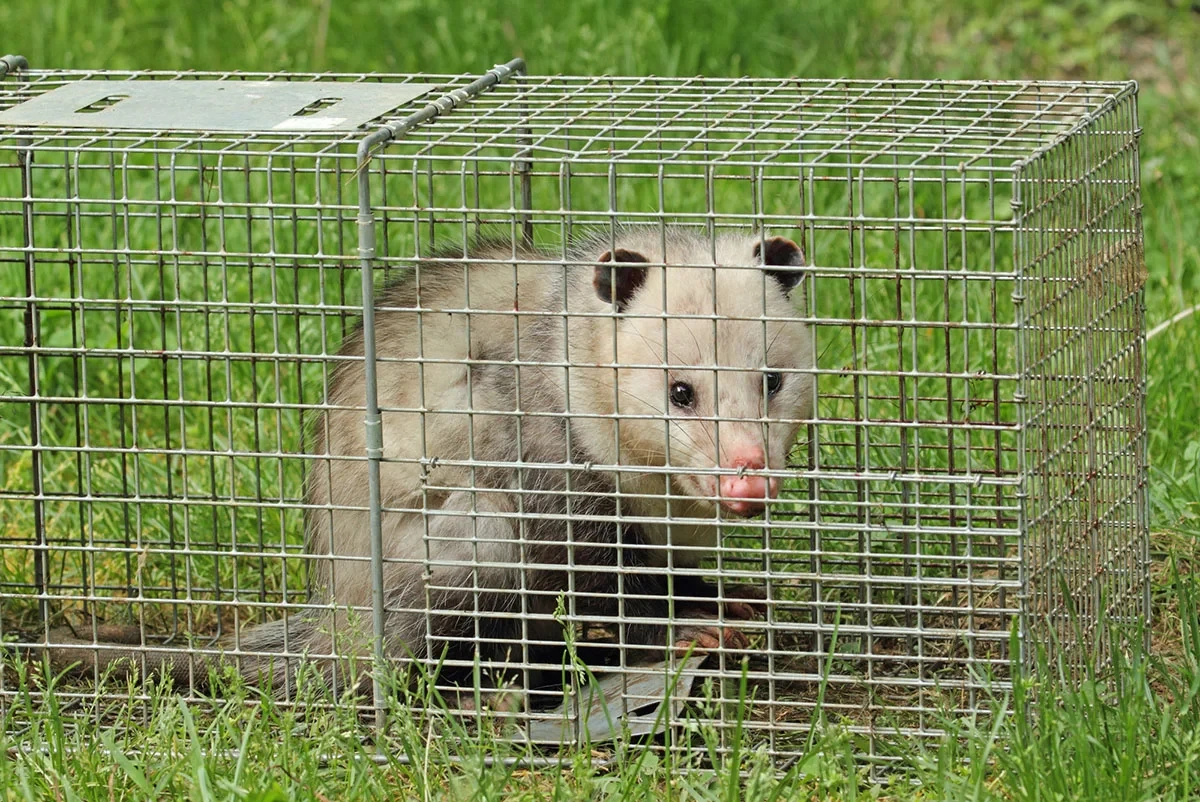
Sometimes DIY methods simply aren’t enough. If you’ve tried multiple approaches without success, or if possums have established themselves in difficult-to-access areas like your roof cavity, professional help makes sense. Possum removal in Melbourne typically involves licensed wildlife controllers who can legally trap and relocate possums within the permitted distance.
For those in regional areas, possum removal Geelong services offer local expertise tailored to the specific challenges of that region. Similarly, possum removal Romsey and other regional Victoria options provide targeted support for country properties where possum problems can be particularly persistent.
Professional possum control involves inspection, humane trapping, and proper sealing of entry points to prevent return visits. Expect to pay anywhere from $150 to $500 depending on the complexity of the job. The investment is worthwhile when you consider the potential damage possums can cause to insulation, wiring, and your sanity.
Humane Possum Management: Best Practices
Legal requirements in Victoria mandate that trapped possums must be released on the same property within 50 metres of capture, after sunset on the day of capture. This might seem counterintuitive, but it prevents possums being dumped in unfamiliar territory where they’re unlikely to survive.
Installing possum boxes provides alternative housing that can draw possums away from your roof. Mount them high in trees, facing away from prevailing winds, and include some bedding material to make them appealing. It takes patience, but many homeowners find possums eventually prefer these purpose-built homes.
Living peacefully alongside possums is genuinely possible. By combining deterrents, physical barriers, and alternative habitats, you can create boundaries that both you and your local wildlife can respect. Remember, possums play important roles in our ecosystem—they spread seeds and help control insect populations.
Creating a Long-Term Possum Control Strategy
Managing possums effectively isn’t about winning a single battle—it’s about establishing sustainable practices that prevent problems from recurring. The most successful approach combines multiple methods: possum-resistant planting, physical barriers, professional help when needed, and alternative habitats that redirect possums away from your living spaces.
Regular property maintenance is essential. Check your roof annually for potential entry points, maintain your garden barriers, and stay vigilant for early signs of possum activity. Addressing small problems promptly prevents them from becoming major headaches.
Ultimately, sharing our suburban spaces with wildlife requires patience and understanding. Possums were here long before our houses were, and with the right strategies, there’s room for everyone. Take what you’ve learned here, apply it consistently, and you’ll find that peaceful coexistence is absolutely achievable. Your roof, your garden, and your sleep schedule will thank you for it.