

Have you ever wondered what it takes to get safe, compliant access to your building’s rooftop? Are you worried about meeting Australian safety standards but not sure where to start? Perhaps you’re planning a roof hatch installation and feeling overwhelmed by the regulations?
You’re not alone. Installing a roof access hatch might seem straightforward, but getting it right involves more than just cutting a hole and fitting a lid. From choosing the correct size to meeting Work Health and Safety requirements, there’s plenty to consider. A poorly installed hatch can lead to water leaks, structural damage, and even serious workplace injuries.
In this guide, we’ll walk you through everything you need to know about installing a roof access hatch that ticks all the compliance boxes. You’ll learn about Australian standards, step-by-step installation techniques, and common pitfalls to avoid. Whether you’re a building owner, facilities manager, or contractor, this article will give you the confidence to tackle your roof access project safely and legally.
What Is a Roof Access Hatch and How Does It Work?
A roof access hatch is essentially a secure entry point that allows people to safely move between the interior of a building and its roof. Think of it as a heavy-duty trapdoor designed specifically for commercial and industrial applications. These hatches provide controlled access for maintenance workers, inspectors, and emergency services.
Types of Roof Access Hatches Available in Australia
Australian suppliers offer several roof hatch varieties to suit different needs. Standard hatches work well for basic maintenance access, while thermally insulated models help maintain building energy efficiency. You’ll also find security hatches with lockable mechanisms and automatic hatches featuring gas struts or electric operators.
For buildings requiring regular heavy equipment access, larger equipment hatches are available. Some sites need smoke ventilation hatches that double as emergency release points. Your choice depends on factors like climate, security requirements, and how frequently the hatch will be used.
Key Components of a Roof Hatch System
Every roof hatch system includes several essential parts working together. The frame sits within the roof opening and provides structural support. The lid or cover opens and closes, typically featuring weatherproofing seals. Gas struts or spring mechanisms assist with lifting the heavy lid safely.
Additional components include locking hardware, safety rails or grab handles, and flashing to integrate with your existing roof membrane. Many compliant installations also require fall protection equipment mounted nearby, such as anchor points or guardrails around the hatch opening.
Understanding Australian Safety Compliance Requirements
Getting your roof access hatch installation right means understanding the regulatory landscape. Australia takes workplace safety seriously, and roof access is no exception. Ignorance isn’t a defence when inspectors come knocking.
Work Health and Safety Regulations for Roof Access
Under Australian WHS laws, anyone responsible for a workplace must provide safe access to all areas where work occurs. This includes rooftops. The regulations require employers to identify hazards, assess risks, and implement control measures. Falls from height remain one of Australia’s biggest workplace killers.
Your roof hatch installation forms part of a broader safe access system. This means considering not just the hatch itself, but also how workers reach it, what happens when they emerge onto the roof, and how they’ll be protected from falls.
Australian Standards for Roof Hatches (AS 1657)
AS 1657 is your go-to standard for fixed platforms, walkways, stairways, and ladders. This standard specifies minimum requirements for safe access to roofs and other elevated areas. It covers everything from opening sizes to ladder specifications and guardrail heights.
Compliance with AS 1657 isn’t optional for commercial buildings. The standard requires roof hatches to have minimum clear openings of 600mm x 600mm, though 750mm x 750mm is more common and practical. Ladders must meet specific angle and rung spacing requirements.
What Are the Legal Requirements for Roof Access in Australia?
Beyond AS 1657, various state and territory regulations apply. Building codes require compliant roof access for maintenance purposes. Safe Work Australia guidelines outline risk management approaches. Local council requirements may also influence your installation.
Building owners carry legal responsibility for providing safe roof access. This duty extends to contractors, maintenance workers, and anyone else who legitimately needs rooftop access. Failing to meet requirements can result in hefty fines and, worse, serious injuries or fatalities.
Planning Your Roof Access Hatch Installation
Proper planning prevents poor performance and potential compliance failures. Before you pick up any tools, invest time in getting your specifications right.
How Do I Know What Size Roof Hatch I Need?
Size matters when it comes to roof hatches. The minimum compliant opening is 600mm x 600mm, but this barely allows a person to climb through comfortably. Most professionals recommend 750mm x 900mm or larger for regular maintenance access.
Consider what equipment might need to pass through the hatch. HVAC technicians often carry bulky tools. If you’re installing rooftop solar panels or mechanical equipment, you might need an even larger opening. Think about future needs, not just current requirements.
Choosing the Right Location for Your Roof Hatch
Location affects both safety and practicality. Position your hatch away from roof edges to reduce fall risks. Ensure there’s adequate headroom below for a compliant ladder installation. Consider proximity to the areas requiring regular maintenance.
Structural factors also matter. The opening needs adequate support, so avoid cutting through major structural elements. Consult with a structural engineer if you’re unsure about your roof’s load-bearing capacity.
Tools and Materials Required for Installation
Gather your materials before starting. You’ll need the hatch unit itself, appropriate fixings, flashing materials, and sealant. Tools typically include a circular saw or reciprocating saw, drill, measuring tape, spirit level, and safety equipment.
Don’t forget personal protective equipment. Working at height requires harnesses, anchor points, and possibly scaffolding or elevated work platforms. Having everything ready makes the installation smoother and safer.
Step-by-Step Guide: How to Install a Roof Access Hatch
Now for the hands-on part. Follow these steps carefully to achieve a compliant, weatherproof installation.
Preparing the Roof Opening
Start by marking your opening accurately on the roof surface. Double-check measurements against your hatch specifications. Cut the opening carefully, supporting any roofing materials to prevent damage. Remove insulation and any obstructions from the opening area.
Reinforce the opening edges with timber framing if required. This curb provides a mounting surface for your hatch frame and helps with weatherproofing.
Fitting the Roof Hatch Frame
Position the frame within the prepared opening. Check it’s level using a spirit level—an unlevel frame causes operational problems and potential water ingress. Secure the frame using appropriate fixings for your roof type.
Securing and Sealing the Hatch
Apply weatherproof sealant around the frame perimeter. Install flashing to integrate with your existing roof membrane. This step is critical for preventing leaks. Test the lid operation and adjust gas struts if necessary.
Installing Safety Features and Hardware
Fit grab handles, safety posts, and any required fall protection hardware. Install the ladder below the hatch according to AS 1657 requirements. Add signage indicating roof access procedures and any restrictions.
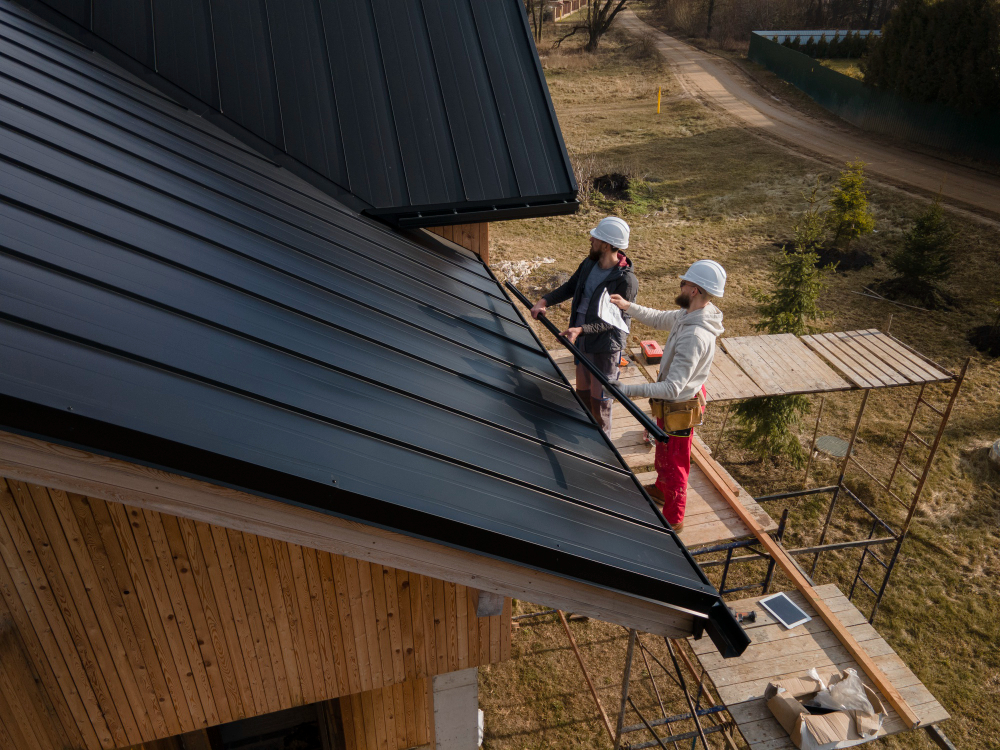
Do I Need a Professional to Install a Roof Access Hatch?
This question comes up frequently, and the answer depends on several factors.
DIY Installation vs Hiring a Licensed Installer
Competent individuals with construction experience can potentially install simpler hatches. However, compliance requirements make professional installation advisable for most commercial applications. Professionals understand the standards and can certify their work.
When to Call a Professional
Call a professional if you’re uncertain about structural requirements, waterproofing techniques, or compliance standards. Complex roof types, large openings, or integrated fall protection systems definitely warrant expert involvement.
Maintaining Your Roof Access Hatch for Ongoing Compliance
How Often Should a Roof Hatch Be Inspected?
Inspect hatches at least annually, with additional checks after severe weather events. Document all inspections as part of your compliance records.
Signs Your Roof Hatch Needs Repair or Replacement
Watch for water staining below the hatch, difficult operation, damaged seals, or corroded components. Address issues promptly to maintain compliance and prevent costly damage.
Ensuring Safe and Compliant Roof Access
Installing a roof access hatch correctly protects your workers, satisfies legal requirements, and prevents costly building damage. From understanding AS 1657 requirements to executing a weatherproof installation, each step matters.
The key takeaway? Don’t cut corners. A compliant roof hatch installation involves proper planning, quality materials, and attention to safety features. When in doubt, engage professionals who understand Australian standards and can certify their work.
Your building’s roof access system reflects your commitment to workplace safety. Get it right from the start, maintain it properly, and you’ll have reliable, compliant roof access for years to come. Ready to begin your project? Start by consulting with a qualified installer who knows Australian requirements inside and out.