
Have you ever wondered what stops a small electrical spark from turning into a devastating fire? Or why your office furniture doesn’t go up in flames the moment it encounters heat? What exactly keeps passengers safe when travelling by plane, train, or car?
The answer lies in flame retardant products—specialised chemicals and materials that slow down or prevent the spread of fire. These unsung heroes of fire safety are everywhere around us, yet most people rarely give them a second thought. From the walls of your home to the wiring in your smartphone, flame retardants play a vital role in keeping us safe every single day.
In this article, we’ll explore the major industries that rely on flame retardant products to protect people, property, and infrastructure. You’ll discover how these materials work, which sectors depend on them most heavily, and what’s driving the shift towards safer, non-halogenated flame retardants. Whether you’re a business owner looking for fire retardant suppliers or simply curious about fire safety, you’re in the right place.
Understanding Flame Retardants and Why They Matter
What Is the Meaning of Retardant?
So, what does “retardant” actually mean? In simple terms, a retardant is any substance that slows down or inhibits a particular process. When we talk about flame retardants specifically, we’re referring to chemicals that reduce the flammability of materials.
Think of it like this: a flame retardant acts as a barrier between a material and fire. It doesn’t make something completely fireproof, but it significantly delays ignition and slows the spread of flames. This extra time can be the difference between a minor incident and a major disaster.
How Do Flame Retardants Work to Prevent Fires?
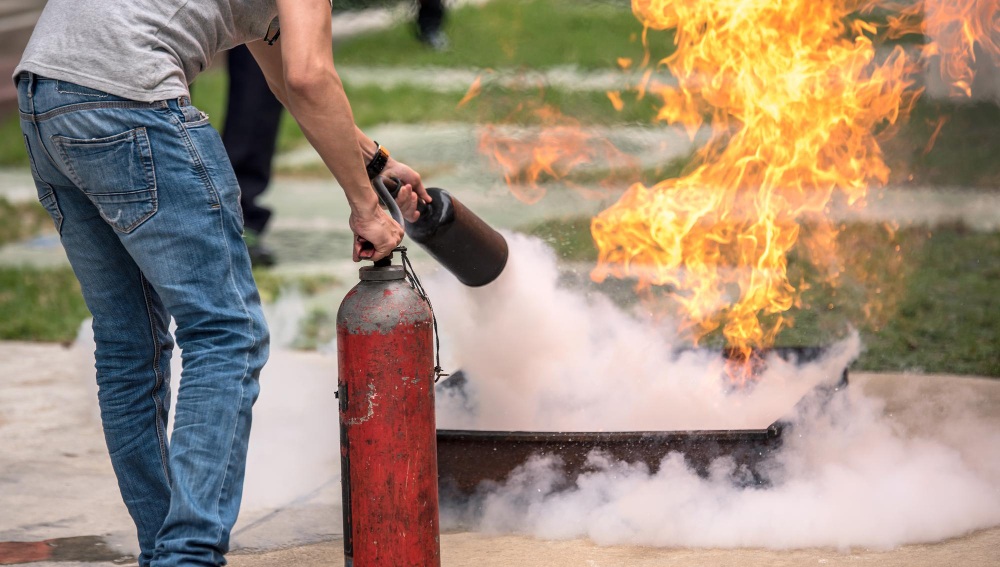
Flame retardants work through several clever mechanisms. Some release water when heated, cooling the material below its ignition point. Others form a protective char layer on the surface, blocking oxygen from reaching the flames. Certain types interfere with the chemical reactions that occur during combustion.
The specific approach depends on the type of flame retardant used and the material it’s protecting. Fire retardant manufacturers carefully formulate their products to match specific applications, ensuring maximum effectiveness without compromising the material’s other properties.
The Construction and Building Industry
Flame Retardant Products in Australian Building Materials
The construction sector is one of the biggest consumers of flame retardant products. From insulation and cladding to structural timbers and interior finishes, builders incorporate these materials throughout modern structures.
Australian building codes require specific fire safety measures, particularly for commercial and multi-storey residential buildings. Flame retardants help materials meet these strict requirements while maintaining their structural integrity and aesthetic appeal.
Meeting Fire Safety Standards and Regulations
Building regulations in Australia are quite specific about fire resistance ratings. Materials must undergo rigorous flame retardant test procedures to verify their performance. These tests measure factors like ignition time, flame spread rate, and smoke production.
Construction companies work closely with fire retardant companies to source materials that meet or exceed these standards. Getting it wrong isn’t an option—the consequences for occupant safety and legal compliance are simply too significant.
Why Do Builders Choose Specific Fire Retardant Suppliers?
Builders don’t just pick any supplier off the shelf. They look for flame retardant suppliers who can provide consistent quality, proper certifications, and technical support. A reliable supplier understands local regulations and can recommend the right products for each application.
Long-term relationships with trusted suppliers also make project planning easier. When you know exactly what performance levels to expect, you can design with confidence.
The Electrical and Electronics Industry
Protecting Wiring, Cables, and Circuit Boards
Electrical fires are a genuine concern in homes and businesses alike. That’s why the electronics industry relies heavily on flame retardants to protect components that generate heat or carry electrical current.
Circuit boards, cable insulation, and plastic housings all benefit from flame-resistant properties. Without these protections, a single short circuit could trigger a fire that spreads rapidly through connected equipment.
Are Flame Retardants Safe in Household Electronics?
This is a question many consumers ask, and rightly so. The good news is that modern flame retardant manufacturers have developed much safer options than those used decades ago.
Today’s electronics increasingly use non-halogenated flame retardants, which don’t release toxic gases when heated. These newer formulations provide excellent fire protection without the health concerns associated with older chemical treatments.
The Role of Non-Halogenated Flame Retardants in Modern Devices
The shift towards non-halogenated flame retardants represents a significant step forward for the industry. These products avoid the use of bromine and chlorine compounds, which have raised environmental and health questions.
Major electronics manufacturers now specify non-halogenated options in their supply chains. This trend is pushing flame retardant manufacturers to innovate and develop even more effective, environmentally friendly alternatives.
The Textile and Furniture Industry
Flame Retardant Fabrics for Commercial and Residential Use
Soft furnishings present a particular fire risk because fabrics can ignite quickly and spread flames rapidly. That’s why flame retardant fabrics are essential for upholstery, curtains, carpets, and bedding in many settings.
Hotels, hospitals, and aged care facilities typically require fire-resistant textiles throughout their premises. Even in residential settings, flame retardant treatments provide an extra layer of protection for families.
What Industries Require Fire-Resistant Textiles?
Beyond hospitality and healthcare, numerous sectors rely on flame retardant fabrics. These include:
- Aviation and marine transport
- Theatre and entertainment venues
- Schools and universities
- Government buildings
- Correctional facilities
Each setting has specific requirements based on occupancy levels and evacuation challenges. Fire retardant suppliers work with these industries to provide appropriate products.
How Is the Flammable Retardant Test Conducted on Fabrics?
Testing flame retardant fabrics involves exposing samples to controlled flame sources and measuring their response. Technicians assess factors like ignition time, burn rate, and whether the fabric self-extinguishes.
Australian standards specify exact testing procedures that fabrics must pass before they can be certified as flame retardant. Reputable suppliers provide documentation proving their products meet these benchmarks.
The Transportation Industry
Automotive, Aviation, and Rail Applications
From cars to aircraft to trains, the transportation industry demands exceptional fire safety standards. Passengers are often in enclosed spaces with limited escape routes, making flame resistance absolutely critical.
Interior components like seats, headliners, and carpeting must all meet strict flammability requirements. Even the plastic trim pieces around dashboards and door panels incorporate flame retardant materials.
Why Do Vehicles Require Flame Retardant Materials?
Vehicles combine several fire risk factors: electrical systems, fuel, heat-generating engines, and confined spaces. A fire that starts small can become deadly within minutes.
Flame retardant materials buy precious time for passengers to escape and for emergency services to respond. They also help prevent fires from reaching fuel systems, which could cause catastrophic outcomes.
Working with Flame Retardant Manufacturers for Custom Solutions
Transportation manufacturers often need specialised flame retardant formulations. A material that works perfectly in a building might not suit the weight restrictions or temperature ranges vehicles encounter.
This is where close collaboration with flame retardant manufacturers becomes valuable. Custom solutions balance fire protection with durability, weight, and cost considerations specific to each application.
The Mining and Resources Sector
Fire Safety Challenges in Australian Mining Operations
Mining operations face unique fire safety challenges. Underground mines combine flammable materials like coal dust, hydraulic fluids, and electrical equipment in confined spaces. Surface operations deal with fuel storage, heavy machinery, and remote locations far from fire services.
Flame retardant products protect everything from conveyor belts to electrical cables to personnel protective equipment. The stakes are incredibly high—mine fires can trap workers and cause devastating casualties.
Selecting the Right Fire Retardant Companies for High-Risk Environments
Mining companies must choose fire-retardant companies with experience in extreme conditions. Products need to withstand dust, moisture, vibration, and temperature fluctuations while maintaining their protective properties.
Reputable suppliers understand mining regulations and can provide products tested to relevant standards. They also offer technical support for proper installation and maintenance.
The Oil, Gas, and Energy Industry
Protecting Infrastructure from Fire Hazards
The energy sector handles incredibly flammable materials every day. Refineries, pipelines, and storage facilities require comprehensive fire protection strategies, with flame-retardant products forming a key component.
Protective coatings on structural steel can prevent collapse during fires, giving workers time to evacuate and firefighters time to respond. Cable insulation prevents electrical fires from spreading through facilities.
Are There Non-Toxic Alternatives to Traditional Flame Retardants?
The push for safer alternatives has reached the energy sector as well. Companies are increasingly seeking non-toxic flame-retardant options that don’t compromise on performance.
Newer formulations use mineral-based compounds or other less harmful chemistries. These products meet fire safety requirements while reducing environmental and health impacts during production, use, and disposal.
Are Toxic Flame Retardants Still Used in Industry?
The Shift Towards Safer, Non-Halogenated Flame Retardants
Historically, some flame retardants contained chemicals that raised serious health and environmental concerns. These toxic flame retardants have been phased out in many applications, though some remain in use where alternatives aren’t yet available.
The industry is actively transitioning to safer options. Non-halogenated flame retardants now dominate many market sectors, driven by regulations, consumer pressure, and genuine concern from manufacturers.
What Makes a Flame Retardant Non-Flame Retardant or Less Harmful?
The difference lies in the chemical composition. Traditional halogenated flame retardants rely on bromine or chlorine compounds, which can persist in the environment and accumulate in living organisms.
Safer alternatives use phosphorus, nitrogen, or mineral-based chemistries. These non-flame retardant alternatives (meaning they don’t rely on the older, harmful formulations) break down more readily and pose fewer health risks.
How to Choose the Right Flame Retardant Suppliers for Your Industry
Questions to Ask Fire Retardant Manufacturers
When selecting flame-retardant suppliers, consider asking:
- What certifications do your products hold?
- Can you provide technical data sheets and safety information?
- Do you offer non-halogenated options?
- What support do you provide for installation and compliance?
A good supplier welcomes these questions and provides clear, detailed answers.
Understanding Flame Retardant Test Certifications
Certifications matter enormously in this industry. Look for products tested to relevant Australian standards and independently verified by accredited laboratories.
Reputable fire retardant manufacturers invest in comprehensive testing and maintain proper documentation. This protects your business and ensures genuine fire protection for your applications.
The Future of Flame Retardant Products Across Industries
Flame-retardant products touch nearly every aspect of modern life, from the buildings we occupy to the vehicles we travel in. The industries explored in this article—construction, electronics, textiles, transportation, mining, and energy—all depend on these materials to protect people and property.
The good news is that the industry continues to evolve. Fire retardant companies are developing safer, more effective products that provide excellent fire protection without the environmental and health concerns of older formulations. Non-halogenated flame retardants are becoming the standard rather than the exception.
If your business operates in any of these sectors, choosing the right flame-retardant suppliers and manufacturers is crucial. Look for partners who understand your specific requirements, provide properly certified products, and offer genuine technical support. Your fire safety strategy deserves nothing less than the best available products and expertise.