
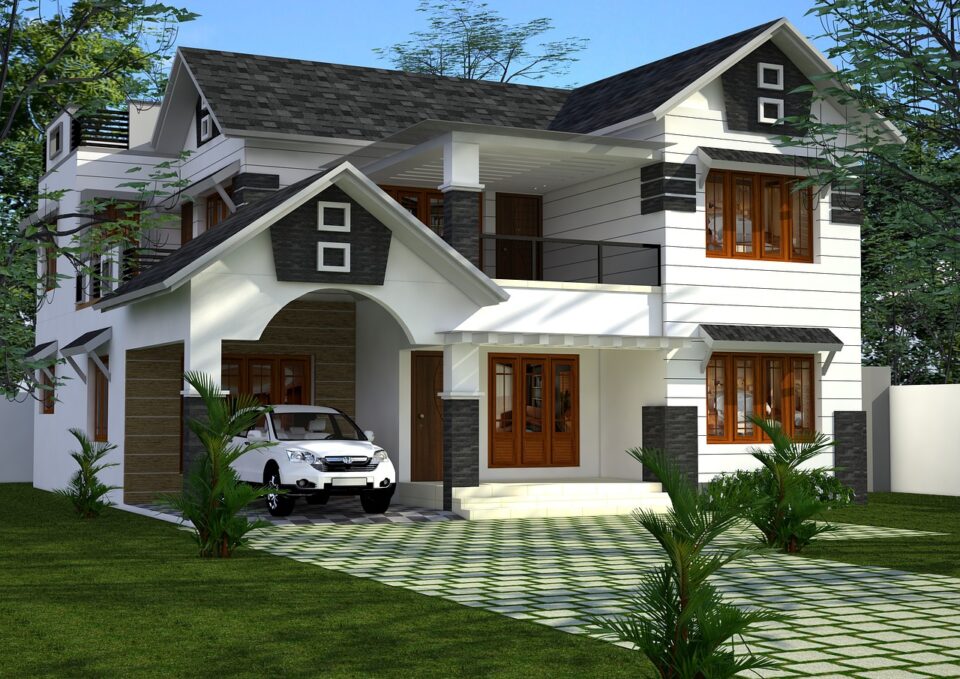
Have you ever walked into a home that just *feels* right? One where every room flows naturally into the next, where light pours in at precisely the right angles, and where you can’t quite put your finger on why it all works so beautifully? What if your own home could feel that way?
An architecturally designed home goes far beyond standard project builds. It’s a bespoke creation, tailored to your lifestyle, your block, and your vision. These homes consider everything from how your family moves through spaces to how the Australian sun tracks across your site throughout the year. Rather than fitting your life into a predetermined floor plan, an architect-designed home shapes itself around you.
In this article, we’ll explore the strategies that make architect-led design so compelling. You’ll discover how professionals assess challenging sites, balance stunning aesthetics with everyday functionality, and create homes that work brilliantly for Australian conditions. We’ll also cover sustainable design principles, indoor-outdoor integration, and the practical matters of budgeting and approvals. Whether you’re just beginning to dream or ready to break ground, these insights will help you understand what’s truly possible with expert architectural guidance.
Understanding Your Site And Environment
Every great architecturally designed home starts with a thorough site assessment. Australian architects don’t just look at your block’s dimensions—they study its orientation, existing vegetation, neighbouring buildings, and even prevailing winds. This comprehensive analysis forms the foundation of every design decision that follows.
Working With Challenging Blocks
Slopes, narrow lots, and irregular shapes often intimidate homeowners, but experienced architects see these as opportunities rather than obstacles. A steeply sloping site might become a stunning split-level home with dramatic views. A narrow inner-city lot could transform into a light-filled sanctuary with clever internal courtyards. The key lies in creative problem-solving that turns limitations into distinctive features.
Maximising Natural Light And Ventilation
Nothing transforms a home quite like natural light. Architects carefully position windows, skylights, and openings to capture sunlight while avoiding harsh afternoon glare. Cross-ventilation strategies reduce reliance on air conditioning, making homes more comfortable and cost-effective. In Queensland, this might mean elevated designs catching coastal breezes, while Melbourne homes could focus on northern glazing to capture winter warmth.
Balancing Aesthetics With Functionality
A beautiful home that doesn’t work for daily life is ultimately a failure. The best architect designed homes achieve something remarkable—they’re visually stunning while remaining completely practical for real families.
Creating Spaces For Modern Australian Families
Today’s families need flexible spaces that adapt throughout the day. A kitchen might serve as homework central in the afternoon, an entertaining hub on weekends, and a quiet breakfast nook during weekday mornings. Architects design with these shifting needs in mind, creating zones within open spaces that accommodate multiple activities without feeling cramped or chaotic.
Open-Plan Living Versus Defined Zones
The open-plan revolution brought wonderful connectivity, but it’s not right for every family. Some households benefit from defined spaces—a quiet study for working from home, a separate lounge for teenagers, or a formal dining room for extended family gatherings. The best approach often combines both philosophies, offering openness where it enhances daily life and privacy where it’s genuinely needed.
How Do You Make A Home Feel Both Luxurious And Liveable?
Luxury isn’t about marble everywhere and gold taps. True luxury comes from thoughtful details—door handles that feel substantial, storage that actually works, acoustic separation between bedrooms and living areas. It’s the difference between a home that photographs beautifully and one that genuinely improves your daily experience.
Sustainable Design Strategies
Sustainability isn’t just an add-on feature for modern architect designed homes—it’s woven into the fundamental design approach. Getting this right from the start saves money, improves comfort, and reduces environmental impact for decades.
Passive Solar Design Principles
Passive solar design uses the sun’s energy intelligently without mechanical systems. In most Australian climates, this means positioning living areas to the north, incorporating appropriate eave depths that shade summer sun while admitting winter light, and using thermal mass materials that absorb and release heat gradually. Done well, passive solar principles can dramatically reduce heating and cooling costs.
Material Selection For Longevity
Sustainable architecture considers the entire lifecycle of materials. Locally sourced timber might travel fewer kilometres than imported alternatives. Durable materials require less frequent replacement. Recyclable or biodegradable options reduce eventual landfill impact. Beyond environmental concerns, quality materials simply age more gracefully, looking better year after year rather than deteriorating.
Integrating Indoor And Outdoor Living
Australians famously love outdoor living, and architect designed homes excel at blurring boundaries between inside and out. This integration dramatically increases usable living space while connecting occupants with nature.
Seamless Transitions
The magic happens at the threshold. Bi-fold doors that stack completely away, consistent flooring materials flowing from inside to out, and aligned ceiling heights create the impression of one continuous space. When done thoughtfully, you’ll forget where indoors ends and outdoors begins.
Designing For Australian Climate And Lifestyle
Effective outdoor entertaining spaces need protection from harsh sun, shelter from sudden rain, and screening from wind. Architects consider these factors alongside views, privacy, and connection to indoor cooking areas. The result? Outdoor rooms that genuinely get used year-round, not just on perfect autumn afternoons.
Customisation And Future-Proofing
Perhaps the greatest advantage of an architecturally designed home is its ability to respond precisely to your unique circumstances. No more compromising on layouts designed for hypothetical families.
Tailoring Design To Your Needs
Maybe you need a home recording studio, accessible design for ageing parents, or dedicated space for a serious art collection. Perhaps your family includes shift workers who sleep during the day or children with specific sensory needs. An architect can respond to these requirements with solutions you’d never find in standard designs.
Designing For Life Changes
Smart architects think beyond your current situation. Children grow up and leave—could their bedrooms eventually become a home office or guest suite? Might you want to add a granny flat later? Designing with future flexibility in mind prevents costly renovations down the track and extends your home’s relevance throughout your life stages.
Navigating Design And Approval Processes
Understanding the journey from initial concept to construction approval helps manage expectations and ensures a smoother experience overall.
Working Collaboratively With Your Architect
The best outcomes emerge from genuine collaboration. Be honest about your budget, lifestyle, and priorities. Share images of spaces you love—even if you can’t articulate why. Ask questions whenever something’s unclear. Your architect brings technical expertise, but you bring irreplaceable knowledge about your family’s needs.
Understanding Council Regulations
Planning permits and council regulations vary significantly across Australian municipalities. Experienced local architects understand these requirements intimately, designing within constraints while advocating for sensible variations where appropriate. This knowledge prevents costly redesigns and approval delays.
How Long Does It Take?
A thorough design process typically takes four to eight months before construction begins. Complex sites, heritage overlays, or extensive custom features extend this timeline. Rushing design rarely saves time overall—decisions made hastily during design often cause expensive changes during construction.
Budgeting And Cost Considerations
How Much Does an Architecturally Designed Home Cost?
In Australia, architect designed homes typically cost between $3,000 and $6,000 per square metre for construction, depending on complexity, finishes, and location. Architectural fees generally range from 8-15% of construction costs. While this exceeds project home pricing, the result is incomparably more tailored to your needs.
Where To Invest And Where To Save
Focus spending on permanent elements—structural quality, insulation, window placement, and spatial design. These fundamentals can’t easily change later. Fixtures, finishes, and landscaping can always be upgraded over time. A smaller, brilliantly designed home often serves families better than a larger, poorly considered one.
Conclusion
An architecturally designed home represents a fundamentally different approach to creating living spaces. Rather than adapting your life to predetermined layouts, you gain a home that genuinely responds to how you live, work, and relax.
The strategies we’ve explored—thoughtful site analysis, balanced functionality, sustainable principles, indoor-outdoor integration, and personalised customisation—combine to create something project builders simply cannot replicate. Yes, the investment is greater, both financially and in terms of time and personal involvement. But the payoff lasts decades.
If you’re considering building, take time to consult with registered architects in your area. Even an initial conversation can reveal possibilities you hadn’t imagined. Your future home—one designed specifically for you, your family, and your site—is waiting to be created. Why settle for anything less?