
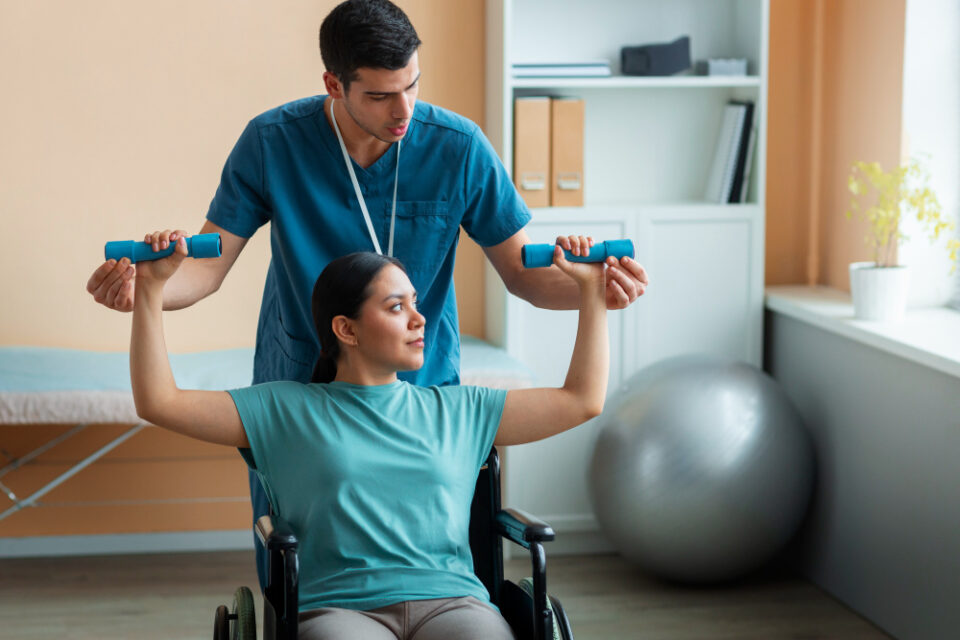
In today’s fast-paced world, maintaining independence and quality of life can be challenging—especially for individuals recovering from injury, managing chronic conditions, or living with disabilities. This is where occupational therapy plays a vital role. Often misunderstood as simply helping people find jobs, occupational therapy is actually a holistic healthcare approach that enables individuals to perform meaningful daily activities with confidence and ease.
Whether it’s helping a child develop motor skills, assisting an adult in recovering after surgery, or supporting elderly individuals in maintaining independence, occupational therapy is a life-changing intervention that empowers people across all age groups.
What Is Occupational Therapy?
Occupational therapy is a client-centered health profession that focuses on helping individuals engage in everyday activities—or “occupations”—that are meaningful to them. These activities can range from basic self-care tasks like dressing and eating to more complex functions such as working, studying, or social participation.
Occupational therapists assess a person’s physical, cognitive, emotional, and environmental challenges and design personalized interventions to improve their ability to perform daily tasks. The ultimate goal is to enhance independence, productivity, and overall well-being.
Who Can Benefit from Occupational Therapy?
One of the greatest strengths of occupational therapy is its versatility. It is beneficial for people of all ages and backgrounds, including:
1. Children and Adolescents
Children with developmental delays, autism, ADHD, or sensory processing disorders can greatly benefit from occupational therapy. Therapists help improve fine motor skills, coordination, attention, and social interaction, enabling children to succeed in school and daily life.
2. Adults Recovering from Injury or Illness
Individuals recovering from strokes, fractures, surgeries, or neurological conditions often face challenges in performing routine tasks. Occupational therapy helps them regain strength, coordination, and independence.
3. Elderly Individuals
As people age, they may experience mobility limitations, memory issues, or chronic conditions. Occupational therapy supports seniors in maintaining independence, preventing falls, and adapting to lifestyle changes.
4. Individuals with Disabilities
People with physical or cognitive disabilities benefit from customized strategies and assistive devices that allow them to live more independently and participate actively in society.
Key Areas of Focus in Occupational Therapy
Occupational therapy addresses multiple aspects of a person’s life. Some key focus areas include:
Physical Rehabilitation
Therapists work on improving strength, balance, coordination, and mobility. This is especially important for individuals recovering from injuries or surgeries.
Cognitive Development
For individuals with brain injuries or neurological conditions, occupational therapy helps improve memory, attention, problem-solving, and decision-making skills.
Sensory Integration
Children and adults with sensory processing issues learn how to respond appropriately to sensory input, improving their ability to function in different environments.
Mental Health Support
Occupational therapy also plays a role in managing stress, anxiety, depression, and other mental health challenges by promoting healthy routines and coping strategies.
Environmental Adaptation
Therapists assess home, school, or workplace environments and suggest modifications to improve accessibility and safety.
Techniques Used in Occupational Therapy
The effectiveness of occupational therapy lies in its personalized approach. Some commonly used techniques include:
- Task-specific training: Practicing real-life activities to improve skills
- Assistive devices: Using tools like adaptive utensils, wheelchairs, or grab bars
- Therapeutic exercises: Strengthening muscles and improving coordination
- Sensory activities: Helping regulate sensory responses
- Cognitive exercises: Enhancing memory and problem-solving abilities
Each therapy plan is tailored to meet the unique needs and goals of the individual.
Benefits of Occupational Therapy
The impact of occupational therapy extends far beyond physical recovery. Some of the key benefits include:
Improved Independence
Patients gain the ability to perform daily activities without assistance, boosting their confidence and self-esteem.
Enhanced Quality of Life
By enabling participation in meaningful activities, occupational therapy improves overall happiness and life satisfaction.
Faster Recovery
Targeted interventions help speed up recovery from injuries, surgeries, or illnesses.
Better Mental Health
Engaging in purposeful activities reduces stress, anxiety, and feelings of isolation.
Increased Safety
Home and workplace modifications reduce the risk of accidents and injuries.
Occupational Therapy in Modern Healthcare
With increasing awareness about holistic healthcare, occupational therapy is gaining recognition as an essential part of treatment plans. It is commonly integrated into hospitals, rehabilitation centers, schools, and community health programs.
The rise of remote healthcare has also led to the growth of teletherapy, making occupational therapy services more accessible than ever before. Patients can now receive guidance and support from the comfort of their homes.
Choosing the Right Occupational Therapist
Finding the right professional for occupational therapy is crucial for achieving the best outcomes. When selecting an occupational therapist, consider the following:
- Qualifications and certifications
- Experience in handling similar conditions
- Personalized approach to treatment
- Communication and comfort level
- Availability of modern tools and techniques
A skilled therapist will not only address physical challenges but also provide emotional support and motivation throughout the recovery journey.
The Future of Occupational Therapy
The future of occupational therapy looks promising, with advancements in technology and research opening new possibilities. Innovations such as virtual reality, robotics, and AI-driven therapy tools are enhancing treatment effectiveness and patient engagement.
Moreover, as awareness grows about mental health and inclusive living, occupational therapy will continue to play a crucial role in promoting independence and well-being across diverse populations.
Conclusion
Occupational therapy is more than just a treatment—it is a pathway to a better, more independent life. By focusing on the unique needs of each individual, it empowers people to overcome challenges and engage in activities that bring meaning and joy to their lives.
Whether you are recovering from an injury, supporting a loved one, or seeking ways to improve daily functioning, occupational therapy offers practical solutions that truly make a difference. Investing in occupational therapy is not just about healing—it’s about reclaiming control, confidence, and quality of life.