
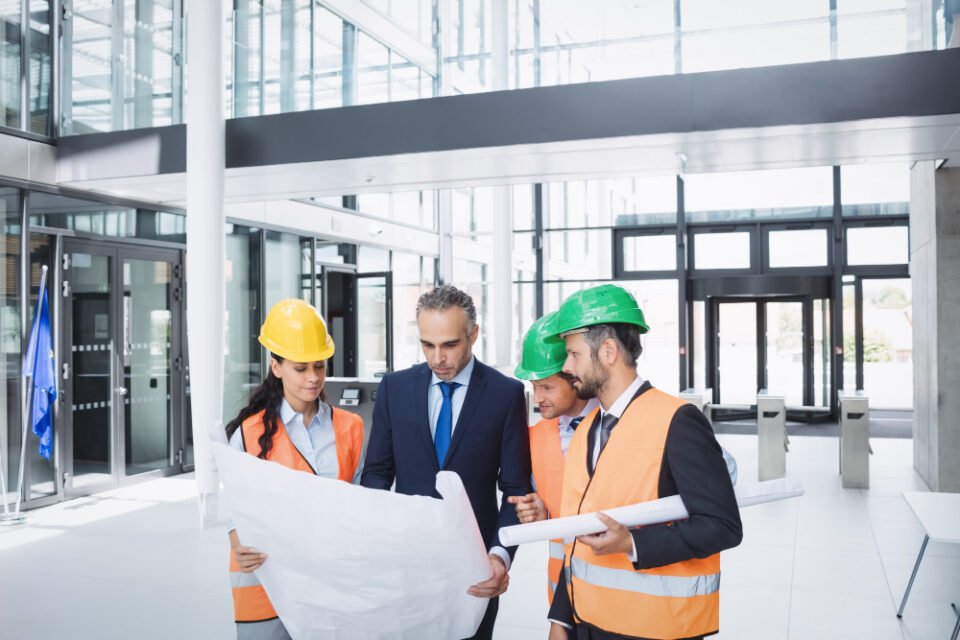
Creating a functional and appealing commercial space requires a deep understanding of design, regulations, construction processes, and long-term operational needs. Businesses rely on well-planned environments to support productivity, improve customer experiences, and enhance overall performance. Behind these successful commercial spaces is the expertise of a commercial builder, whose role is essential in delivering structures that are safe, durable, and tailored to business needs.
A commercial project is significantly more complex than residential construction. It involves larger teams, stricter regulations, specialised materials, and higher performance expectations. From initial planning to the final inspection, a commercial builder manages every step of the process to ensure the project is delivered efficiently and professionally.
This article explores the responsibilities of a commercial builder, why businesses depend on their expertise, and the phases involved in commercial construction. It also highlights the challenges, benefits, and future trends shaping this important field.

Understanding the Role of a Commercial Builder
A commercial builder is a specialist in constructing, renovating, and managing commercial properties. These projects include office buildings, warehouses, retail outlets, hospitality venues, healthcare facilities, and educational institutions. The role goes far beyond overseeing labour on-site. It involves coordinating with architects, engineers, surveyors, subcontractors, and inspectors to ensure every component of the build is executed correctly.
A commercial builder is responsible for evaluating the site, understanding design requirements, arranging permits, creating schedules, organising labour, communicating with all parties involved, and ensuring compliance with structural and safety standards. Their expertise helps reduce risks, prevent delays, and maintain quality throughout the entire project.
Why Businesses Need a Professional Commercial Builder
Commercial construction requires specialised knowledge and experience. Business owners depend on a commercial builder because they understand the complexities associated with non-residential structures. A professional builder ensures that each step aligns with industry regulations and long-term performance needs.
One of the greatest advantages of hiring a skilled commercial builder is their knowledge of compliance and safety standards. Commercial buildings must meet strict codes related to fire protection, emergency access, ventilation, accessibility, electrical systems, and structural integrity. A commercial builder ensures that every component of the project meets these requirements, preventing legal issues and guaranteeing a safe environment for the building’s occupants.
Another reason businesses rely on a commercial builder is their ability to manage large and complex projects. Coordinating many teams and maintaining a clear timeline is crucial in commercial construction. A professional builder ensures that each trade completes its tasks on schedule, materials arrive on time, and disruptions are minimised. Their project management skills keep the entire process running smoothly.
Quality construction is essential for commercial spaces that endure heavy use. A commercial builder ensures durability through the use of appropriate materials, modern construction techniques, and correct installation methods. Their focus on long-term performance means the building will function reliably and maintain its structural integrity for years to come.

Stages of a Commercial Construction Project
Commercial construction unfolds in several key stages. Each stage contributes to the project’s overall success, and every detail must be managed with precision and expertise.
Pre-Construction Planning
This is the foundation of the entire project. The commercial builder begins by assessing the site to determine whether it is suitable for the intended structure. Factors such as soil condition, land gradient, access points, and existing infrastructure play a significant role in the planning stage. A thorough site assessment helps prevent complications during construction.
The builder then collaborates with architects, engineers, and designers to refine the building plans. This includes discussions about layout, structural requirements, functionality, and aesthetic goals. Aligning design concepts with practical construction requirements ensures that the final result meets the client’s vision while complying with regulations.
Another important aspect of this stage is obtaining permits and approvals. Commercial projects require a range of documentation, including building permits, planning approvals, and environmental clearances. A commercial builder manages this process to ensure everything is in order before construction begins. Without proper approvals, projects can face delays, penalties, or forced modifications.
Construction Phase
Once planning is complete, the physical construction begins. The builder prepares the site by clearing land, creating access paths, installing temporary facilities, and establishing safety protocols. Proper site preparation ensures that construction activities proceed without interruptions.
Structural work is the core of the construction phase. The commercial builder oversees the installation of foundations, framing, roofing, external walls, and insulation. These components form the building’s skeleton and must be executed with the highest level of precision to guarantee stability and durability.
After the main structure is established, the internal fit-out begins. This includes plumbing, electrical wiring, heating and cooling systems, flooring, partitioning, ceilings, and interior finishes. Each installation must comply with building standards, and the commercial builder ensures that every trade performs its tasks correctly and efficiently. Attention to detail during this phase significantly impacts the final aesthetic and functionality of the building.
Post-Construction and Handover:
Once the construction phase is complete, the commercial builder conducts a comprehensive inspection. This involves reviewing the quality of workmanship, checking all installations, testing safety systems, and identifying any issues that need correction. The goal is to ensure that the building meets design specifications and regulatory standards.
After all final adjustments are made, the builder prepares the handover documentation. This may include compliance certificates, operational instructions, and maintenance guidelines. The commercial builder Thornbury then formally hands the building over to the client, allowing them to begin using the space with confidence.

Types of Projects a Commercial Builder Handles
- Office Buildings: Designed to support productivity, comfort, and efficient workflow with practical, modern, and adaptable layouts.
- Retail & Shopping Spaces: Focus on customer engagement, accessibility, aesthetic appeal, and functional efficiency for smooth customer flow and staff operations.
- Industrial Buildings: Includes warehouses and production facilities that require strong structures, high ceilings, durable flooring, and proper ventilation to support heavy machinery and storage.
- Hospitality Venues: Restaurants, cafés, and accommodation facilities designed with safe, hygienic, and efficient service areas while maintaining a pleasant guest environment.
- Healthcare Facilities: Built with strict hygiene and safety standards, ensuring compliance with medical regulations, accessibility, and support for specialised medical equipment.
- Educational Institutions: Schools and training centres designed with safety, durability, comfort, good ventilation, and adaptability for different teaching styles.
Key Qualities to Look for in a Commercial Builder
- Experience: A builder with extensive commercial project experience understands large-scale construction complexities and can effectively manage challenges.
- Clear Communication: Transparency, responsiveness, and consistent updates help prevent misunderstandings and ensure smooth project progress.
- Strong Project Management: Ability to manage timelines, coordinate teams, allocate resources, solve problems, and make informed decisions that impact the final outcome.
- Commitment to Safety: Adherence to strict safety protocols and industry standards to protect workers, visitors, and ensure legal compliance.
Common Challenges in Commercial Construction:
Commercial construction comes with its own set of challenges. Regulatory requirements are often complex and can vary depending on the location and the building type. A commercial builder must stay informed about current laws and ensure that every stage of the project complies with regulations.
Time constraints are another challenge. Businesses often need projects completed within tight schedules to avoid disruptions. A commercial builder must manage resources efficiently, anticipate potential delays, and keep the project progressing as planned.
Unexpected site conditions can also cause delays. Issues such as unstable soil, hidden underground infrastructure, or weather interruptions require quick and effective solutions. An experienced commercial builder can adapt to these situations while keeping the project on track.
Maintaining quality across a large project is another challenge. Commercial buildings involve many systems and structural components. A commercial builder must ensure consistent quality control to deliver a reliable and long-lasting structure.
The Future of Commercial Construction:
The commercial construction industry is constantly evolving. Sustainability is becoming increasingly important, and commercial builders are incorporating environmentally friendly materials, energy-efficient systems, and environmentally responsible design strategies into their projects.
Technology is also transforming the industry. Smart building systems, automation, and advanced construction technologies improve efficiency, security, and overall building performance. Commercial builders who adopt these innovations create more modern, adaptable, and efficient spaces.
Flexible design is another growing trend. Many businesses now require buildings that can evolve with their needs. A commercial builder must understand how to create adaptable layouts that support future expansion or modification.

Conclusion:
A commercial builder plays an essential role in shaping the places where businesses operate, customers engage, and industries grow. Their expertise ensures that commercial spaces are built with precision, efficiency, and long-term performance in mind. From the early planning phases to the final handover, a commercial builder manages every detail to create structures that are safe, functional, and aligned with business goals.
Choosing the right commercial builder can make a significant difference in the success of a project. Their knowledge, leadership, and commitment to quality create environments that support productivity, enhance user experiences, and stand the test of time. Whether constructing a new facility or improving an existing space, the expertise of a skilled commercial builder remains a valuable asset for any business.