
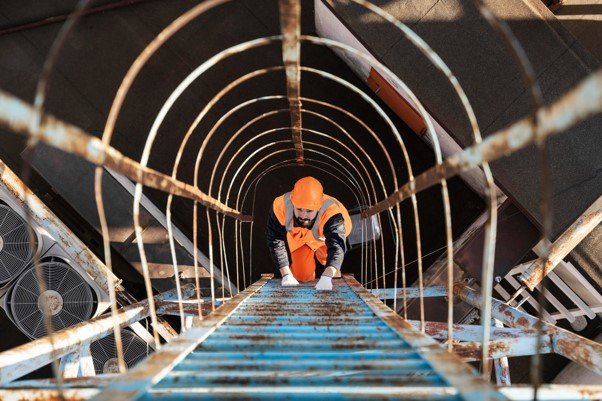
Have you ever wondered what stands between a worker at height and a potentially fatal accident? Are your fall arrest systems truly up to the job, or could hidden damage be lurking beneath the surface? When did you last give your safety equipment a proper once-over?
These questions might seem uncomfortable, but they’re absolutely vital for anyone working at height in Melbourne and across Australia. Fall arrest systems are the last line of defence when things go wrong, and their reliability can mean the difference between a close call and a tragedy. Regular inspection of this critical equipment isn’t just good practice it’s a legal requirement and a moral obligation to every worker who clips into a harness.
In this guide, we’ll walk you through five essential tips for inspecting fall arrest systems effectively. You’ll learn what components need checking, how often inspections should happen, who’s qualified to perform them, and what warning signs indicate equipment should be retired. We’ll also cover how to choose a reliable inspection service in Melbourne that meets Australian standards. Whether you’re a site manager, safety officer, or worker, this information could genuinely save lives.
Understanding Fall Arrest System Components and What to Look For
Before you can spot problems, you need to know what you’re looking at. Fall arrest systems consist of several interconnected components, each playing a crucial role in worker protection.
Harnesses: Checking Webbing, Stitching, and Hardware
Your harness is the foundation of any fall arrest system. Start by examining all webbing for cuts, fraying, abrasion, or discolouration. Pay close attention to stitching look for broken threads, pulled seams, or areas where stitching appears worn. The hardware deserves equal attention; check buckles, D-rings, and adjustment mechanisms for cracks, corrosion, or deformation. Any sharp edges or rough spots could damage webbing over time.
Lanyards and Connectors: Identifying Wear and Damage
Lanyards connect workers to anchor points and absorb energy during a fall. Inspect the entire length for cuts, burns, or embedded debris. Check shock absorbers if deployed, the lanyard must be retired immediately. Connectors like karabiners and snap hooks should open and close smoothly, with gates that lock properly. Look for rust, distortion, or worn mechanisms that might fail under load.
Anchor Points: Ensuring Structural Integrity
Anchor points are often overlooked but are just as critical. These fixed points must support the forces generated during a fall typically around 15kN for a single user. Check for corrosion, loose fixings, cracks in surrounding structures, and any signs of previous loading. Remember, an anchor is only as strong as what it’s attached to.
How Often Should Fall Arrest Systems Be Inspected?
Getting the timing right for inspections isn’t just about ticking boxes it’s about catching problems before they become dangerous.
Pre-Use Inspections: What Workers Need to Check Daily
Every single time a worker puts on fall arrest equipment, they should perform a quick visual check. This takes just a few minutes but catches obvious damage that might have occurred since the last use. Workers should look for visible defects, test buckles and connectors, and confirm all components are present and correctly assembled. This daily habit builds safety awareness and catches issues early.
Formal Inspection Schedules: Meeting Australian Standards
Beyond daily checks, Australian standards require formal inspections by competent persons at regular intervals typically every six months, though manufacturer recommendations may vary. These thorough examinations involve detailed documentation and follow specific protocols. For Melbourne businesses, staying compliant means maintaining inspection schedules that meet both AS/NZS 1891 requirements and any specific workplace safety regulations.
When to Schedule Unplanned Inspections
Sometimes you can’t wait for the next scheduled inspection. Unplanned inspections should happen after any fall event (even if the equipment wasn’t loaded), following exposure to chemicals or extreme conditions, if equipment has been dropped from height, or when workers report concerns. When in doubt, inspect immediately it’s always better to be cautious.
Who Is Qualified to Inspect Fall Arrest Equipment in Australia?
Not just anyone can sign off on fall arrest equipment. Understanding who’s qualified protects both workers and businesses.
Competent Person Requirements Under WHS Regulations
Australian Work Health and Safety regulations specify that inspections must be conducted by a “competent person.” This means someone with the knowledge, training, and experience to identify defects and assess whether equipment is safe for continued use. They must understand relevant Australian standards, manufacturer specifications, and workplace conditions that might affect equipment performance.
Why Professional Inspection Services in Melbourne Make a Difference
While trained staff can handle pre-use checks, formal inspections benefit enormously from professional expertise. Melbourne-based inspection services bring specialised knowledge, calibrated testing equipment, and independence that internal inspectors might lack. They stay current with changing regulations and can spot subtle damage that less experienced eyes might miss. Plus, their documentation provides solid evidence of compliance should questions arise.
Training Your Team for Pre-Use Checks
Your workers are your first line of defence. Investing in proper training ensures everyone knows what to look for during daily checks. Good training covers equipment components, common damage types, and clear procedures for reporting concerns. When workers understand why inspections matter, they become active participants in maintaining safety rather than just going through the motions.
Common Signs of Damage and When to Retire Equipment
Knowing when equipment has reached the end of its safe working life is absolutely critical. Getting this wrong puts lives at risk.
What Does a Failed Fall Arrest System Look Like?
Failed equipment often shows obvious signs: deployed shock absorbers, stretched webbing, bent or deformed hardware, or visible cracks in connectors. However, some damage is subtler—slight elongation of D-rings, minor corrosion that weakens metal components, or internal damage to energy absorbers that isn’t visible externally. Any equipment involved in arresting a fall must be retired, regardless of how it looks.
UV Damage, Chemical Exposure, and Environmental Factors
Australian conditions can be brutal on safety equipment. Prolonged UV exposure degrades synthetic webbing, causing it to become brittle and lose strength even if it looks fine. Chemical exposure, including cleaning products, paints, and industrial solvents, can weaken materials without visible signs. Heat, abrasion from rough surfaces, and contamination with oils or fuels all reduce equipment lifespan. Environmental factors should always influence inspection frequency and retirement decisions.
Record Keeping: Tracking Equipment Lifespan
Proper documentation isn’t just bureaucracy it’s essential for safety management. Every piece of fall arrest equipment should have individual records showing purchase date, inspection history, any incidents, and maintenance performed. Most manufacturers specify maximum service lives regardless of condition, typically five to ten years. Good records make it simple to track when equipment approaches retirement age and demonstrate compliance during audits.
Choosing a Reliable Fall Arrest Inspection Service in Melbourne
Finding the right inspection partner protects your workers and your business. Here’s what to consider.
What to Look for in a Height Safety Inspection Provider
Quality inspection services demonstrate relevant certifications, extensive experience with fall arrest systems, and thorough understanding of Australian standards. Look for providers who use calibrated testing equipment, employ trained technicians, and maintain proper insurance coverage. They should be willing to explain their processes and answer questions. Reputation matters check reviews and ask for references from similar Melbourne businesses.
Questions to Ask Before Hiring an Inspection Company
Before signing up, ask some pointed questions. What qualifications do their inspectors hold? How do they stay current with changing standards? What does their inspection process involve? How quickly can they provide reports? Do they inspect all brands and types of equipment? What happens if they find defects? The right provider will answer confidently and transparently, without dodging difficult questions.
Understanding Inspection Reports and Certification
A proper inspection report should clearly identify each piece of equipment examined, list any defects found, state whether equipment passes or fails, and recommend actions required. Certification confirms that equipment met relevant standards at the time of inspection. Keep reports filed safely they’re valuable evidence of your safety compliance and help track equipment history over time.
Prioritising Worker Safety Through Proper Inspections
Throughout this guide, we’ve covered the essential elements of effective fall arrest system inspection from understanding what components need checking, to knowing when equipment should be retired, to choosing qualified inspection services in Melbourne.
The key takeaway is straightforward: regular, thorough inspections aren’t optional extras. They’re fundamental to protecting workers at height and meeting your legal obligations. Cutting corners on safety equipment inspection puts lives at risk and exposes businesses to serious liability. The time and cost involved in proper inspections pale in comparison to the potential consequences of equipment failure.
If you’re a Melbourne business working at height, now’s the time to review your inspection procedures. Are your workers trained for daily checks? Is your formal inspection schedule up to date? Do you have reliable records for all equipment? Taking action on these questions today creates safer workplaces tomorrow. Your workers are counting on you to get this right.