
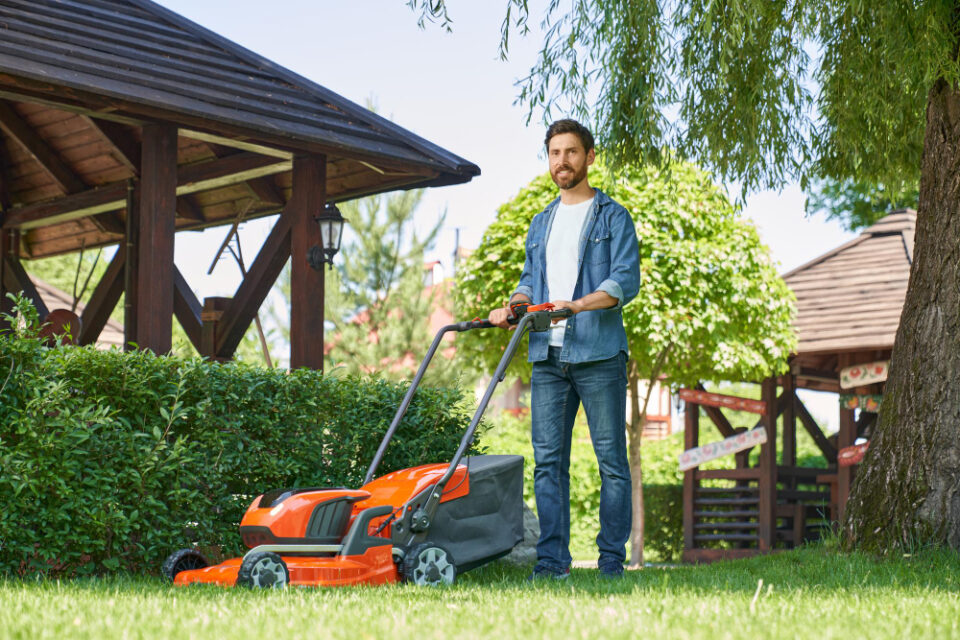
Ever wondered why your neighbour’s lawn looks like a bowling green while yours resembles a patchwork quilt? The secret isn’t expensive products or complicated routines. In most cases, it comes down to proper lawn mowing.
Lawn mowing is more than trimming grass when it gets long. How often you mow, how much you cut, and when you do it all directly affect lawn health. Get these basics right, and your lawn can quickly transform from average to outstanding.
This guide explains the correct lawn mowing techniques for Australian conditions. You’ll learn how to mow properly, choose the right cutting height, and avoid the most common mistakes thaat hold lawns back.
.jpg)
Getting the Lawn Mowing Basics Right
How to Mow a Lawn Properly
Before you start lawn mowing, it’s important to understand your grass type. Most Australian lawns are either warm-season grasses or cool-season grasses. Each responds differently to mowing height and frequency.
Warm-season grasses generally prefer a slightly higher cut, while cool-season varieties tolerate shorter mowing during active growth. Mowing without understanding this can weaken your lawn and slow recovery.
The One-Third Rule in Lawn Mowing
One of the most important lawn mowing rules is the one-third principle. Never remove more than one-third of the grass blade in a single cut.
Cutting too much at once shocks the plant and forces it to divert energy from root growth to recovery. This stress makes lawns more vulnerable to weeds, heat, and disease.
Changing Your Mowing Pattern
Mowing in the same direction every time causes grass to lean and soil to compact. Changing direction helps grass grow upright and evenly.
Alternate your lawn mowing pattern regularly. This small habit improves lawn health and gives your grass a cleaner, more professional appearance.
Lawn Mowing Height Explained
Why Cutting Height Matters
Correct cutting height is critical to successful lawn mowing. Grass cut too short exposes soil, dries out faster, and struggles to recover.
Maintaining the right height helps shade the soil, retain moisture, and encourage deeper roots. This leads to thicker, greener growth.
Lawn Mowing Heights for Different Grass Types
Warm-season grasses perform best when kept moderately high during peak growth. This allows them to handle heat and foot traffic more effectively.
Cool-season grasses prefer a balanced height that supports leaf growth without stressing the plant. Adjusting mowing height seasonally is essential for long-term lawn health.
Seasonal Height Adjustments
As temperatures rise, slightly increase your mowing height. Longer grass blades protect the lawn from heat stress and reduce water loss.
During cooler months, gradually lower the height if growth slows. Avoid sudden changes, as they can shock the grass and lead to thinning.
.jpg)
When Is the Best Time for Lawn Mowing?
Ideal Time of Day
The best time for lawn mowing is mid-morning or late afternoon. At these times, grass is dry and temperatures are milder.
Avoid mowing during the hottest part of the day. Heat combined with cutting places unnecessary stress on your lawn.
How Often Should You Mow?
Lawn mowing frequency depends on growth rate rather than the calendar. During spring and early summer, mowing may be needed weekly.
In slower growth periods, mowing every two to three weeks may be enough. Always follow the one-third rule to guide timing.
First Mow After Winter
The first lawn mowing session after winter should be gentle. Start with a higher cutting height and gradually reduce it over several mows.
This approach allows grass to rebuild strength without being shocked into stress.
Mowing Wet Grass: What You Should Know
Is Lawn Mowing Wet Grass a Good Idea?
Lawn mowing wet grass is not recommended. Wet blades tear rather than cut cleanly, leaving brown tips and increasing disease risk.
Clippings also clump together, smothering the lawn and creating uneven patches.
If You Must Mow Wet Grass:
If mowing wet grass is unavoidable, raise your cutting height. Mow slowly and clean equipment frequently during the process.
These steps reduce damage but should only be used when absolutely necessary.
Advanced Lawn Mowing Techniques:
- Grasscycling for Lawn Health: Grasscycling means leaving clippings on the lawn after mowing. When done correctly, clippings break down quickly and return nutrients to the soil.
- When to Bag Clippings: Bag clippings if the grass is excessively long or wet. This prevents clumps from forming and protects the lawn surface.
- Creating Lawn Stripes: Lawn stripes are created by bending grass blades in different directions. Light reflects differently, creating visible patterns.
.jpg)
Lawn Mowing Equipment Care:
Why Sharp Blades Matter?
Sharp blades are essential for clean lawn mowing. Dull blades tear grass, leaving jagged edges that turn brown.
If your lawn looks frayed after mowing, blade sharpening is overdue.
Basic Maintenance Tips:
Clean your mower after each lawn mowing session. Built-up debris affects performance and cutting quality.
Store equipment in a dry place and inspect blades regularly during the growing season.
Seasonal Lawn Mowing Strategies:
- Lawn Mowing in Summer: During hot weather, raise your mowing height slightly. Longer grass protects roots and helps retain moisture.
- Lawn Mowing During Drought: Reduce mowing frequency when growth slows. Allowing grass to grow slightly longer improves drought tolerance.
- Winter Lawn Mowing: Warm-season grasses slow or stop growing in winter. Lawn mowing may only be required occasionally.
Fixing Common Lawn Mowing Problems:
Scalping and Patchy Lawns:
Scalping occurs when grass is cut too low, exposing stems and soil. This often happens on uneven ground.
Raise your mowing height and avoid cutting until the lawn has recovered.
Uneven Cutting Issues:
Uneven mowing may result from dull blades or incorrect mower setup. Check wheel height and mow at a steady pace.
Slowing down improves cut quality, especially on rough surfaces.
Preventing Lawn Disease:
Avoid lawn mowing when grass is wet and disease is present. This prevents spreading problems across the lawn.
Clean equipment thoroughly if you mow affected areas.
.jpg)
Front Lawn Mowing for Better Kerb Appeal:
Why Front Lawn Mowing Matters:
Your front lawn is the first thing people notice. Consistent lawn mowing improves kerb appeal and overall presentation.
Clean edges and even cutting make a significant visual difference.
Managing Nature Strips:
Regular lawn mowing keeps nature strips tidy and safe. Maintain edges where grass meets paths to prevent hazards.
Consistent care shows pride in your property and benefits the wider streetscape.
Act: Improve Your Lawn Mowing Today
If you want thicker grass, fewer weeds, and a healthier yard, improving your lawn mowing routine is the fastest way to see results. Apply the right techniques, adjust your timing, and take action today to turn lawn mowing into a habit that delivers visible improvements season after season.
Conclusion: Smarter Lawn Mowing, Better Results
Great lawns are built through consistency, not shortcuts. Proper lawn mowing supports strong roots, even growth, and long-term resilience.
By following correct cutting heights, mowing at the right time, and maintaining your equipment, you give your lawn the best chance to thrive. With the right approach for lawn mowing expert, lawn mowing becomes a simple routine that rewards you with a healthier, greener outdoor space.