
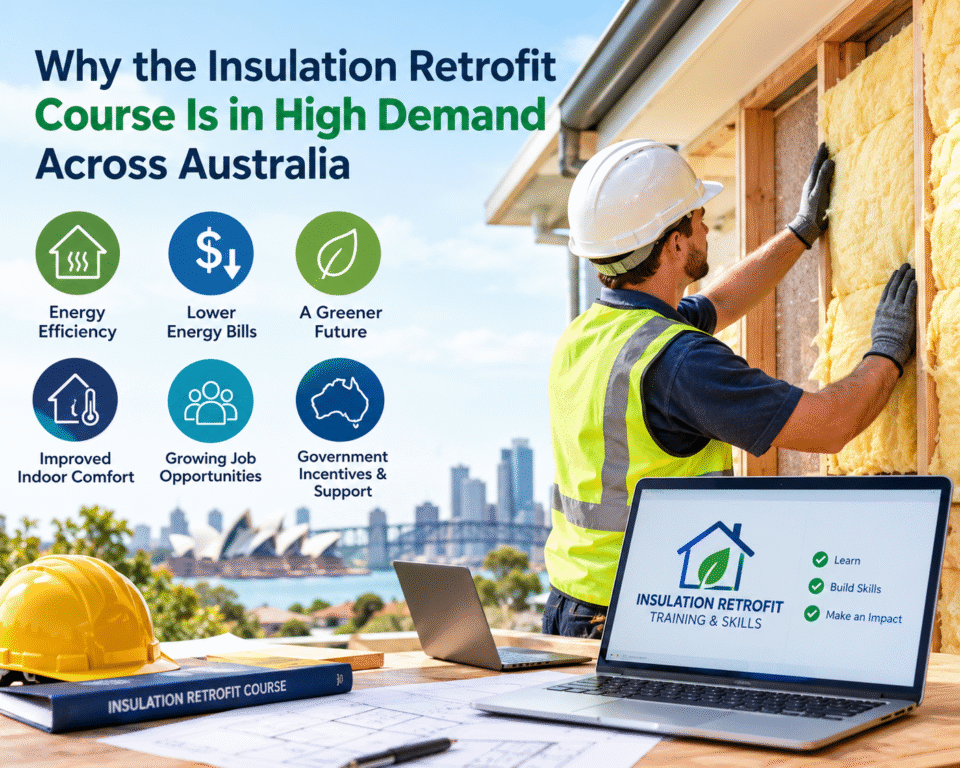
Have you noticed how your energy bills keep climbing each quarter? Are you wondering why so many tradespeople are suddenly talking about retrofit insulation? And have you considered what skills might future-proof your career in Australia’s evolving construction industry?
The demand for qualified insulation retrofit specialists has skyrocketed across Australia. This isn’t just a passing trend—it’s a fundamental shift in how we approach building performance and energy efficiency. With millions of older homes desperately needing thermal upgrades, there’s never been a better time to gain these sought-after skills.
In this article, we’ll explore what makes the insulation retrofit course so popular right now. You’ll discover what the training involves, why Australian homeowners and businesses are crying out for qualified installers, and how this certification could transform your career prospects. Whether you’re a builder looking to expand your services or someone exploring a new trade altogether, you’ll find everything you need to know about this booming field.
What Is an Insulation Retrofit Course?
Understanding Retrofit Insulation vs New Build Insulation
Retrofit insulation is quite different from installing insulation in new constructions. When you’re working on a new build, you’ve got open wall cavities, clear access to ceiling spaces, and everything’s nice and tidy. Retrofit work? That’s a whole other story.
Retrofitting means adding or upgrading insulation in existing buildings. You’re dealing with established structures, hidden obstacles, and spaces that weren’t designed with easy access in mind. It requires a specialised skill set that goes well beyond basic installation knowledge.
What Do You Learn in an Insulation Retrofit Course?
The Insulation retrofit course covers a wide range of practical skills. You’ll learn to assess existing buildings for insulation opportunities, identify potential hazards like asbestos or electrical wiring, and select appropriate materials for different situations.
Training typically includes hands-on techniques for wall cavity injection, ceiling top-ups, and underfloor installation. You’ll also gain knowledge about thermal performance calculations, building codes, and safety protocols specific to working in occupied homes.
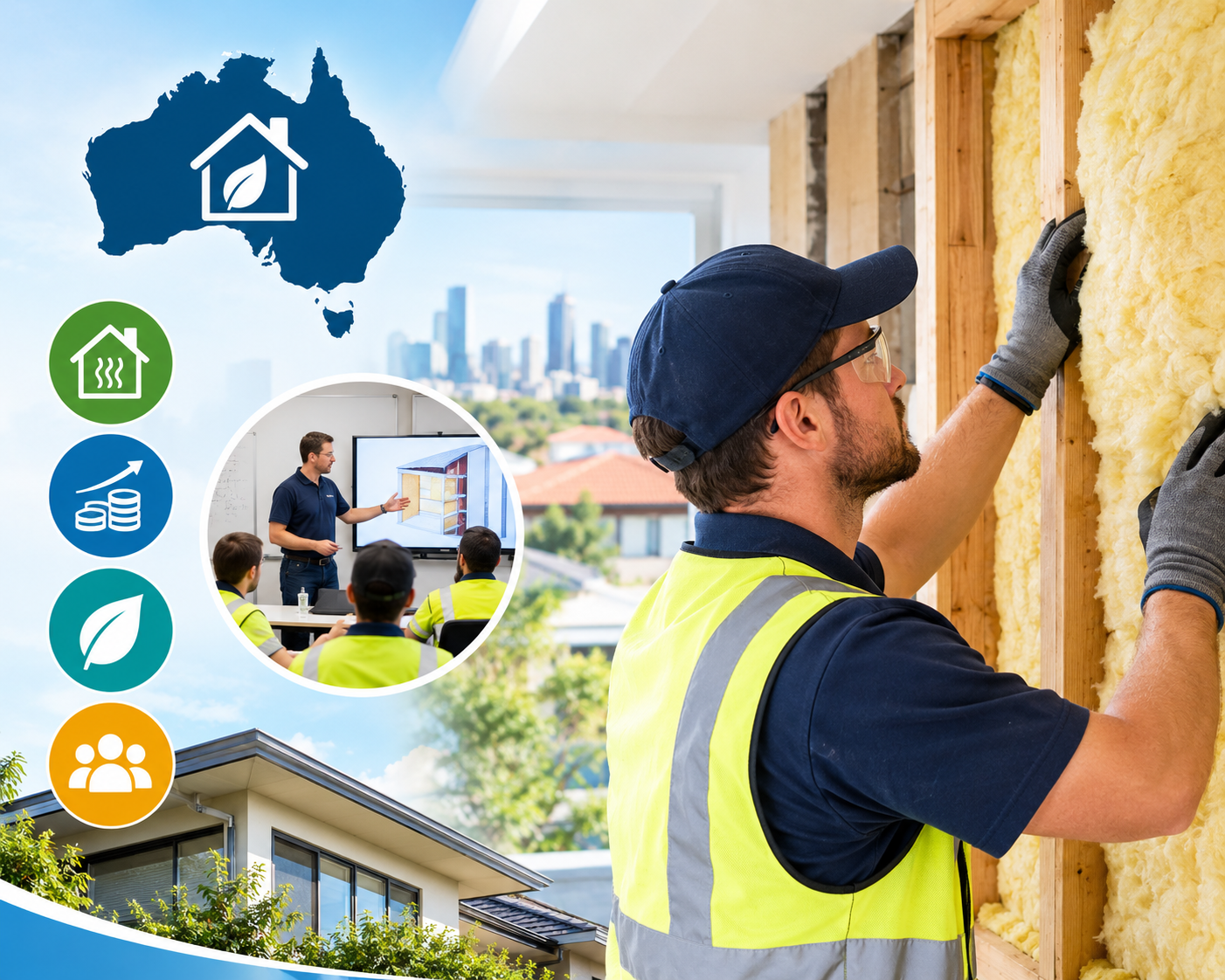
Who Should Consider Taking This Course?
This training suits various people. Builders and carpenters looking to diversify their services often sign up. So do electricians, plumbers, and other tradespeople wanting to offer comprehensive energy efficiency solutions.
Career changers find it particularly appealing too. If you’re handy, comfortable working in confined spaces, and interested in sustainability, this could be your pathway into a growing industry.
Why Is There Such High Demand for Insulation Retrofit Training in Australia?
Australia’s Ageing Housing Stock
Here’s a sobering fact: a significant portion of Australian homes were built before modern energy efficiency standards existed. Many properties constructed before 2003 have little to no insulation at all.
These older homes are often draughty, uncomfortable, and expensive to heat or cool. Homeowners are increasingly aware that retrofitting insulation is one of the most cost-effective ways to improve their home’s performance. This awareness creates enormous demand for qualified installers.
Rising Energy Costs and the Push for Efficiency
Energy prices in Australia have been climbing steadily. Households are feeling the pinch, and they’re actively seeking solutions to reduce their bills.
Proper insulation can slash heating and cooling costs by up to 45%. That’s a compelling selling point that’s driving homeowners to invest in retrofit solutions. As more people make this connection, the need for skilled installers grows exponentially.
Government Incentives and Rebate Schemes Driving Demand
Federal and state governments have rolled out numerous incentive programs to encourage home energy upgrades. These rebates make insulation retrofits more affordable for everyday Australians.
Programs like the Victorian Energy Upgrades scheme and various state-based initiatives have created a surge in demand. However, to participate in these programs, installers must hold appropriate qualifications—making the retrofit course essential for anyone wanting to tap into this market.
Climate Goals and Net Zero Commitments
Australia’s commitment to reducing carbon emissions has put building efficiency firmly in the spotlight. The residential sector accounts for a substantial portion of the nation’s energy use.
Upgrading existing buildings is far more sustainable than demolishing and rebuilding. Governments and industry bodies recognise this, which is why retrofit skills are becoming increasingly valuable in our push toward net zero.
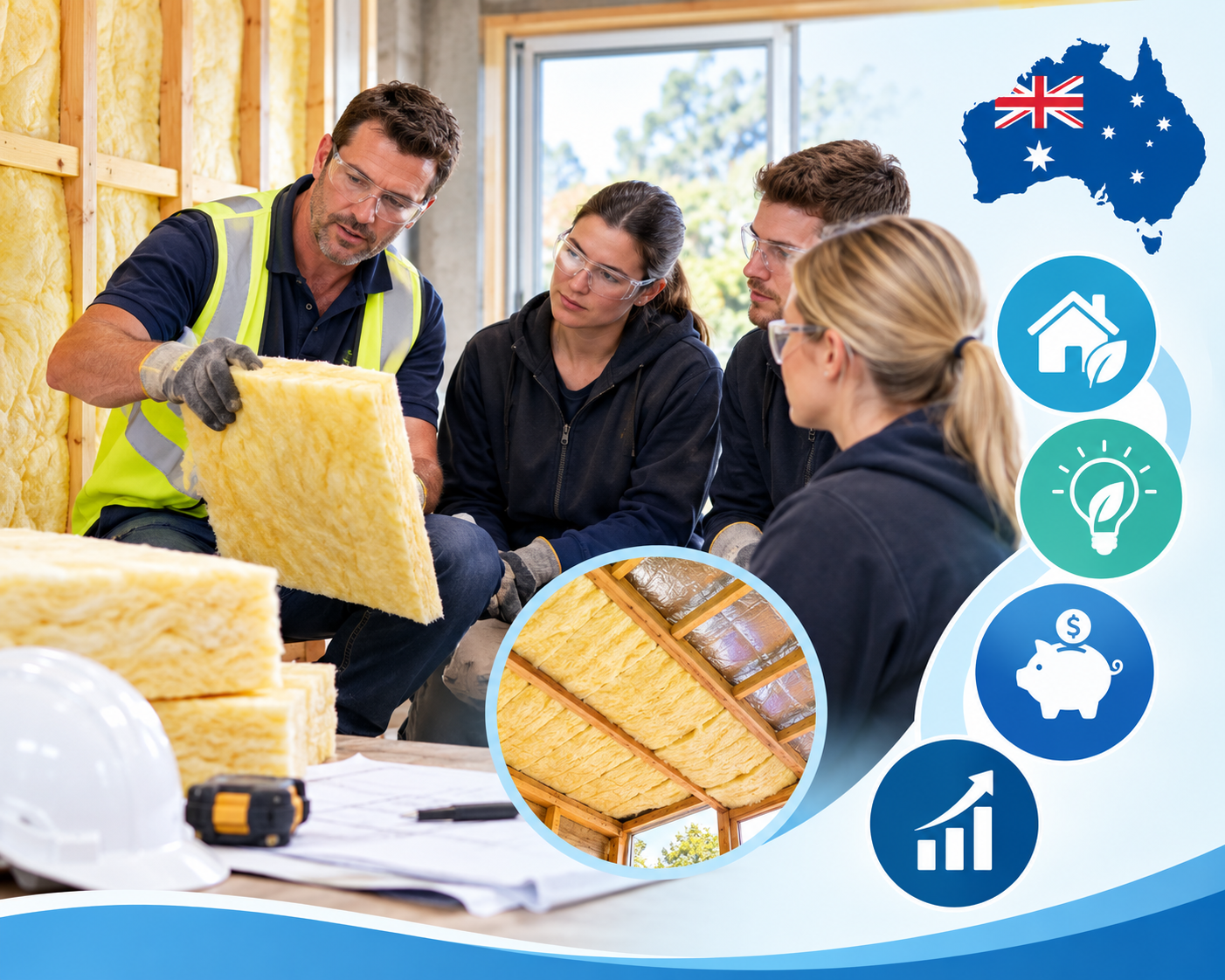
How Long Does It Take to Complete an Insulation Retrofit Course?
Online vs In-Person Training Options
Course delivery varies between providers. Some offer fully online theoretical components paired with practical assessments. Others provide intensive face-to-face workshops that can be completed in just a few days.
Most courses take between one and five days for the practical components. The theoretical learning might stretch over several weeks if you’re studying part-time. It really depends on your learning style and schedule.
Flexible Learning for Working Professionals
One major advantage of these courses is their flexibility. Many providers understand that students are already working in trades or other jobs.
Evening classes, weekend workshops, and self-paced online modules make it possible to gain qualifications without sacrificing income. This accessibility has contributed significantly to the course’s popularity among working professionals looking to upskill.
What Qualifications Do You Need to Install Insulation in Australia?
Licensing and Certification Requirements by State
Requirements vary across Australian states and territories. Some jurisdictions require specific licences for insulation work, while others incorporate it under general building or trade licences.
In Victoria, for example, installers working on government rebate programs must hold specific accreditation. Queensland and New South Wales have their own requirements too. It’s essential to check your state’s regulations before starting work.
How the Retrofit Course Meets Industry Standards
Reputable retrofit courses align with national competency standards. They prepare you for state-specific licensing requirements and industry accreditation schemes.
Completing a recognised course demonstrates your competence to potential employers and clients. It also ensures you understand safety requirements and best practices that protect both you and homeowners.
Benefits of Getting Certified in Insulation Retrofit
Standing Out in a Competitive Market
Certification sets you apart from uncertified competitors. When homeowners are choosing between installers, qualifications often tip the balance.
Plus, many government rebate programs specifically require certified installers. Without proper credentials, you’re locked out of a significant portion of the market.
Meeting Compliance and Safety Standards
Working in existing buildings involves unique risks. Certified installers understand how to identify hazards, work safely in confined spaces, and comply with relevant regulations.
This knowledge protects you from liability issues and ensures you’re delivering safe, compliant installations every time.
Building Client Trust and Credibility
Homeowners want confidence that the person working in their ceiling or walls knows what they’re doing. Certification provides that reassurance.
Displaying your qualifications on marketing materials and quoting documents builds trust before you even meet potential clients. In a word-of-mouth industry, this credibility is invaluable.
Common Challenges the Course Prepares You For
Working with Different Building Types and Materials
Australian homes come in countless styles—from weatherboard cottages to brick veneers to modern rendered constructions. Each presents unique challenges for retrofit work.
The course teaches you to assess different building types and select appropriate installation methods. You’ll learn which materials work best in various situations and how to adapt your approach accordingly.
Navigating Access Issues in Existing Homes
Getting insulation into existing walls and ceilings isn’t always straightforward. Limited access points, obstacles, and awkward spaces are par for the course.
Training prepares you to overcome these challenges efficiently. You’ll learn techniques for accessing difficult areas while minimising disruption to homeowners.
Addressing Moisture and Ventilation Concerns
Improper insulation installation can create moisture problems. Understanding how buildings breathe and manage moisture is crucial.
The course covers ventilation requirements, condensation risks, and how to avoid creating problems while solving others. This knowledge is essential for delivering lasting, effective installations.
Investing in Your Future with Insulation Retrofit Skills
The insulation retrofit industry in Australia isn’t slowing down anytime soon. With ageing housing stock, rising energy costs, and strong government support, demand for qualified installers will continue growing for years to come.
Whether you’re looking to add valuable skills to your existing trade qualifications or seeking a fresh career direction entirely, the retrofit course offers genuine opportunity. It’s practical, achievable, and opens doors to a sector that desperately needs skilled workers.
So why not take that first step? Research course providers in your area, check your state’s requirements, and consider how retrofit skills could transform your career prospects. The investment you make today could pay dividends for decades to come. Your future self—and your bank balance—will thank you for it.