
Have you ever touched a leather belt of exceptional quality and wondered how it was made? Have you entertained thoughts of making accessories but don’t know where to begin? Or are you looking for an outlet for creative energies that may lead to future riches?
If you’ve found any resonance with these questions, you are in the right place. A belt making course is the perfect entry into the wonderful world of leather craft. It’ll allow you to get your hands dirty, offer a practical experience, and put something truly useful in your hands. Instead of getting right into heavy-duty projects, with belt making, you can learn the fundamentals without feeling swamped.
What Is Belt Making Course?

A belt-making course is a series of organized training sessions aimed at imparting the art of making leather belts from scratch. These leathercraft classes would typically entail everything from choosing the right materials to understanding cutting techniques, punching, and finishing things off.
What a Leather Belt-Making Class Will Teach You
When you step into an exciting leather belt-making class, you receive very much practical knowledge and training, all of which delve into more than the mere assembly of a belt. Most courses would start off by looking at different kinds of leather, qualities, and what would be appropriate for various different kinds of projects.
You will learn how to measure and cut leather with precision, use tools such as edge bevellers and hole punches, and finishing techniques to give your work a professional look. Many leather workshop courses will also show you how to attach specific hardware, including buckles and snaps, and by the time you’re done, you will have custom-made your own belt, as well as cultivated skills applicable to many other projects.
Who Should Consider Leather Workshop Courses?
Leather workshop courses are for almost anybody interested in handcrafted art and craft. For complete beginners, the classes prove to be accessible and rewarding. For the amateur whose wish is to give structure to acquired skills, these classes present a way forward.
These courses will also be great for anybody thinking of changing careers and taking up artisan work. Even designers and fashion fans gain new ways of thinking about materials and construction. If you appreciate good craftsmanship and you love to work with your hands, then leather making classes may well be one of the great areas to explore.
Advantages of Taking Leathercraft Classes
Taking leathercraft classes bestow benefits that go beyond the making of one single item. The skills you cultivate pave the way for years of creative projects.
Building Foundational Skills for Greater Leather Work
Although belt-making seems easy, it teaches the fundamental techniques applied across all leather craft courses. You’ll come away with edge finishing, cutting angles, and how leather reacts to multiple conditions.
These primary skills will allow you to set the stage to take on more projects like bags, wallets, little leather accessories, and the likes. It’s almost like an apprenticeship in leather work, and you’re beginning to develop some muscle memory and a trained eye for quality that will serve you throughout your leather craft career. The confidence gained after finishing your first project is simply priceless.
From Hobbyist to Professional: Career Opportunities in Leather Craft
What starts as a hobby can genuinely become a business. Many successful leather artisans started just where you are curious about a belt-making course.
The market for handmade and sustainable leather goods is one that is growing. Consumers are becoming more conscious of quality vs quantity, giving way to skilled craftspeople. Markets might be an option for you; perhaps an online shop or even starting your own leather-making classes. Some graduates specialize in bespoke goods, and others do repairs and restorations. The road from student to professional has been travelled, and it is possible.
What to Expect from Leather-Making Courses in Australia
With a vibrant and welcoming leather scene in Australia, it simply means that you can choose between the option of hands-on workshops to flexible online learning. All are to fit your lifestyle.
In-Person Leather-Craft Workshops Vs Live Online Leatherworking Lessons
Another rewarding thing about in-person leather craft workshops is that immediate feedback is given on the skills being taught while workshops also empower people to handle materials before putting their cash down to purchase. There will also be an opportunity to see various methods demonstrated live and share experiences with other enthusiasts.
On the other hand, online leatherworking lessons would provide flexibility and, in many instances, are cheaper; you could pause and rewind and work through it at your pace. There much preferred way, many find, is starting from online fundamentals and going to leather-making workshops for refining under the guiding eye of an expert.
“Learn Leatherworking Near Me” – Why Not?
“Learn leatherworking near me” is a good starting point, but don’t end there. Check out your community centre, maker spaces, and TAFE courses.
Groups on social media in regard to the Australian leather craft often advertise workshops from time to time. Local leather suppliers may host or recommend courses as well. Don’t forget about those small towns; there are phenomenal artisans that teach from rural studios with very small class sizes and personalized attention.
Essential Skills Covered in Leather Working Classes
A good leather working class combines a variety of techniques which lead to crafting products from raw materials. Find here a short listing of what skills should be imparted.
Leather Tooling Classes: Decoration Techniques with an Edge
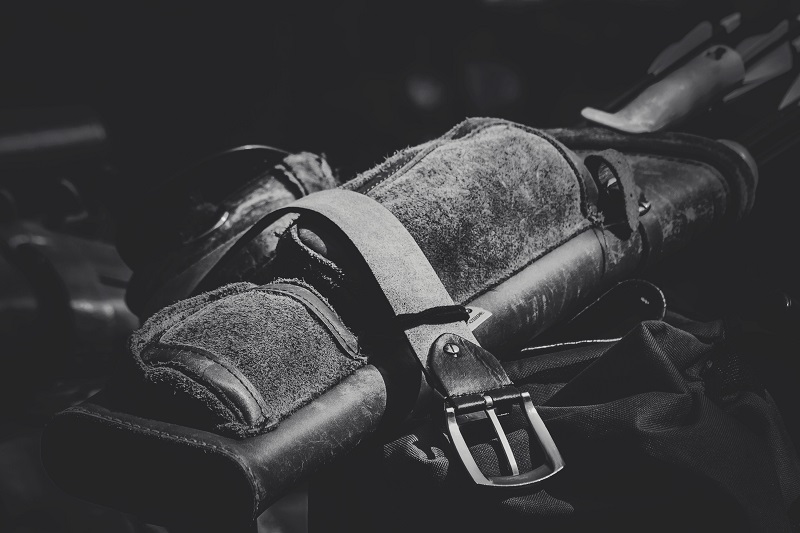
The leather tooling classes teach the ability of leather decorating through carving, stamping, and embossing. These techniques give character and added worth to your works.
Learn to dampen leather appropriately, transfer designs, and use an array of stamps to create patterns. Tooling requires a lot of patience and practice, but the results can be magnificent. Many artisans often seem to have a signature style not too far from which their works can be recognized.