
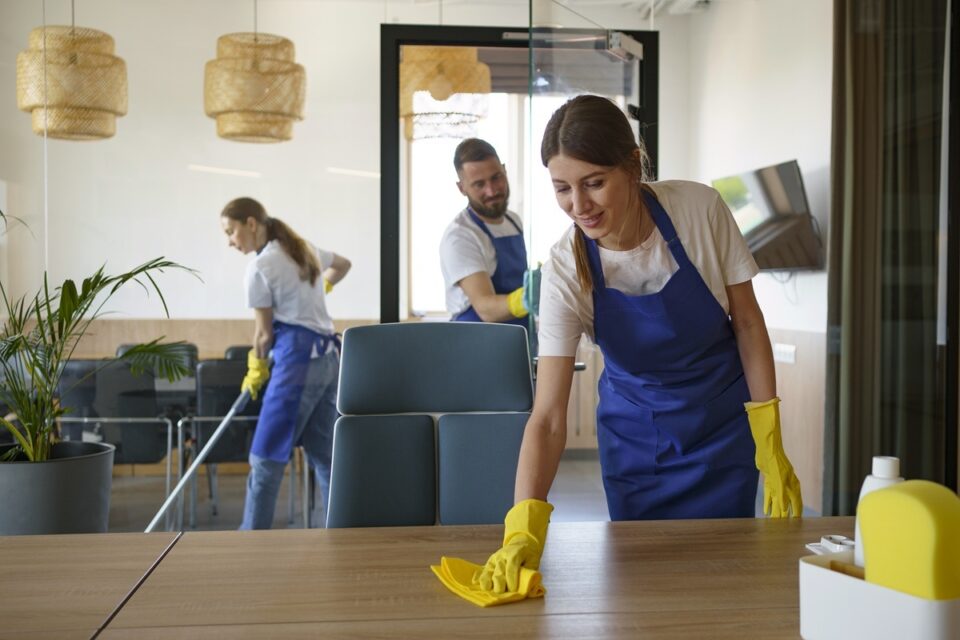
Here’s the thing about stubborn stains they’re not just being difficult for the sake of it. There’s actual science behind why some dirt clings on for dear life. When substances like red wine, grease, or coffee spill onto fabrics or surfaces, they can bond chemically with the fibres or materials. The longer they sit, the deeper they penetrate, making removal increasingly tricky. Heat can make matters worse by essentially “cooking” the stain into place permanently.
We will explore practical house cleaning hacks that actually work. From tackling burnt-on grease in your kitchen to banishing mould from bathroom tiles, you’ll discover budget-friendly solutions using everyday pantry staples. We’ll cover fabric stains, carpet disasters, wall marks, and even outdoor cleaning challenges. Plus, you’ll learn when it’s time to call in the professionals. Ready to become a stain-fighting champion? Let’s get stuck into it.
Essential House Cleaning Supplies Every Australian Home Needs
Before tackling any stubborn stain, having the right supplies on hand makes all the difference. The good news? Many powerful house cleaning agents are probably sitting in your pantry right now.
Budget-friendly staples include white vinegar, bicarbonate of soda (baking soda), lemon juice, dishwashing liquid, and salt. White vinegar cuts through grease and dissolves mineral deposits brilliantly. Bicarbonate of soda works as a gentle abrasive and natural deodoriser. When combined, these two create a fizzing reaction that helps lift stubborn grime. Lemon juice brings natural bleaching properties, perfect for brightening whites and tackling rust stains.
When should you invest in professional-grade products?
Sometimes pantry staples aren’t enough. For heavy-duty jobs like removing old oil stains from concrete or tackling severe mould infestations, commercial-strength cleaners deliver better results. Enzyme-based cleaners work wonders on protein stains like blood or pet accidents. Oxygen-based bleaches offer a colour-safe alternative to chlorine bleach for tough fabric stains. Stock up on microfibre cloths too they trap dirt more effectively than regular rags and won’t scratch delicate surfaces.
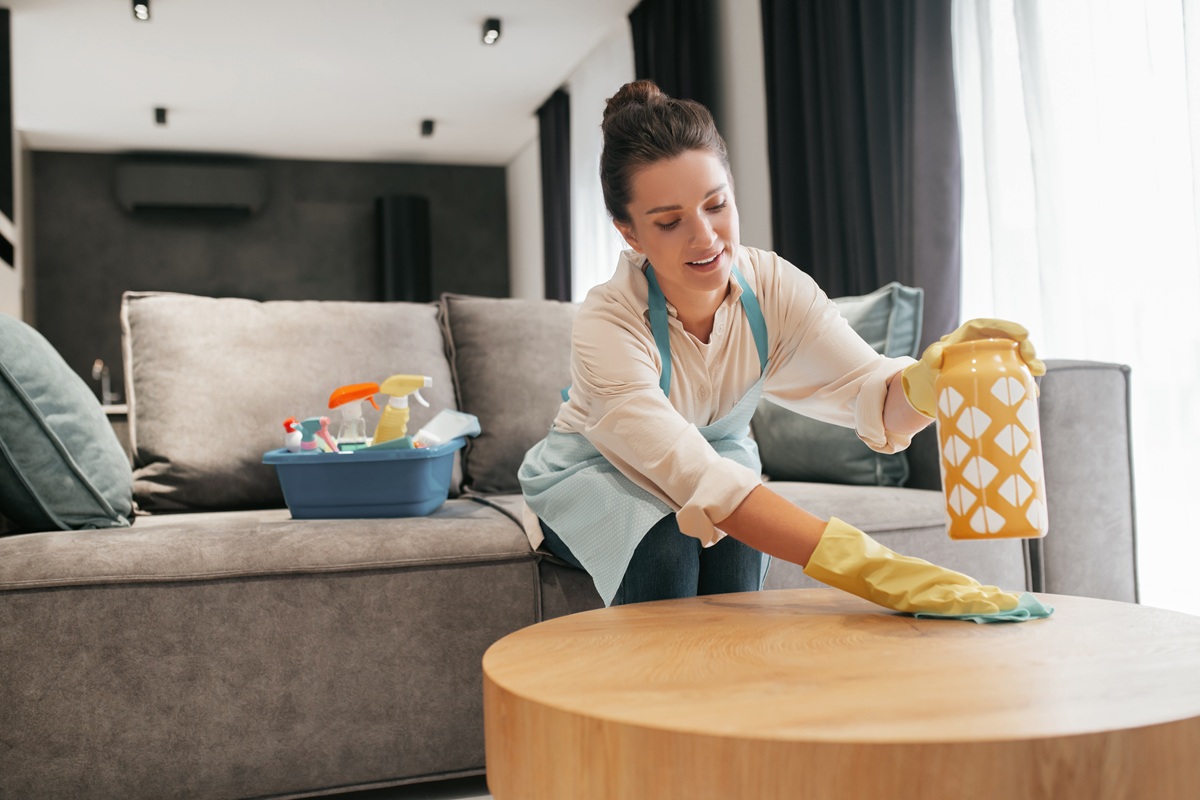
How Do You Remove Stubborn Stains From Fabric?
Fabric stains can feel like the ultimate house cleaning nightmare, but the right approach makes them manageable.
Tackling wine and coffee spills requires quick action. Blot (never rub!) the spill immediately with a clean cloth. For red wine, sprinkle salt generously to absorb the liquid, then flush with cold water. Coffee responds well to a mixture of dishwashing liquid, white vinegar, and water. Apply, let it sit for five minutes, then blot away.
Getting grease stains out of clothing demands a different strategy. Dishwashing liquid designed to cut through kitchen grease works brilliantly on fabric too. Apply a small amount directly to the stain, gently work it in with your fingers, and let it sit for 10-15 minutes before washing in the warmest water the fabric allows.
What removes set-in stains that have already dried?
Don’t panic there’s still hope. Create a paste using bicarbonate of soda and water, apply it to the stain, and leave it overnight. For colourfast fabrics, try soaking in oxygen-based bleach solution for several hours. Glycerine can also help rehydrate dried stains, making them easier to treat. Always test any solution on a hidden area first.
Kitchen Cleaning Hacks That Actually Work
The kitchen sees more stubborn stains than any other room. Here’s how to tackle the worst offenders.
How do you clean burnt-on grease from stovetops?
Make a paste from bicarbonate of soda and water, spread it over the affected areas, and let it work overnight. In the morning, spray with white vinegar the fizzing action loosens the grime. Wipe away with a damp cloth, using a plastic scraper for stubborn bits.
Removing limescale from kettles and taps is surprisingly simple. Fill your kettle with equal parts water and white vinegar, boil it, then let it sit for an hour before rinsing thoroughly. For taps, soak a cloth in vinegar and wrap it around the affected area for 30 minutes.
Deep house cleaning your oven without harsh chemicals is absolutely possible. Spread a thick paste of bicarbonate of soda and water inside the oven (avoiding heating elements), leave overnight, then spray with vinegar and wipe clean. For glass doors, the same paste works brilliantly.
What is the best way to clean grout in kitchen tiles?
Mix bicarbonate of soda with hydrogen peroxide to form a paste. Apply along grout lines using an old toothbrush, scrub gently, and rinse. For stubborn stains, let the paste sit for 15 minutes before scrubbing.
Bathroom Stain Removal Made Simple
Bathrooms present unique challenges with moisture, minerals, and mould.
How do you get rid of mould and mildew quickly?
White vinegar kills most mould species effectively. Spray undiluted vinegar onto affected areas, let it sit for an hour, then scrub and rinse. For severe mould, a solution of one part bleach to ten parts water works faster, but ensure proper ventilation.
Removing hard water stains from glass shower screens requires acidic cleaners. Spray screens with white vinegar or lemon juice, let it sit for 15 minutes, then scrub with a non-scratch pad. For stubborn mineral deposits, apply the solution and cover with cling film to prevent evaporation while it works.
Toilet bowl stains what works and what doesn’t?
Forget expensive toilet cleaners. Pour a cup of white vinegar into the bowl, add half a cup of bicarbonate of soda, let it fizz for 10 minutes, then scrub with a toilet brush. For rust stains, pumice stones designed for toilets remove marks without scratching.
Carpet and Rug Cleaning Secrets
Carpets trap everything from pet accidents to muddy footprints. Here’s how to restore them.
Does baking soda really remove carpet stains?
Absolutely but it works best for fresh stains and odour absorption. Sprinkle liberally over the affected area, let it sit for several hours (or overnight for odours), then vacuum thoroughly. For actual stains, you’ll need to combine it with other house cleaning agents.
Pet stain and odour removal requires enzyme-based cleaners that break down proteins in urine. Blot up as much liquid as possible, apply the enzyme cleaner according to package directions, and let it dry completely. Avoid steam cleaners on pet stains heat can permanently set odours into carpet fibres.
High-traffic area dirt removal benefits from regular maintenance. Mix one tablespoon of dishwashing liquid with one tablespoon of white vinegar in two cups of warm water. Apply to dingy areas with a spray bottle, scrub gently with a brush, then blot dry with clean towels.
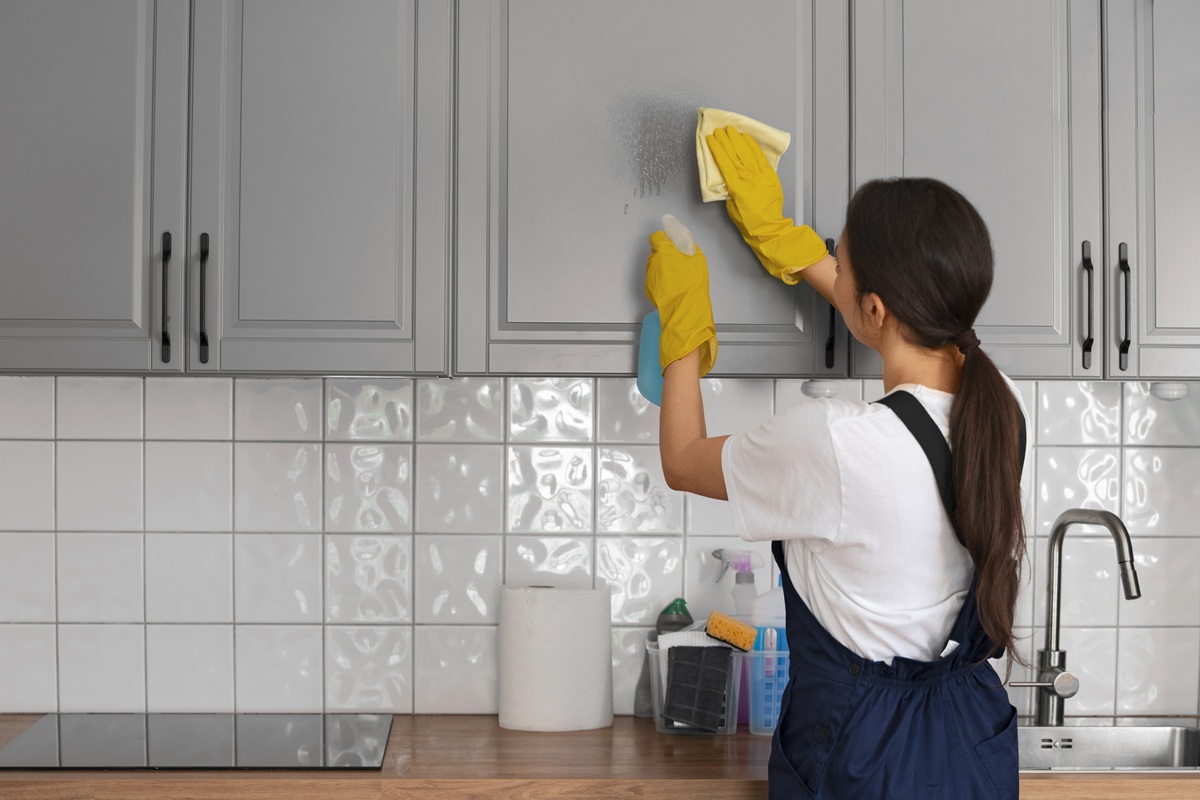
Wall and Painted Surface Cleaning Tips
Walls collect more dirt than we realise, from fingerprints to scuff marks.
Removing scuff marks without damaging paint is easier than you’d think. Try a clean tennis ball first it lifts marks surprisingly well. Alternatively, make a paste of bicarbonate of soda and water, apply gently with a soft cloth, and wipe clean. Magic erasers work brilliantly but use light pressure to avoid removing paint.
How do you clean stubborn marks off walls?
Mix one tablespoon of dishwashing liquid in a bucket of warm water. Using a soft sponge, work from bottom to top (this prevents drip marks), then rinse with clean water and dry immediately. For greasy marks, add a splash of white vinegar.
Tackling kids’ crayon and marker artwork requires patience. For crayons, apply a small amount of mayonnaise or WD-40, let it sit briefly, then wipe away. Washable markers usually yield to warm soapy water. Permanent markers respond to rubbing alcohol applied carefully with cotton balls.
Outdoor Cleaning Challenges
Australian outdoor spaces face unique challenges from oil stains to mould growth.
Removing oil stains from driveways starts with absorbing fresh spills using cat litter or sawdust. For set-in stains, apply dishwashing liquid, scrub with a stiff brush, and rinse with hot water. Commercial concrete degreasers tackle stubborn marks more effectively.
Cleaning mould from outdoor furniture requires a solution of one cup white vinegar to one litre water. Spray generously, let it sit for 30 minutes, then scrub and rinse. For plastic furniture, bicarbonate of soda paste removes both mould and discolouration.
Time-Saving House Cleaning Hacks for Busy Households
When life gets hectic, these shortcuts keep stains under control.
The two-minute stain response rule is simple address any spill within two minutes for dramatically better results. Keep a small spray bottle of diluted dishwashing liquid handy for immediate action on fabric stains.
Multi-purpose cleaning solutions simplify your routine significantly. Mix equal parts white vinegar and water in a spray bottle for an all-purpose cleaner suitable for most surfaces. Add a few drops of essential oil if you prefer a pleasant scent over the vinegar smell.
When to Call Professional House Cleaning services
Sometimes DIY methods aren’t enough.
Signs a stain needs expert attention include persistent odours despite house cleaning, large area coverage, valuable or delicate items, and stains that have set for extended periods. Water damage and extensive mould also warrant professional assessment.
What to look for in a professional house cleaning service includes proper licensing and insurance, clear pricing, positive reviews from Australian customers, and eco-friendly house cleaning options if that matters to you.
Final Thoughts
Dealing with stubborn stains doesn’t have to feel overwhelming. Armed with common pantry staples like white vinegar, bicarbonate of soda, and dishwashing liquid, you can tackle most house cleaning challenges effectively. The key is acting quickly, using the right technique for each stain type, and knowing when a job truly requires professional help.
Remember, prevention beats cure every time. Address spills immediately, maintain regular house cleaning routines, and keep your essential supplies stocked and accessible. Those small habits prevent minor marks from becoming major headaches.
So next time a stubborn stain appears in your home, don’t stress. Grab your supplies, apply the appropriate hack from this guide, and watch that stain disappear. Your home will thank you for it, and you’ll feel like a genuine house cleaning champion. What stain are you tackling first?