
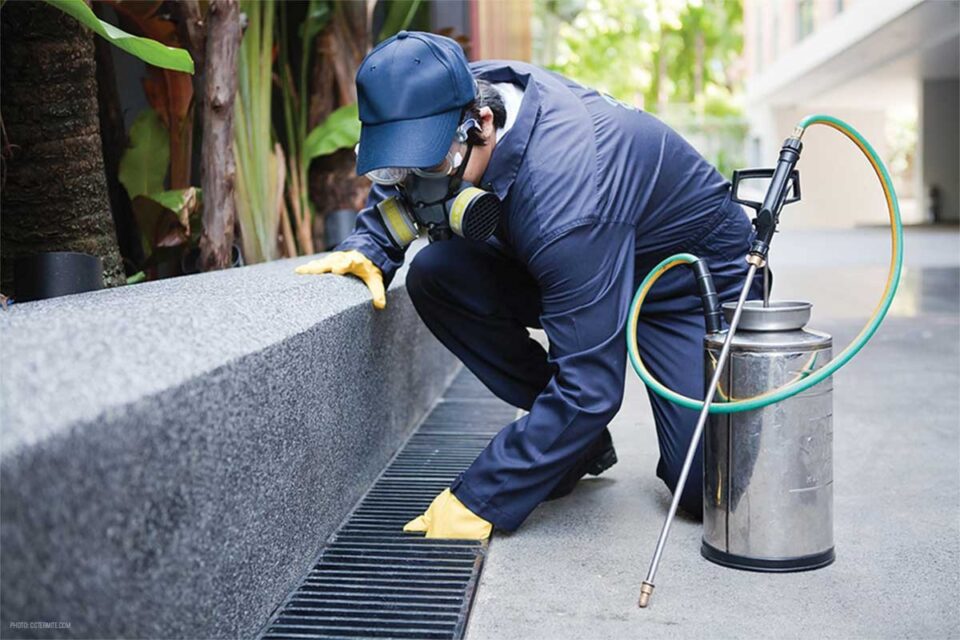
In this guide, we’ll walk you through everything you need to know about seasonal pest control in Australia. You’ll discover which pests are most active during each season, what attracts them to your home, and practical steps you can take to keep them at bay. Plus, we’ll cover when it’s time to call in the professionals and what that process looks like. By the end, you’ll have a complete checklist for protecting your home year-round.
Understanding Pest Behaviour Throughout the Year
How Weather and Climate Affect Pest Activity
Temperature and humidity play massive roles in pest behaviour. When it’s warm and humid, insects thrive their metabolisms speed up, they reproduce faster, and they become more active in searching for food. That’s why summer feels like pest central for most Australian homes.
On the flip side, cooler weather doesn’t mean pests disappear. They simply change their tactics. Many species slow down, but others actively seek shelter indoors where conditions are more favourable. Rain also drives pests inside, as waterlogged ground forces them to find drier accommodation.
Why Pests Enter Your Home During Different Seasons
Your home offers three things pests desperately need: food, water, and shelter. During extreme weather whether scorching summer heat or chilly winter nights your climate-controlled house becomes incredibly attractive to creatures looking for comfort.
In summer, they’re chasing moisture and escaping the heat. In autumn and winter, they’re seeking warmth and protection from the elements. Spring brings breeding season, meaning pests are actively searching for nesting spots. Understanding this cycle helps you anticipate problems before they start.

Summer Pest Control: Battling the Peak Season
Common Summer Pests in Australia
Summer brings out the worst offenders: ants march in endless trails towards your pantry, cockroaches become bolder in their kitchen raids, flies buzz around incessantly, and mosquitoes turn outdoor entertaining into an itchy nightmare. These pests thrive in warm conditions and are most active during Australia’s hottest months.
What Attracts Pests to Your Home in Summer?
Food scraps, sugary spills, and overripe fruit are like magnets for summer pests. Standing water in plant saucers, pet bowls, and blocked gutters creates perfect breeding grounds for mosquitoes. Open bins and compost heaps attract flies, while crumbs and grease residue invite cockroaches to feast.
How Do I Keep Bugs Out of My House in Summer?
Prevention is your best strategy. Keep food stored in airtight containers and clean up spills immediately. Fix any leaking taps and remove standing water sources. Install fly screens on windows and doors, and make sure door seals are intact.
Here are some quick DIY tips:
- Wipe down benchtops with vinegar solution after cooking
- Take rubbish out regularly, especially food waste
- Keep outdoor areas tidy and free from debris
- Use natural deterrents like citronella candles outdoors
Autumn Pest Control: Preparing for the Cooler Months
Which Pests Become Active in Autumn?
As temperatures drop, rodents become public enemy number one. Mice and rats start scouting for warm winter accommodation, and your home looks perfect. You might also notice increased spider activity as they move indoors, along with cockroaches seeking shelter from cooler nights.
Why Do Rodents Enter Homes as Temperatures Drop?
Rodents are opportunistic creatures with an impressive sense of smell. As outdoor food sources become scarce and nights grow colder, they follow scent trails leading to your home. A gap as small as a pencil width is enough for a mouse to squeeze through.
Essential Autumn Pest-Proofing Steps
Autumn is prime time for home maintenance that keeps pests out:
- Seal gaps around pipes, cables, and foundations
- Check roof spaces for entry points
- Store firewood away from the house
- Clear leaf litter and debris from around your property
- Inspect door seals and weather stripping
Taking these steps now saves you major headaches when winter arrives.
Winter Pest Control: Indoor Invaders to Watch For
Do Pests Go Away in Winter?
Unfortunately, no. While many pests become less visible, they haven’t disappeared they’ve just moved inside. Your heated home provides the perfect refuge from harsh outdoor conditions. Pests that would normally be dormant stay active indoors.
Common Winter Pests
Spiders set up camp in quiet corners, garages, and storage areas. Rodents nest in wall cavities, roof spaces, and behind appliances. Silverfish thrive in humid areas like bathrooms and laundries. These winter visitors might be less numerous than summer pests, but they’re equally unwelcome.
How to Prevent Pests During Winter Months
Keep your home less inviting by reducing clutter where pests can hide. Vacuum regularly, including behind furniture and in storage areas. Check for moisture problems, as damp conditions attract silverfish and other pests. Store clothing and linen in sealed containers, and keep food storage areas clean and organised.
Spring Pest Control: Stopping Infestations Before They Start
Why Is Spring the Most Important Time for Pest Control?
Spring is when pest populations explode. Warmer temperatures trigger breeding cycles, and colonies that survived winter start expanding rapidly. Treating problems in spring means you’re tackling smaller populations before they multiply into major infestations.
Termite Season: Protecting Your Home from Costly Damage
Spring is termite swarming season across Australia. These destructive pests cause billions of dollars in property damage each year, and they work silently within your walls. Annual termite inspections are essential especially before and after spring. Look for mud tubes, hollow-sounding timber, and discarded wings near windows.
What Is the Best Month to Spray for Bugs?
Early spring, typically September or October, is ideal for preventive treatments. Spraying before pest populations peak gives chemicals time to create barriers around your home. This timing targets pests as they emerge from dormancy but before they’ve established new colonies.
Spring Cleaning Tips to Deter Pests
- Declutter storage areas and dispose of old cardboard boxes
- Deep clean behind appliances and under furniture
- Clear gutters and drainage areas
- Trim vegetation back from your home’s exterior
- Check screens for holes and repair as needed
Year-Round Pest Prevention Strategies
How Often Should You Pest Control Your Home?
For most Australian homes, professional pest control every six to twelve months provides solid protection. However, this varies based on your location, property type, and pest history. Homes in bushland areas or older properties might need more frequent treatments.
Is Monthly Pest Control Necessary?
For the average household, monthly treatments are usually overkill. However, if you’re running a food business from home, have severe ongoing infestations, or live in high-risk areas, more frequent treatments might be justified. Your pest controller can advise on the best schedule for your situation.
Natural vs Chemical Pest Control: Which Is Better?
Both approaches have their place. Natural methods like essential oil deterrents, diatomaceous earth, and physical barriers work well for prevention and minor problems. Chemical treatments are often necessary for established infestations or serious threats like termites. Many pest controllers now offer integrated approaches combining both methods for effective, environmentally conscious solutions.
When to Call a Professional Pest Control Service
Signs You Need Professional Pest Treatment
Don’t hesitate to call professionals if you notice:
- Multiple pest sightings during daylight hours
- Property damage, droppings, or nesting materials
- Unusual sounds in walls or roof spaces
- DIY methods aren’t working
- You’re dealing with dangerous pests like venomous spiders or large wasp nests
What to Expect from a Pest Control Service
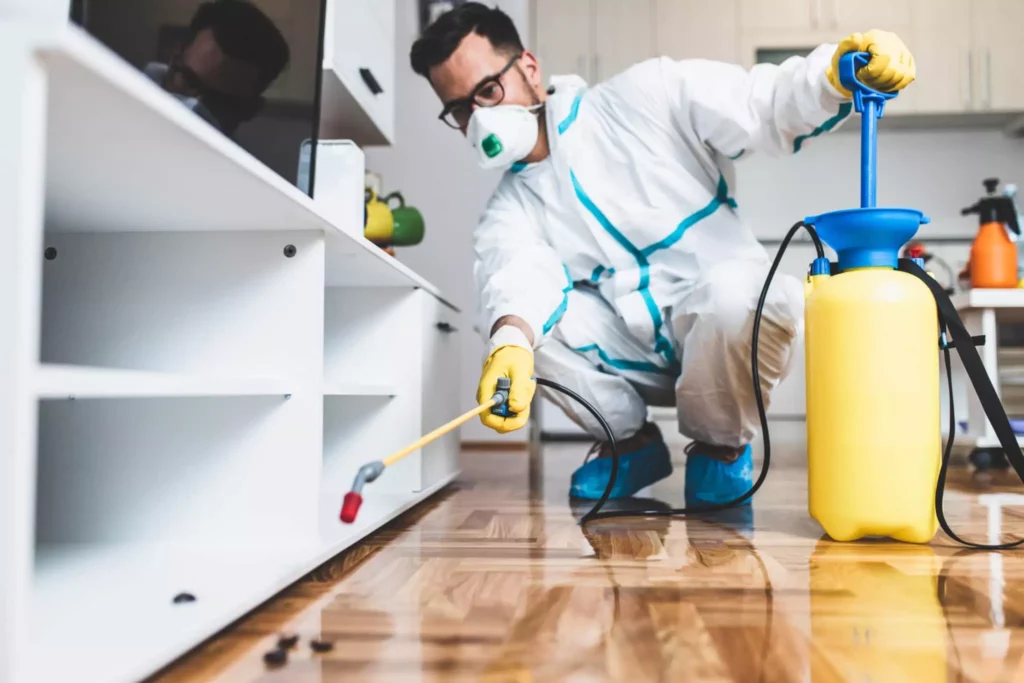
A good pest control will inspect your property thoroughly, identify pest species and entry points, and explain their treatment plan. They’ll provide safety information about any chemicals used and advise on preparation and follow-up. Most treatments take a few hours, though severe infestations may require multiple visits.
Your Seasonal Pest Control Checklist
Keeping your home pest-free isn’t about winning one battle it’s about staying vigilant throughout the year. By understanding how different seasons affect pest behaviour, you can anticipate problems and take action before they escalate. Summer demands attention to food storage and screens, autumn calls for sealing entry points, winter requires moisture control and decluttering, and spring is your window for preventive treatments.
The key takeaway? Prevention always beats cure. Regular maintenance, good hygiene habits, and seasonal pest-proofing create layers of defence that make your home far less attractive to unwanted visitors. When DIY methods aren’t cutting it, don’t hesitate to bring in professionals the cost is almost always less than dealing with a full-blown infestation.
So, grab a cuppa and walk through your home with fresh eyes. Check those door seals, inspect your screens, and clear away anything that might be attracting pest control. Your future self will thank you for the effort. Here’s to a pest-free home, whatever the season throws your way!