
Why Every High Risk Workplace Needs Modern Duress Alarm Systems
High risk workplaces in the health sector hospitals, aged care facilities, laboratories and emergency clinics face unique safety challenges. When a staff member feels threatened, a quick and reliable way to call for help can mean the difference between a minor incident and a serious injury. Modern duress alarm systems provide that instant link between the person in danger and the security team, the police, or on site responders. In this guide we explore why duress alarm systems are essential for health organisations across Australia, what the law says, which local providers you can trust, and how to implement a solution that fits your budget and culture.
Understanding Duress Alarm Systems
A duress alarm system is a network of discreet devices that let a user send a silent alert when they feel unsafe. The alert can be triggered by a button, a wearable, a smartphone app or even a voice command. Once activated, the system not the incident to a monitoring centre, a security guard, or directly to emergency services, often with location data and video feed. Modern systems also integrate with access control, CCTV and incident management software, giving managers a full picture of what happened.
Key Components
- Portable panic buttons clipped to a belt or worn as a pendant.
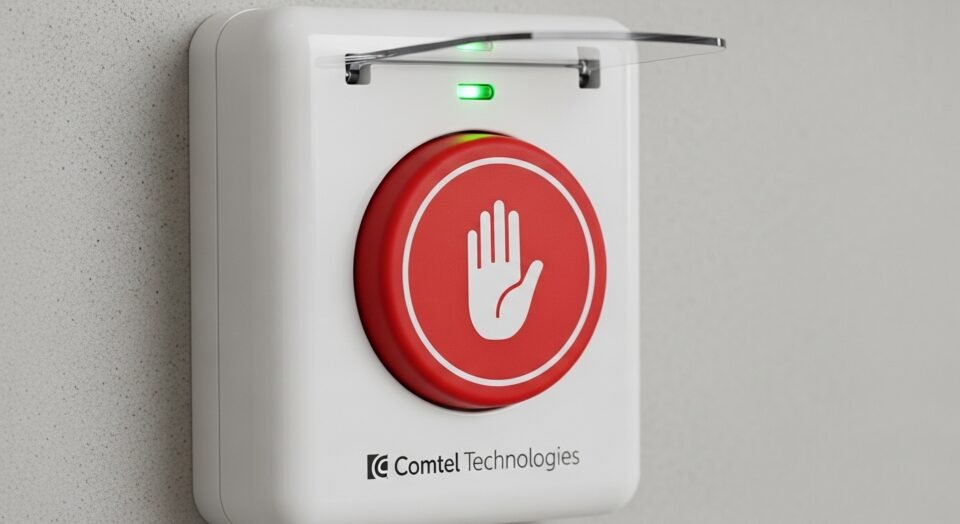
- Fixed wall mounted buttons placed at nursing stations, reception desks and high traffic corridors.
- Wearable devices smart watches or RFID tags that can be pressed with a thumb.
- Software platform dashboards that log alerts, show live video and allow two way communication.
- Integration modules link to fire alarms, access doors and patient call systems.
Why Health Facilities Need Duress Alarm Systems
The health sector deals with vulnerable patients, high value medicines and sometimes volatile situations. Staff members may encounter aggressive patients, violent visitors or even internal threats such as workplace bullying. A duress alarm system gives employees a discreet way to summon help without escalating the situation. The benefits are clear:
- Rapid response: Alerts are sent instantly, reducing the time it takes for security or police to arrive.
- Documentation: Every alert is logged with time, location and, if available, video, providing evidence for investigations.
- Staff confidence: Knowing help is just a button away improves morale and reduces turnover.
- Patient safety: Faster intervention protects patients from harm during violent incidents.
- Compliance: Many Australian regulations now require a formal risk management plan that includes duress solutions.
Top Australian Providers
- ADT Australia: Nationwide coverage, 24/7 monitoring and a strong health care portfolio.
- Chubb Security: Offers integrated access control and duress alarm solutions.
- G4S Australia: Provides on site security staff and alarm management for large hospitals.
- SecureTech Solutions (Sydney): A boutique installer focusing on customised wearable duress devices.
- Vigilant Security (Melbourne): Known for rapid response times and compliance consulting.
Implementation Best Practices
Deploying duress alarm systems in a health environment requires careful planning. Follow these steps to ensure a smooth rollout:
1. Conduct a Risk Assessment
Map out areas where staff are most at risk emergency departments, mental health wards, pharmacy storage rooms and night shift lounges. Use the WHS risk assessment template to rank each location by likelihood and severity of incidents.
2. Choose the Right Device Types
- Wearables for mobile staff (nurses, doctors) who move between wards.
- Fixed buttons for reception desks and medication rooms.
- Integrated phone app alerts for administrators who work from a central hub.
3. Integrate with Existing Systems
Connect the duress alarm platform to your CCTV, access control and patient call systems. This creates a single pane of glass for security teams and reduces the chance of missed alerts.
4. Train All Employees
Hold short, hands on training sessions that demonstrate how to activate the alarm, what to expect after activation and how to respond to a duress alert. Include a quick reference card on each device.
5. Test and Review Regularly
- Run monthly drills to verify that alerts reach the monitoring centre within seconds.
- Review logs quarterly to identify patterns or locations that may need additional safety measures.
Benefits for Staff, Patients and Organisations
When duress alarm systems are properly installed and maintained, the whole health ecosystem benefits.
Staff Well Being
- Reduced anxiety staff know help is just a button away.
- Lower absenteeism fewer injuries and less post traumatic stress.
- Improved recruitment safety focused workplaces attract talent.
Patient Safety
- Quicker intervention during violent incidents protects vulnerable patients.
- Enhanced trust families feel reassured that the facility takes security seriously.
Organisational Gains
- Compliance with WHS legislation reduces legal risk.
- Insurance premiums may drop when a proven safety system is in place.
- Data from alarm logs can inform broader safety policies and training programs.
Cost Considerations and Return on Investment
While the upfront cost of duress alarm systems can seem high, the long term savings often outweigh the expense. Consider the following financial factors:
- Hardware: Buttons, wearables and control panels typically a one time purchase.
- Installation: Professional wiring and integration may be billed per hour or per device.
- Monitoring subscription: Ongoing fee for 24/7 response varies by provider and service level.
- Maintenance: Annual testing, battery replacement and software updates.
- Potential savings: Fewer workers’ compensation claims, lower insurance premiums and reduced legal costs.
A simple ROI model shows that a medium size hospital (≈200 beds) can recover its investment within 2 3 years through reduced incident costs and insurance discounts.
Future Trends in Duress Alarm Technology
The duress alarm market is evolving quickly. Keep an eye on these emerging trends that could enhance safety in health settings:
- AI driven video analytics: Automatic detection of aggressive behaviour triggers a duress alert even before a button is pressed.
- Biometric wearables: Devices that sense sudden spikes in heart rate or skin conductance and send an alert.
- Cloud based dashboards: Real time analytics across multiple sites, accessible from any browser.
- Integration with telehealth platforms: Remote clinicians can receive duress alerts when visiting patient homes.
Questions and Answers: Common Questions About duress alarm systems in Australia
Below are the most frequently asked questions by Australian health care professionals about duress alarm systems. Each answer is written in plain language and reflects local regulations and market conditions.
Q: What legal obligations do Australian health facilities have regarding duress alarm systems?
A: Under the Work Health and Safety Act 2011, employers must identify hazards and implement control measures that minimise risk. While the law does not name duress alarm systems, they are recognised as an effective control for personal safety. State regulators, such as SafeWork NSW, recommend a “personal emergency alarm” as part of a comprehensive risk management plan. Failure to provide such measures can result in fines and increased liability.
Q: What training is required for staff to use duress alarm systems effectively?
A: Training should be short, practical and repeated regularly. A typical session includes a live demonstration of the device, a role play scenario, and a quick reference guide. The WHS regulations recommend that all employees receive training on emergency procedures at least once a year, so duress alarm training can be bundled with other safety drills.
Conclusion: Your Path to a Successful duress alarm systems in Health
Implementing modern duress alarm systems is no longer optional for high risk health workplaces in Australia. By aligning with WHS legislation, choosing a reputable local provider, and following best practice implementation steps, you can protect staff, safeguard patients and reduce legal and financial exposure. Start with a thorough risk assessment, select devices that fit your workflow, and make training a regular part of your safety culture. With the right plan in place, your facility will be better prepared to respond to emergencies, improve morale and meet the high standards expected by patients and regulators alike.