In today’s competitive business environment, companies are constantly looking for ways to reduce operational costs and improve sustainability. One of the most effective solutions gaining popularity worldwide is the adoption of commercial solar systems. Businesses of all sizes are now investing in solar energy to lower electricity bills, reduce carbon emissions, and achieve long-term financial savings.
With rising energy prices and growing environmental concerns, commercial solar systems offer a reliable and cost-effective energy solution. From warehouses and factories to office buildings and retail stores, solar power is transforming how businesses consume energy.
What Are Commercial Solar Systems?
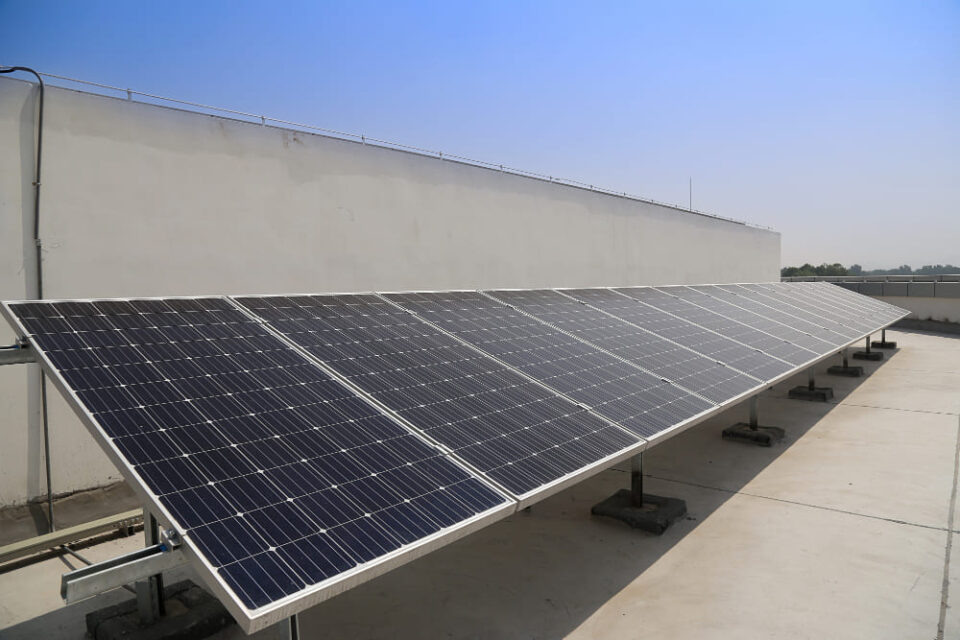
Commercial solar systems are solar power installations specifically designed for business and industrial properties. These systems use solar panels to capture sunlight and convert it into electricity that can power commercial operations.
Unlike residential solar systems, commercial installations are usually larger and capable of generating significant amounts of electricity to meet higher energy demands.
.jpg)
Main Components of Commercial Solar Systems
A commercial solar setup typically includes:
- Solar panels
- Inverters
- Mounting structures
- Monitoring systems
- Battery storage (optional)
These components work together to provide efficient and reliable renewable energy for businesses.
Benefits of Installing Commercial Solar Systems
Businesses are increasingly choosing commercial solar systems because of the numerous advantages they provide.
1. Significant Reduction in Electricity Costs
Electricity expenses can be a major operational cost for businesses. Commercial solar systems help companies generate their own electricity, reducing dependence on the grid.
By producing solar energy during daylight hours, businesses can lower monthly utility bills and achieve substantial savings over time.
2. Long-Term Financial Savings
Although the initial investment may seem high, commercial solar systems provide excellent long-term returns. Solar panels generally have a lifespan of 25 years or more, making them a valuable long-term asset.
Many businesses recover their investment within a few years through reduced energy costs.
3. Environmentally Friendly Energy Solution
Sustainability has become an important factor for modern businesses. Commercial solar systems help reduce greenhouse gas emissions and reliance on fossil fuels.
By switching to solar energy, companies demonstrate environmental responsibility and contribute to a cleaner future.
4. Increased Business Reputation
Customers and clients are increasingly supporting environmentally conscious companies. Businesses that invest in renewable energy often enjoy a stronger brand image and improved customer trust.
Using commercial solar systems can position a company as a forward-thinking and responsible organization.
5. Low Maintenance Requirements
Solar energy systems require minimal maintenance. Most solar panels are designed to withstand various weather conditions and continue operating efficiently for decades.
Regular cleaning and occasional inspections are usually enough to maintain optimal performance.
Industries That Benefit from Commercial Solar Systems
Many industries can benefit from solar energy solutions.
Retail Businesses
Retail stores consume significant electricity for lighting, air conditioning, and equipment. Commercial solar systems help reduce these operational expenses.
Manufacturing Facilities
Factories often operate heavy machinery that requires large amounts of power. Solar energy can offset energy consumption and lower production costs.
Warehouses and Distribution Centres
Large warehouse roofs provide ideal space for installing solar panels, making solar systems highly effective for logistics operations.
Hospitality Industry
Hotels, restaurants, and resorts can use solar power to reduce utility bills while promoting eco-friendly business practices.
How Commercial Solar Systems Improve Energy Independence?
Energy price fluctuations can impact business profitability. Commercial solar systems allow businesses to generate their own electricity and reduce dependency on utility providers.
Some businesses also install battery storage systems to store excess energy for use during peak hours or power outages.
This increased energy independence provides better operational stability and predictable energy costs.
Factors to Consider Before Installing Commercial Solar Systems
Before investing in solar energy, businesses should evaluate several important factors.
- Energy Consumption: Understanding current electricity usage helps determine the appropriate system size and expected savings.
- Roof Space and Location: Adequate roof space and sunlight exposure are essential for maximizing solar energy production.
- Budget and Financing Options: Businesses should explore available financing solutions, incentives, and tax benefits to reduce upfront installation costs.
- Choosing the Right Solar Provider: Working with an experienced solar company ensures proper system design, installation, and ongoing support.
The Future of Commercial Solar Systems
The future of solar energy looks extremely promising. Advancements in solar technology continue to improve efficiency and reduce installation costs.
Businesses are increasingly recognizing the value of renewable energy as part of their long-term growth strategy.
As energy demand rises and sustainability becomes more important, commercial solar systems will continue to play a major role in powering businesses worldwide.
Common Myths About Commercial Solar Systems
Despite growing popularity, some misconceptions about solar energy still exist.
Myth 1: Solar Systems Are Too Expensive
While installation requires investment, long-term savings often outweigh the initial cost.
Myth 2: Solar Panels Require Constant Maintenance
Commercial solar systems are generally low maintenance and highly durable.
Myth 3: Solar Energy Only Works in Hot Climates
Solar panels generate electricity from sunlight, not heat, meaning they can work effectively in many weather conditions.
.jpg)
Why Businesses Should Invest Now?
Delaying solar adoption may mean missing opportunities for energy savings and available incentives. As electricity costs continue rising, investing in commercial solar systems today can provide long-term financial and environmental benefits.
Businesses that act early can gain a competitive advantage while supporting sustainable energy practices.
Conclusion
Commercial solar systems are transforming the way businesses manage energy consumption. From reducing electricity bills to improving sustainability and increasing energy independence, solar power offers numerous advantages for modern businesses.
As technology continues to evolve, solar energy is becoming more affordable, efficient, and accessible than ever before. Investing in commercial solar systems is not only a smart financial decision but also a meaningful step toward a greener future.
Looking to reduce your business energy costs and improve sustainability? Invest in reliable commercial solar systems today and take the first step toward long-term energy savings and environmental responsibility.